Views: 0 Author: Site Editor Publish Time: 2026-11-24 Origin: Site


Are traditional reusable scopes inadvertently putting your most vulnerable patients at risk? In the high-stakes environment of modern pulmonology, hospital procurement teams face a critical dilemma. You must balance stringent patient safety mandates, uncompromising clinical performance, and increasingly tight budget constraints. For decades, the medical community relied heavily on durable, multi-use endoscopic equipment. However, persistent challenges have catalyzed a rapid industry shift. These hurdles range from astronomical repair costs and complex reprocessing bottlenecks to the undeniable threat of cross-contamination.
Today, the single use flexible bronchoscope has emerged as a disruptive, highly effective solution to these exact issues. By completely removing the shared device from the clinical equation, hospitals are rethinking how they manage airway interventions. In this comprehensive guide, we dive deep into a data-backed comparison of disposable versus reusable bronchoscopes. You will learn exactly how to evaluate the total cost of ownership, assess diagnostic safety, and ultimately make an informed purchasing decision that benefits both your clinicians and your patients.
Infection Control: Disposable bronchoscopes completely eliminate the risk of patient-to-patient cross-contamination associated with improper reprocessing and resilient biofilm buildup.
Cost Predictability: While reusable scopes demand steep capital investments and unpredictable ongoing maintenance fees, disposable alternatives offer a highly transparent, fixed per-procedure cost.
Workflow Efficiency: Single-use devices are always sterile and ready for immediate use. This makes them an invaluable asset for treating emergency airway obstructions in the intensive care unit and emergency room.
Performance Parity: Driven by rapid advancements in digital imaging, modern disposable scopes now rival the optical clarity and maneuverability of leading legacy reusable models.
Understanding the sweeping shift in respiratory care requires looking back at how endoscopic technology has evolved. To make strategic procurement decisions, hospital administrators must first establish clear baseline definitions of the tools at their disposal.
Historically, reusable bronchoscopes served as the undisputed gold standard in respiratory diagnostics. Engineers built these sophisticated devices with durable exterior materials, complex fiber-optic bundles, and intricate mechanical steering components. Physicians leaned on them heavily for both routine mucosal inspections and highly complex therapeutic interventions.
In contrast, the celebrated durability of these reusable scopes carries a massive operational burden. Sharing a single unit among dozens of patients means it must undergo rigorous, multi-step reprocessing protocols after every single use. Over time, repeated exposure to harsh chemical disinfectants causes internal components to degrade. This inevitable wear and tear manifests as a loss of tip flexibility, diminished optical clarity, and sudden equipment failures that necessitate expensive repairs.
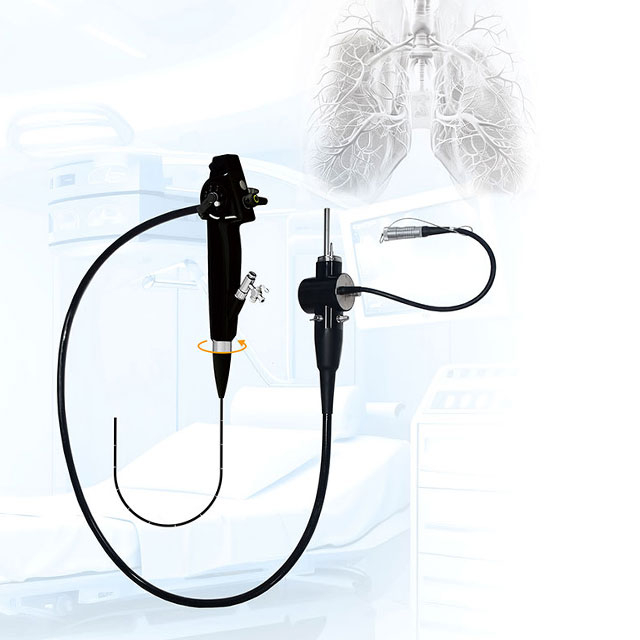
The introduction of disposable airway tools marked a profound paradigm shift. Instead of relying on fragile glass fiber-optic bundles that transmit light from a bulky external tower, modern disposable scopes utilize innovative chip-on-tip technology. Technological miniaturization allows visionary manufacturers to integrate tiny CMOS sensors and powerful LEDs directly at the distal end of the insertion tube.
Furthermore, this architectural innovation entirely eliminates the need for heavy camera heads and separate light sources. By leveraging advanced injection molding and scalable electronic production, the medical device industry successfully transformed the bronchoscope from a heavily depreciating capital asset into a reliable, high-definition consumable.
Recent global market analyses reveal a definitive pivot in respiratory care. Health authorities and regulatory bodies are increasingly scrutinizing the cross-contamination risks tied to complex endoscope reprocessing. Mounting clinical evidence linking improper sterilization to severe superbug outbreaks has prompted a tightening of regulatory guidelines. Consequently, ambulatory surgery centers and acute care hospitals are aggressively adopting disposable alternatives. This is not merely a temporary trend. It represents a fundamental restructuring of respiratory care standards, driven by a zero-tolerance policy for hospital-acquired infections.
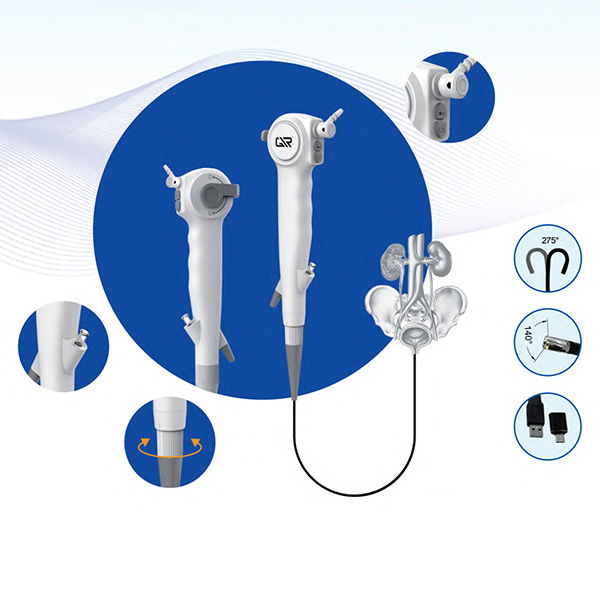
Patient safety remains the absolute highest priority for clinical directors globally. The inherent physical design of flexible endoscopes makes them notoriously difficult to clean. This reality has become the primary catalyst driving the transition toward disposable alternatives.
Reusable bronchoscopes feature long, remarkably narrow working channels and intricate elevator mechanisms. Even when sterile processing technicians strictly adhere to established reprocessing guidelines, microscopic organic debris can remain trapped inside these dark lumens. Specifically, this residual debris provides an ideal breeding ground for biofilms. These resilient bacterial colonies actively shield pathogens from high-level disinfection chemicals.
Documented transmissions of pathogens like Pseudomonas aeruginosa have forced health authorities to act. The complex internal anatomy of reusable scopes means that manual brushing and automated flushing are never entirely foolproof. This leaves immunocompromised patients unacceptably vulnerable.
The most absolute, effective method to eliminate cross-contamination is to remove the shared vector entirely. Opening a sterile, factory-sealed scope for every single patient guarantees a zero percent risk of patient-to-patient infection transfer.
Consequently, global health organizations increasingly advocate for the deployment of single-use devices. This is particularly crucial when treating high-risk populations or patients with highly contagious respiratory diseases. By utilizing a fresh device for every procedure, medical facilities successfully bypass the inherent human errors associated with manual cleaning.
For hospital supply chain managers, the financial implications of retiring legacy equipment require a deep dive into the total cost of ownership. This financial comparison extends far beyond merely looking at the sticker price of one device versus another.
Look beyond the initial purchase order. The true financial drain of a reusable fleet lies in the hidden operational costs. A single premium reusable video scope can easily cost tens of thousands of dollars. Moreover, a busy pulmonary department typically requires a large fleet of these devices to ensure clinical availability while others are tied up in the lengthy sterilization queue.
Hospitals are routinely forced to pay for exorbitant annual service contracts and highly unpredictable repair invoices. Scopes are frequently damaged by involuntary patient bites or mishandling during chaotic transport. In addition, the sheer cost of reprocessing is immense. Administrators must account for the hourly wages of dedicated sterile processing staff, the continuous procurement of enzymatic detergents, single-use personal protective equipment, and the costly maintenance of automated endoscope reprocessors.
Transitioning to disposable scopes fundamentally shifts a department's financial model from heavy capital expenses to highly predictable operational expenses. This strategic pivot provides hospital administrators with transparent, per-procedure billing.
With a single use flexible bronchoscope, there are no convoluted service contracts, no frustrating repair logistics, and zero reprocessing consumables to continually purchase. Once the physician completes the airway intervention, the scope is safely discarded. The financial transaction for that specific patient case is officially closed. This clarity empowers clinical directors to accurately calculate the exact cost of airway management per admission.
Cost Factor | Reusable Bronchoscope | Single-Use Bronchoscope |
|---|---|---|
Initial Investment | High Capital Expenditure | Low Operational Expenditure |
Reprocessing Labor | High Dedicated Staff Required | Zero |
Maintenance & Repairs | High Service Contracts & Damage Fees | Zero |
Cost Predictability | Low Highly Variable | High Fixed Per-Unit Cost |
Historically, veteran pulmonologists hesitated to adopt early-generation disposable scopes due to valid concerns regarding subpar optical clarity. However, aggressive technological advancements have largely eradicated this performance gap.
Modern digital single use flexible bronchoscopes now deliver stunning high-definition imaging that easily rivals traditional video towers. By utilizing advanced CMOS sensors, these modern tools transmit crisp, color-accurate visuals directly to compact monitors. Top-tier models routinely offer a 120-degree field of view, ensuring comprehensive airway visualization.
This enhanced clarity is more than sufficient for executing complex diagnostics and precisely guiding therapeutic biopsy tools. Unlike older reusable fiber-optic scopes that inevitably suffer from broken pixels caused by snapped glass fibers, a single-use scope guarantees a flawless image for every procedure.
Exceptional maneuverability is non-negotiable when navigating the tortuous pathways of the tracheobronchial tree. Reusable scopes naturally degrade. Their delicate internal steering wires stretch out, and the distal bending section gradually loses its snappy elasticity.
Because a disposable scope is brand new straight out of the package, it delivers optimal articulation every time. Physicians consistently experience robust suction capacity and maximum bending angles. High-quality single-use scopes effortlessly achieve 210 degrees of upward deflection and 130 degrees of downward deflection. This reliable consistency significantly bolsters procedural confidence.
In the fast-paced environment of an acute care hospital, operational efficiency dictates patient survival. Single-use technology fundamentally streamlines these critical clinical workflows.
Picture a severe hemoptysis case or a sudden mucus plug obstruction in the emergency room at 2 AM. Airway emergencies materialize without warning, demanding instant visual intervention. Waiting 45 minutes for the sterile processing department to release a reprocessed scope is simply not an option. Such delays can lead to catastrophic hypoxic brain injuries.
Disposable scopes provide the ultimate grab-and-go solution. A physician can instantly tear open a sterile package, plug the lightweight device into a bedside monitor, and secure the patient's airway within seconds. This unparalleled readiness stands as arguably the most profound operational advantage of disposable endoscopy.
The rigorous sterile processing of reusable endoscopes is an intensely labor-heavy workflow that routinely creates massive logistical bottlenecks. Contaminated endoscopes must be carefully sealed, transported across the hospital, manually scrubbed, leak-tested, and chemically flushed.
Adopting single-use scopes entirely liberates nursing staff from these arduous tasks. By stripping the reprocessing cycle out of the daily routine, hospital administrators can reallocate their highly trained workforce to direct patient care. Ultimately, this streamlined approach facilitates higher patient throughput and drastically faster room turnovers.
As respiratory medicine aggressively pivots toward highly precise, minimally invasive interventions, instrumentation must evolve. The fascinating intersection of disposable endoscopic technology and advanced medical robotics represents a massive leap forward in pulmonary oncology.
Robotic-assisted bronchoscopy is rapidly cementing itself as the gold standard for navigating deep into the peripheral lung. These sophisticated platforms rely entirely on the visual data fed back to the surgeon's console. When employing traditional reusable scopes, hospitals face optical degradation. Over time, lens scratching severely compromises the visual feed.
By purposefully integrating single-use components into robotic systems, clinical teams ensure that every biopsy begins with a pristine optical sensor. A sterile scope provides uncompromised image clarity, which is absolutely vital when maneuvering through incredibly narrow branches of the peripheral airways.
As modern healthcare facilities pledge to reduce their carbon footprints, the environmental impact of medical equipment has become a major purchasing consideration. The most frequent objection to adopting disposable endoscopy is the visible increase in plastic medical waste. However, a holistic environmental analysis reveals a much more nuanced reality.
It is an undeniable fact that a single-use device generates solid plastic waste. Nevertheless, the staggering environmental toll of traditional reusable scopes is frequently underestimated.
The sterilization of just one reusable bronchoscope is an intensely resource-heavy process. It requires massive water consumption, often upward of 40 gallons of highly purified water per cycle. It demands the daily use of toxic, environmentally damaging chemicals that require energy-intensive neutralization. Furthermore, automated endoscope reprocessors draw significant electrical power. To actively address solid waste, forward-thinking manufacturers are now pioneering innovative hospital recycling programs to safely repurpose medical-grade plastics.
Transitioning a hospital department from legacy reusable to modern disposable endoscopy is a major operational milestone. Procurement teams must carefully navigate a crowded market. Making an educated decision requires scrutinizing the technical specifications of the instrument.
Not all disposable bronchoscopes are engineered to the same exacting standards. To guarantee clinical efficacy, evaluate these critical specifications:
Imaging Technology: Demand advanced CMOS sensors that provide crisp illumination and a minimum 120-degree field of view.
Dimensional Specs: Look for an outer diameter slim enough to navigate inflamed airways, typically around 5.2mm, paired with a robust 2.2mm working channel for efficient suctioning of thick mucus plugs.
Articulation Limits: Ensure the scope delivers exceptional bending capabilities. The industry standard for high-performance units is 210 degrees up and 130 degrees down.
System Ecosystem: The scope must connect seamlessly to a high-definition, portable processing monitor.
Beyond the technical prowess of the scope itself, the operational reliability of the manufacturer is paramount. Hospitals must forge partnerships with suppliers that demonstrate ironclad supply chains and a cohesive ecosystem of digital endoscopic tools.
Procurement teams should actively seek out manufacturers that offer comprehensive solutions across multiple medical specialties. For example, evaluating a single use flexible bronchoscope alongside unified digital monitor platforms reveals how a shared ecosystem dramatically reduces overall hospital training time and redundant capital expenditure.
Choosing between single-use and reusable bronchoscopes requires careful, strategic thought. Hospital administrators must constantly balance the severe risks of infection, the necessity for rapid workflow speed, and the reality of total operational costs.
For the vast majority of routine diagnostics, emergency airway management, and intensive care procedures, the choice has become abundantly clear. A disposable scope stands as the superior option, providing unparalleled safety, immediate readiness, and financial predictability.
We highly encourage clinical directors and procurement teams to evaluate their facility's current true cost per procedure today. Explore the comprehensive digital endoscopy solutions at GEIWRE Medical to find the exact specifications that match your clinical needs, and seamlessly upgrade your department's airway management capabilities.
Yes. Recent advancements in CMOS camera technology and high-output LED lighting dictate that modern premium single-use scopes offer comparable image quality and maneuverability to standard reusable scopes. Because a disposable scope is brand new for every patient, physicians completely avoid the gradual degradation in optical clarity and mechanical flexibility that inevitably plagues reusable scopes over time.
While exact pricing varies based on volume-based hospital purchasing contracts, the transparent per-use cost of a disposable scope is frequently lower than the true per-use cost of a reusable scope. Accurately calculating the true cost of reusable devices requires factoring in steep initial capital depreciation, expensive annual service contracts, frequent damage repair fees, and the continuous costs of reprocessing labor, purified water, and chemical disinfectants.
Absolutely. Modern disposable scopes are explicitly engineered with integrated working channels suitable for a wide variety of therapeutic interventions. Clinicians routinely utilize them for the aggressive suctioning of thick secretions, performing bronchoalveolar lavage, assisting in difficult bedside percutaneous tracheostomies, and deploying standard endoscopic tools for tissue biopsies.
Disposable scopes entirely eliminate the frustrating wait times associated with sterile processing. In sudden emergency airway situations, physicians can simply tear open a sterile package, connect the scope to a portable bedside monitor, and perform the life-saving procedure instantly. This unmatched grab-and-go efficiency saves critical minutes when a patient's oxygenation is severely compromised.
It involves a complex environmental trade-off. While disposable scopes generate solid plastic waste, they simultaneously save thousands of gallons of clean water, significant electrical energy, and the highly toxic chemical disinfectants strictly required for the daily reprocessing of reusable scopes. Many forward-thinking medical manufacturers are now introducing specialized recycling initiatives to safely repurpose medical-grade plastics.
Yes, procedures performed using single-use bronchoscopes are generally billed under the same CPT codes as those performed with reusable scopes. Furthermore, the Centers for Medicare & Medicaid Services has previously introduced transitional pass-through payments for certain single-use endoscopes, recognizing their critical role in reducing hospital-acquired infections.
Setup is nearly instantaneous. Unlike traditional towers that require booting up separate light sources, camera processors, and white-balancing the scope, a disposable digital scope simply plugs into a dedicated portable monitor. A clinician can power on the monitor, unseal the scope, connect the cable, and begin navigating the airway in under 30 seconds.