


Views: 0 Author: Site Editor Publish Time: 2025-12-03 Origin: Site


You should pick an egd endoscope that shows clear pictures and works well. Knowing about egd and esophagogastroduodenoscopy helps you choose better when buying. The endoscope you pick changes how well you find problems and keep patients safe each time. Look at important signs to make sure care is good and the hospital runs smoothly.
Focus on image quality when picking an EGD endoscope. Clear pictures help find problems early and give better care.
Pick an endoscope made with strong materials. Tough parts lower the chance of breaks and help it work well.
Find endoscopes with easy-to-hold designs. Handles that fit well and simple controls help doctors work longer without getting tired.
Look for special imaging features. Things like narrow band imaging make it easier to see and spot problems.
Make sure the vendor gives good support. Fast service help your endoscope last longer.
Think about all costs, not just the price to buy. Add in money for fixing, cleaning, and training when you plan your budget.
Ask your team to help choose the endoscope. Get ideas from doctors, nurses, and cleaning staff to make a smart choice.
Follow all safety rules. Make sure the endoscope is safe and has the right approvals to keep patients safe.
Doctors use an egd endoscope to look inside the upper digestive system. EGD means esophagogastroduodenoscopy. This tool lets doctors see the esophagus, stomach, and part of the small intestine. The test is called an upper endoscopy. The egd endoscope is a thin, bendy tube. It has a camera and a light at the end. Doctors put it in through the mouth to check inside. Hospitals use this tool for many tests. It helps doctors find problems early. It also helps them choose the best treatment.
Doctors start by putting the endoscope into the patient’s mouth. The tube goes down the throat and into the upper digestive tract. The camera shows clear pictures on a screen. Doctors see the esophagus, stomach, and duodenum right away. This helps them find any problems or damage.
The egd endoscope does more than just look inside.
Doctors can take tissue samples for a biopsy.
They can remove polyps or stop bleeding.
They can check for diseases like celiac disease or cancer.
The egd endoscope gives a clear view. It helps doctors act fast if they see a problem.
Doctors use egd in many hospital cases. The test helps solve different digestive problems. Here is a table that shows common uses:
Application | Description |
|---|---|
Acid Reflux | Doctors find and treat acid reflux. |
Stomach Ulcers | They find and help with stomach ulcers. |
Celiac Disease | They check for celiac disease with biopsies. |
Other Digestive Issues | They help with other digestive problems. |
Doctors use egd to find and treat problems. The egd endoscope makes these jobs safer and more exact. It helps doctors give better care to patients in the hospital.
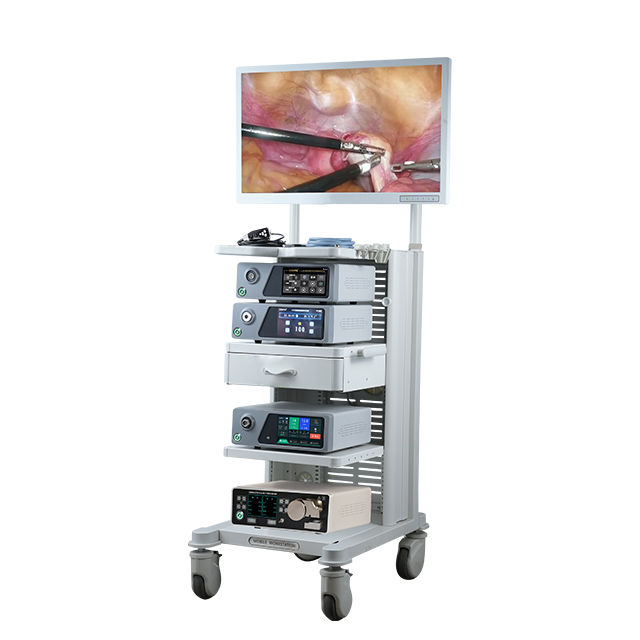
When picking an egd endoscope, focus on how clear the images are. High resolution helps you see tiny things in the esophagus, stomach, and duodenum. This makes it easier to find early signs of sickness. Clear pictures help you spot lesions or odd tissue before they get worse. In esophagogastroduodenoscopy, good images help you make the best choices for your patients.
Better resolution means you find more problems.
Q-endoscopy finds more lesions (34.4%) than H-endoscopy (30.2%) or HQ-endoscopy (29.6%).
Q-endoscopy also finds more raised lesions (25.7%) than H-endoscopy (21.0%) or HQ-endoscopy (22.9%).
For sunken lesions, Q-endoscopy finds more (6.6%) than H-endoscopy (6.2%) or HQ-endoscopy (3.6%).
HQ-endoscopy is best for shallow lesions (3.0%) compared to Q-endoscopy (1.8%) and H-endoscopy (2.8%).
Check if the endoscope can take and save clear pictures of key spots. Look for systems that help you record the duodenal ampulla and inlet patch. Good photodocumentation shows you checked everything. Clear endoscopy reports help you share what you found with your team and make each test better.
Quality Indicator | Description |
|---|---|
Photodocumentation of anatomical landmarks | Needed to show you checked everything; includes recording the duodenal ampulla and inlet patch. |
Accurate endoscopy reports | Helps your team talk and work better in EGD procedures. |
Systematic mapping and observation time | Makes tests more alike and helps find upper GI neoplasia early. |
The light source in your endoscope changes what you see. LED lights use less power than Xenon. LED systems last over 10,000 hours and stay bright. Xenon bulbs get dim after only 50 hours. LED systems are also better for the earth because they lower CO2.
A strong, steady light helps you see the stomach and esophagus lining clearly. This lets you spot small changes or early sickness. You can use LED systems longer since you do not need to change bulbs often.
Color accuracy is very important in egd. Linked color imaging (LCI) helps you see color changes between normal and odd tissue. This makes it easier to find mucosal changes before they get worse. You can spot swelling or early cancer signs sooner. Good color accuracy in your endoscope helps you care for patients and makes each test better.
You want your egd endoscope to last a long time. Strong materials help it stay safe from damage. Stainless steel and medical-grade polymers protect the tube. These materials keep the camera and light safe. They work well during each test. Tough materials lower the chance of cracks or leaks. You can trust your endoscope for every upper endoscopy.
Sterilization keeps patients safe from germs. Your endoscope should handle high heat and strong cleaners. Some endoscopes have smooth surfaces. Germs do not stick to these surfaces. You can clean these models faster and easier. Hospitals use automated washers for egd. If your endoscope resists cleaning damage, you worry less about repairs.
Tip: Always check if the endoscope meets hospital cleaning rules before you buy.
You save time if your endoscope is easy to clean. Look for models with simple channels and fewer parts. You can flush out debris quickly. Some endoscopes have tips you can remove. You clean these parts by themselves. This helps you keep your equipment ready for every test.
Regular service keeps your egd endoscope working well. Makers suggest service times based on use. If you follow these times, you avoid sudden breakdowns. You should ask sellers about service plans and support.
Some brands remind you about maintenance.
Others give quick access to spare parts.
A longer warranty helps you plan for the future. You spend less on repairs and replacements. You keep your egd endoscope ready for every test. When you choose a model with a strong warranty and proven lifespan, you protect your hospital’s money and help patients more.
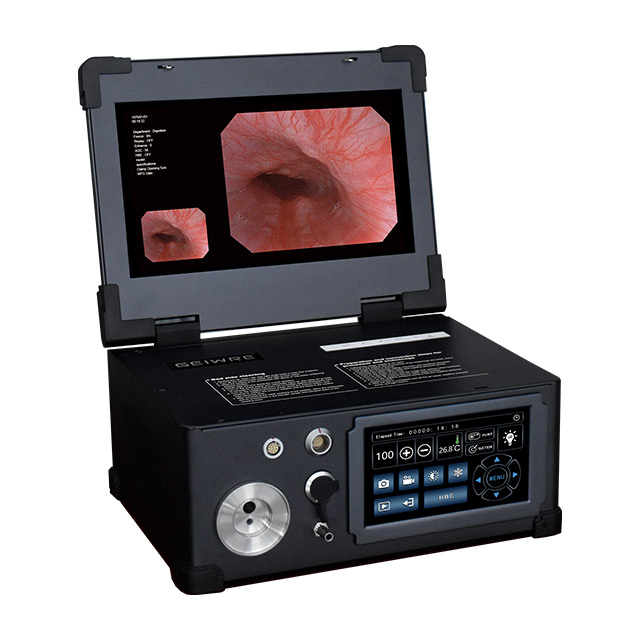
You need a handle that feels nice to hold. An egd endoscope with a comfy handle helps you work longer. It spreads pressure so your hand does not hurt. Your fingers and palm feel less tired. This makes it easier to focus on your job. A good handle shape helps you move the endoscope smoothly.
Getting tired can slow you down. Handles with special shapes help your hand work less. You use less energy to move the endoscope. This helps you finish faster and do a better job. When you are less tired, you make fewer mistakes. Hospitals can help more patients in less time.
Tip: Try out different handle shapes before you pick one. Ask your team which handle feels best for long tests.
You want controls that are easy to understand. Some endoscopes, like the Dual-Continuum Endoscope, have simple controls. You can move the tip with little effort. The controls match your hand moves to the endoscope tip. This makes it easy to guide the endoscope. You do not need to remember many steps. You feel in control right away.
Simple controls help you work faster.
A smaller tip movement makes steering easier.
Mechanical links between controls and tip help you use it better.
Easy controls help new staff learn quickly. You can show them how to use the egd endoscope fast. Clear controls stop confusion. Your team learns faster and feels sure of themselves. You spend less time teaching and more time helping patients.
You need an endoscope that is light and bends easily. A lighter tool is easier to hold and move. Flexible endoscopes bend to fit the stomach and esophagus. You can guide the endoscope without hurting the patient. Flexible designs lower the chance of painful loops. New models can change how stiff they are to make tests safer. Super-flexible endoscopes help you avoid sedation and keep patients comfy.
Flexible endoscopes are easier to move.
They stop painful loops and help patients feel better.
New designs lower pain and mean less need for sedation.
A good mix of weight and flexibility helps you do tests well. You keep your hands safe and help your patients too.
Modern egd endoscopes have features that help you see more. These features show more details inside the stomach and upper digestive tract. You can find problems early and help patients better. Advanced imaging lets you spot small changes in tissue. These changes might mean there is a disease.
Narrow band imaging uses special light to show blood vessels. It also shows patterns in the stomach lining. You can see more detail in these areas. This helps you find spots that look strange. Doctors use this to find early signs of cancer or swelling.
Autofluorescence helps you see changes in tissue color. You can find places that look different from normal tissue. This helps you know if you need to take a biopsy or do more tests. Autofluorescence makes it easier to find hidden problems during an egd.
Here is a table that shows how imaging enhancements help doctors find problems:
Imaging Enhancement Technique | Improvement in Diagnostic Outcomes |
|---|---|
Helps you see the mucosa better and find small lesions. | |
Narrow-band imaging | Makes it easier to see mucosal problems and tiny blood vessels. |
Digital chromoendoscopy | Helps you find and study mucosal lesions. |
Endoscopic ultrasound | Lets you look at deeper layers, which helps find and stage cancers. |
Confocal laser endomicroscopy | Helps find cancer early and makes diagnosis better for Barrett’s esophagus. |
Optical coherence tomography | Gives better mucosal images and helps find cancer early. |
AI technologies (CADe and CADx) | Helps you find and diagnose lesions, making tests more accurate and faster. |
You need an egd endoscope that connects well with hospital systems. Good connections help you share images and reports with your team. You save time and make fewer mistakes when you send data right to electronic records.
Endoscopes with HL7 and DICOM work well with hospital software. HL7 lets you share patient data. DICOM helps you manage and share pictures. You can link your endoscope to patient records and test results.
Network connections help you share information with other hospitals.
Connections with EMR and pathology databases help doctors talk to each other.
Automatic data transfer from monitors to records helps you track vital signs during each test.
You can export images and reports for review or teaching. This helps you learn from each case and do better next time. Data export makes it easy to send information to other hospitals or doctors.
Your egd endoscope should work with many tools. These tools help you do more during each test. You can use forceps to take tissue samples or snares to remove polyps. Electrosurgical tools help you stop bleeding.
Accessory Type | Description | Procedural Enhancement |
|---|---|---|
Instrument Channel Accessories | Biopsy forceps, snares, and graspers | Take tissue, remove lesions, or get out foreign objects |
Electrosurgical Instruments | Electrosurgical knives and clip appliers | Cut tissue and stop bleeding |
Additional Accessories | Water jets and temperature control modules | Wash the area and keep good conditions |
Caps on the end of the endoscope are very helpful for finding and treating stomach problems. The endoscopic hood lifts a flap after cutting, so you can see better and work on the tissue below.
You can also use single-use valves to control air and water. This keeps patients safe. Hybrid tubing and connectors help you clean and work faster. Picking an endoscope that works with many accessories helps you treat many stomach and digestive problems.
You need good vendor support to keep your egd equipment working. Good vendors help you fix problems fast. They give tips for issues like blurry images or broken parts. You can call them if your endoscope does not work right. Many vendors teach your staff how to care for the equipment. This training helps your team fix small problems early. You should pick vendors who give easy guides and quick help. Vendors with good plans help you avoid breakdowns and keep your equipment ready.
Tip: Ask vendors if they give training at your hospital and answer support calls quickly.
Here is a checklist for vendor support:
Does the vendor give guides to fix problems?
Can you call or email support easily?
Do they train your staff?
Are tips for maintenance included?
How fast do they answer service requests?
You should look at all costs before you buy an egd system. The price of the endoscope is just one part. You also pay for video towers, cleaning machines, and other tools. Cleaning costs include supplies and staff time. Repairs and maintenance add more costs. You must think about the risk of cross-contamination, which can cost more if patients get sick. Training staff and following safety rules also cost money. Moving scopes for cleaning is another cost.
Cost Component | Description |
|---|---|
Capital Equipment | Includes endoscopes, video towers, cleaning equipment, and other tools. |
Reprocessing | Needs many steps with lots of supplies and labor costs. |
Repair and Maintenance | Costs for fixing and keeping endoscopes and cleaning equipment working. |
Cross-Contamination | Risks and costs if patients get infections from bad cleaning. |
Additional Factors | Training staff, safety programs, and moving scopes for cleaning. |
Tip: Make a list of all costs and compare vendors. This helps you pick the best value for your hospital.
You need a simple checklist when you look at new endoscopes. This helps you find problems early and make good choices. First, check the image quality. See if the pictures are clear and bright. Look for dead pixels or flickering on the screen. Make sure the brightness is even in all images.
Next, test how the tip moves. Move it in every direction and listen for grinding sounds. Smooth movement means you can control it better. Check if the insertion tube bends easily. Bend it gently and see if it feels stiff or has kinks. A flexible tube helps you reach all areas safely.
Look at the outside for damage. Check connectors, cords, and the control body. Damage here can cause problems when you use it. Always do leak tests. Use dry and wet tests to make sure water cannot get inside. This keeps your equipment safe for every egd procedure.
Image quality: clear pictures, dead pixels, flickering, even brightness
Angulation system: tip moves in all directions, grinding sounds
Flexibility of insertion tube: bends easily, no stiffness, no kinks
Exterior wear and tear: check connectors, cords, control body
Leak testing: dry and wet tests for water-tight safety
Tip: Use this checklist before you buy or accept any new endoscope. It helps you avoid expensive mistakes.
You should always test new endoscopes before buying them. Product trials let you see how the device works in real hospital cases. Ask your team to use the endoscope on test patients. Watch if it is easy to handle and clean. Notice if the controls feel simple and if the images help doctors find problems fast.
During trials, ask staff for their thoughts. Nurses, doctors, and cleaning teams can find issues you might miss. Write down what works well and what needs fixing. Product trials help you pick equipment that fits your hospital’s needs.
Try the endoscope in real cases
Get feedback from all staff
Check handling, cleaning, and image quality
Visiting other hospitals gives you helpful ideas. You can see how high-performance endoscopes work every day. Ask staff about their experiences and see how they track performance. Many public hospital endoscopy centers do not always record quality numbers. You may see big differences in how centers use their equipment.
Here is a table with key insights from reference visits:
Key Insights | Details |
|---|---|
Performance Tracking | Many centers do not track or record performance and quality numbers. |
Variability in Practices | Practices are very different between hospitals. |
Need for Guidelines | Hospitals need clear rules for measuring quality and performance. |
You can also learn about patient care by looking at how often hospitals check for Barrett’s esophagus. Some hospitals do regular checks, but others do not. Facility size and academic links can change how often patients get surveillance egd.
Key Findings | Details |
|---|---|
Surveillance EGD Utilization | Less than half of patients got surveillance egd over 3.8 years. |
Regular vs. Irregular | 23% had regular, 27% had irregular, and 50% had no checks. |
Predictive Factors | Younger, healthier patients with severe GERD got more checks. |
Variations Across Facilities | Surveillance rates change by facility size and academic ties. |
Note: Reference visits help you learn from others and make your own hospital better.
Many people help pick a new endoscope for your hospital. Each group thinks about different things. Doctors and nurses use the endoscope every day. Cleaning staff know how hard or easy it is to clean. Hospital managers care about cost and if it works with other tools.
You can have meetings or send out surveys to get ideas. Ask each group what is most important to them. Doctors might want clearer pictures. Nurses may want controls that are easy to use. Cleaning staff may want parts that are simple to wash. Managers may care most about price and help from the company.
Here is an easy way to sort feedback:
Stakeholder Group | What They Care About | How to Involve Them |
|---|---|---|
Doctors | Image quality, advanced features | Product trials, surveys |
Nurses | Handle comfort, easy controls | Hands-on demos, feedback |
Cleaning Staff | Cleaning steps, durability | Cleaning tests, interviews |
Managers | Cost, warranty, vendor support | Cost analysis, meetings |
Tip: If you listen to everyone, you make a better choice. Your team will feel important and ready to use the new endoscope.
You must follow strict rules when buying medical devices. These rules keep patients safe and help your hospital avoid trouble. In the United States, you must meet rules from groups like CMS and ASGE.
The Centers for Medicare and Medicaid Services (CMS) now treats GI endoscopy rooms like sterile operating rooms. This means GI endoscopy units must follow the same rules as operating rooms. The ASGE gives advice about staff, sedation, infection control, and cleaning. This document helps endoscopy units know how to be safe and what to do first.
You should check if the endoscope meets all local and national rules. Look for FDA approval in the United States. In Europe, check for CE marking. Your egd endoscope must also follow hospital rules for cleaning and stopping infection.
Use this checklist to help you follow the rules:
Make sure it has FDA or CE approval
Read CMS and ASGE rules
Check hospital cleaning and safety rules
Keep records of staff training and equipment checks
Note: Following these rules keeps your patients and hospital safe. It also helps you pass checks and keeps your hospital’s good name.
You can pick a high-performance EGD endoscope by looking at five things. Check image quality, durability, ergonomics, advanced features, and service support. Work with your team to make smart choices. Use checklists to help you decide. Try product demos to see which model works best. Follow these steps to help your hospital get ready for the future:
Step | Description |
|---|---|
1 | Teach doctors and staff with special programs. |
2 | Work with companies to lower emissions together. |
3 | Give money rewards for eco-friendly projects. |
4 | Ask science groups to make green endoscopy rules. |
5 | Check often to make sure green rules are followed. |
6 | Support research and teaching about green endoscopy. |
7 | Control how much educational events hurt the environment. |
Make good choices so your hospital can give safer and greener care.
EGD means esophagogastroduodenoscopy. Doctors use this test to look inside the esophagus, stomach, and duodenum. They use a special endoscope for the test.
Look at sample pictures from the endoscope. Make sure the images are clear and colors are bright. Check that there are no dead pixels. Ask for a demo to see how the endoscope works.
A warranty helps you avoid paying for repairs. If your endoscope breaks, you get help. Longer warranties mean you can trust the endoscope to last longer.
You can use biopsy forceps, snares, and electrosurgical tools. These tools help you take tissue samples, remove polyps, and stop bleeding during tests.
Follow your hospital’s cleaning rules. Use automated washers if you have them. Clean all channels and surfaces to keep patients safe from germs.
Look for high-definition imaging and narrow band imaging. Easy data export is also important. These features help you find problems early and share results with others.
Ask doctors, nurses, and cleaning staff for their ideas. Hold meetings or send out surveys. Everyone’s feedback helps you pick the best endoscope for your hospital.
Check for FDA or CE approval before you buy. Follow CMS and ASGE guidelines. Make sure your endoscope meets hospital safety and cleaning standards.


