Views: 0 Author: Site Editor Publish Time: 2025-11-11 Origin: Site


Ear, Nose, and Throat (ENT) specialists are experts in diagnosing and treating conditions that affect the head and neck, including the ears, nose, throat, sinuses, and voice box. One of the most important tools used by ENT professionals is the rhinolaryngoscope, a medical instrument designed to help doctors view the nasal passages, throat, and larynx (voice box). The flexible rhinolaryngoscope, in particular, has become an essential tool in modern ENT procedures, offering numerous advantages over its rigid counterpart and other diagnostic tools.
In this article, we will explore what a flexible rhinolaryngoscope is, how it works, and the various benefits it offers to both medical professionals and patients. We’ll also examine how this versatile tool is used in ENT procedures and discuss its role in improving diagnostic accuracy, enhancing patient comfort, and streamlining medical practices.
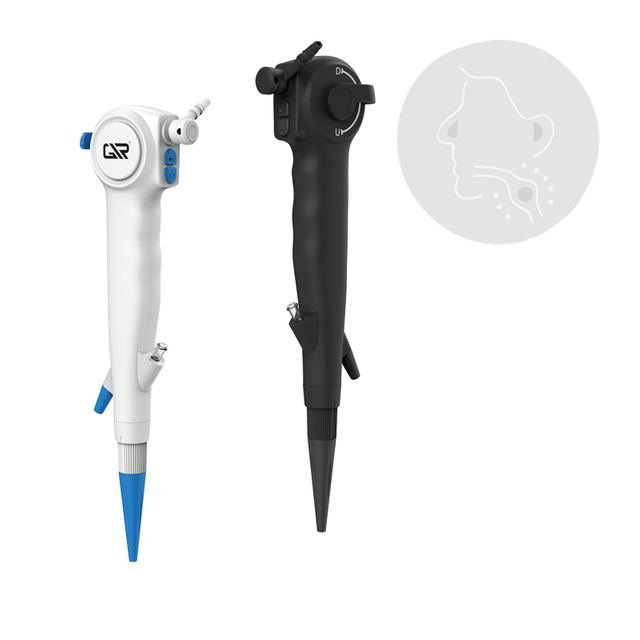
A flexible rhinolaryngoscope is a medical device used to examine the nasal passages, throat, larynx (voice box), and sometimes the upper airway. Unlike rigid scopes, which are fixed in position, the flexible rhinolaryngoscope has a bendable, thin tube that can be maneuvered through the nasal passages and other hard-to-reach areas. It is equipped with a light source and a camera at the tip, which allows the doctor to view the internal structures on a screen in real time.
The flexible rhinolaryngoscope consists of a flexible fiber-optic bundle that transmits light and captures images. It also features a light source at the tip of the scope to illuminate the area being examined. This device is often connected to a monitor or video camera, providing a clear and magnified view of the patient's nasal and throat regions.
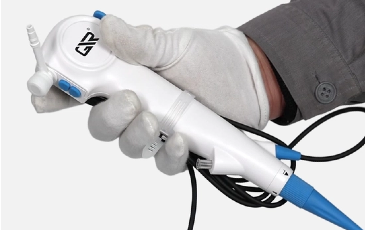
The flexible rhinolaryngoscope is designed for use in both diagnostic and therapeutic procedures. To use the device, the ENT specialist inserts the flexible tube through the patient’s nostrils or mouth, depending on the area of examination. The flexible design allows the device to navigate the curves of the nasal cavity, throat, and larynx with ease. As the doctor carefully moves the scope, the camera at the end transmits live video images to a monitor, enabling the doctor to view and assess the patient's condition.
In addition to visualization, flexible rhinolaryngoscopes can sometimes be used to perform certain medical procedures. For instance, doctors may take biopsy samples, remove small growths, or clear obstructions using specialized tools that can be passed through the flexible scope. This makes it a multi-purpose instrument that plays a crucial role in both diagnosis and treatment.
Flexible rhinolaryngoscopes have gained popularity in ENT practices due to their numerous advantages over traditional rigid scopes and other diagnostic tools. Below are some of the key benefits:
One of the standout benefits of the flexible rhinolaryngoscope is its ability to improve patient comfort during diagnostic and therapeutic procedures. Traditional rigid scopes can be invasive and uncomfortable, as they require a more forceful insertion into the nasal or throat area. In contrast, the flexible design of the rhinolaryngoscope allows it to be gently maneuvered into place without causing unnecessary discomfort or trauma.
The smaller diameter and bendable tube of the flexible rhinolaryngoscope make it less intrusive and easier to navigate, resulting in a more comfortable experience for the patient. For example, during a nasal exam, the doctor can maneuver the flexible scope through the nose more smoothly, reducing the risk of pain or injury. Patients are less likely to experience discomfort or gag reflex when the flexible scope is used for throat examinations, especially when compared to rigid scopes.
Additionally, the procedure is typically quick and minimally invasive, reducing the need for longer recovery times. Patients are often able to resume normal activities immediately following the procedure, making it an ideal option for outpatient care.
Flexible rhinolaryngoscopes are equipped with advanced camera systems that provide high-definition images of the nasal and throat areas. This technology enables ENT specialists to identify even the smallest abnormalities, such as polyps, tumors, or inflammation, that might otherwise be missed using manual examination or rigid scopes.
Unlike rigid scopes, which can only be positioned in a limited number of angles, the flexible nature of the rhinolaryngoscope allows the physician to adjust the angle of the scope to gain a comprehensive view of the entire area of interest. This flexibility is particularly important when examining complex regions, such as the back of the throat, the sinuses, or the larynx.
Furthermore, modern flexible rhinolaryngoscopes often include high-powered LED lighting that ensures clear visibility of the interior of the nose and throat, even in low-light conditions. This enhanced lighting helps the physician detect conditions like nasal polyps, chronic rhinosinusitis, laryngitis, and tumors, which may not be immediately obvious during a standard physical exam.
The ability to view detailed, real-time images of the internal structures allows ENT specialists to make more accurate diagnoses and create more effective treatment plans for their patients.
Unlike traditional diagnostic methods that may require invasive surgical procedures or incisions, a flexible rhinolaryngoscope provides a minimally invasive alternative. The procedure can be performed in a doctor’s office or outpatient setting without the need for general anesthesia. Local anesthetics may be used to numb the area, ensuring that the patient remains comfortable throughout the procedure.
The non-invasive nature of flexible rhinolaryngoscopy also means that it has a shorter recovery time compared to traditional surgical methods. In many cases, patients can go home the same day and resume their normal activities with little downtime.
Moreover, the flexibility of the device allows ENT specialists to perform diagnostic and therapeutic procedures during the same visit. For instance, the doctor can use the scope to take a biopsy, remove small polyps, or drain a sinus infection, all while observing the procedure in real time.
The flexible rhinolaryngoscope is a highly versatile tool that can be used in a variety of ENT procedures. Some common applications include:
Examination of the Nasal Passages and Sinuses: It is ideal for inspecting the nasal cavities, detecting sinus blockages, polyps, or other abnormalities, and assessing the extent of conditions such as sinusitis.
Examination of the Throat and Larynx: Flexible scopes are commonly used to examine the larynx (voice box) and throat, particularly in cases of chronic hoarseness, throat pain, or suspected laryngeal cancer.
Biopsy and Tissue Sampling: Flexible scopes are often used to collect tissue samples for biopsy from areas that are difficult to reach with rigid scopes. This can help in diagnosing conditions such as cancer, infections, or inflammatory diseases.
Foreign Object Removal: The flexibility and maneuverability of the device make it ideal for removing foreign objects lodged in the nose or throat, particularly in pediatric patients.
Post-Surgical Follow-Up: ENT specialists may use flexible rhinolaryngoscopes to monitor patients after surgery, ensuring that healing is progressing as expected and detecting any complications early on.
The design of the flexible rhinolaryngoscope minimizes the risk of injury or complications compared to rigid scopes. Rigid scopes often require more forceful insertion, which can cause discomfort, bleeding, or damage to delicate tissues in the nasal passages or throat. Because the flexible rhinolaryngoscope is more gentle, it reduces the likelihood of trauma or injury to the patient during the procedure.
Additionally, the real-time imaging provided by the flexible scope allows ENT specialists to avoid critical structures, ensuring that the procedure is both safe and effective. The clear view provided by the scope also helps doctors make precise movements, which reduces the chances of complications arising during diagnostic or therapeutic procedures.
While the initial cost of a flexible rhinolaryngoscope may be higher compared to rigid scopes, it can ultimately prove to be more cost-effective in the long run. Its versatility in diagnostic and therapeutic applications allows ENT specialists to perform multiple procedures using a single tool. This eliminates the need for separate instruments or costly surgeries, which can result in reduced healthcare costs for both patients and providers.
Moreover, the use of flexible rhinolaryngoscopes can reduce the need for hospitalization, anesthesia, or other expensive procedures, making it an affordable option for routine exams and minor treatments.
The flexible rhinolaryngoscope has become an indispensable tool for ENT specialists, offering numerous advantages in both diagnosis and treatment. Its flexibility, improved patient comfort, superior visualization, and ability to perform a variety of procedures make it an ideal choice for modern ENT practices. Whether it’s used for routine check-ups, diagnostic imaging, or minor surgeries, the flexible rhinolaryngoscope enhances the quality of care and provides patients with a quicker, more comfortable experience.
For patients, this means better outcomes, less discomfort, and faster recovery times. For healthcare providers, it translates into more accurate diagnoses, efficient procedures, and cost-effective solutions. In short, the flexible rhinolaryngoscope is revolutionizing the way ENT specialists care for their patients, offering a valuable tool that improves the overall experience for everyone involved.