


Views: 0 Author: Site Editor Publish Time: 2026-06-15 Origin: Site


ENT procurement carries exceptionally high stakes today. Navigating narrow cavities and delicate anatomical structures requires zero-latency visualization. Surgeons demand high-fidelity images for safe interventions. Because of this, selecting the right HD endoscope camera system becomes a critical clinical decision. Market trends aggressively push clinics toward 4K resolutions. However, a true 1080p HD medical imaging system often delivers the optimal balance. It provides exceptional diagnostic clarity. It ensures seamless infrastructure compatibility. Furthermore, it protects practice budgets effectively. This remains especially true for most ENT practices and ambulatory surgery centers (ASCs).
This guide serves as an objective framework. Procurement teams and clinical directors will find it highly useful. You will learn how to evaluate hardware performance thoroughly. We explore software capabilities and vendor reliability deeply. We aim to equip you before you ever request a demo. You can make informed purchasing decisions easily.
Sensor technology dictates baseline quality: Evaluate CMOS vs. CCD sensors based on light sensitivity, color reproduction, and specific ENT use cases (e.g., rigid vs. flexible scoping).
Interoperability drives true ROI: An HD endoscope camera system must integrate seamlessly with existing cold light sources, monitors, and image management software to avoid cascading upgrade costs.
Ergonomics and durability matter: Camera head weight, button programmability, and sterilization resilience directly impact daily surgical workflow and total cost of ownership.
Compliance is non-negotiable: Global certifications (ISO, FDA, CE) and transparent warranty terms are primary indicators of long-term vendor reliability.
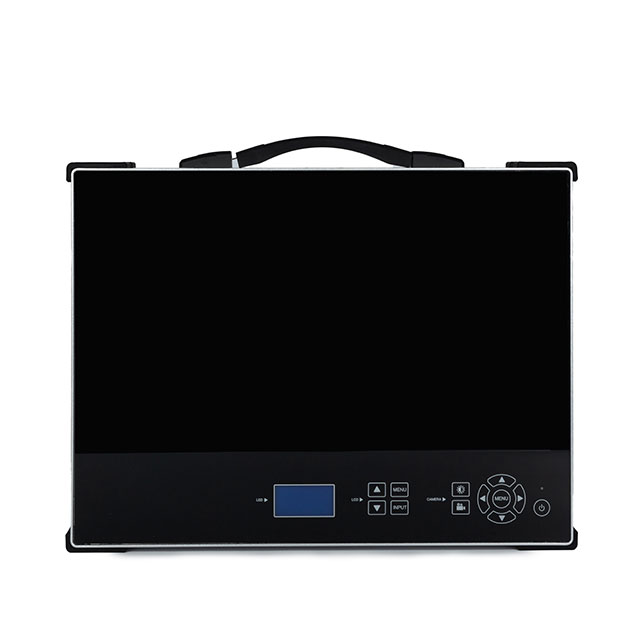
Legacy standard-definition systems limit modern surgical precision severely. Poor tissue differentiation causes dangerous blind spots. Standard-definition cameras produce grainy outputs constantly. They obscure vital anatomical landmarks. Deep nasal passages hide subtle micro-lesions easily. Blurry displays force surgeons into uncomfortable postures. They lean closer to screens repeatedly. Eye fatigue builds rapidly over a long surgical schedule. Upgrading an entire operating room suite requires massive capital expenditure. Clinics desperately need a reliable middle ground.
Excellent 1080p equipment solves these complex challenges directly. It upgrades visualization without requiring full network replacements. An upgraded high-definition feed eliminates dangerous blind spots. It illuminates dark cavities brilliantly. It provides razor-sharp edges around delicate tissues. It enables safer, faster interventions overall.
We must define clear success criteria before purchasing new equipment. Clinical directors should evaluate performance across three vital pillars.
Clinical Excellence: You need improved detection of tiny micro-lesions. Deep cavities require intense clarity. Sinus surgeries demand flawless illumination for safe navigation.
Operational Efficiency: Better equipment reduces overall procedure times significantly. Clearer visual feedback lets surgeons work much faster. Reliable hardware prevents frustrating mid-surgery delays.
Financial Prudence: You must maximize the lifespan of your capital investments. Avoiding immediate upgrades to expensive 4K monitors saves money. Utilizing existing server storage protects annual budgets effectively.
Sensor architecture defines the foundation of any camera. Modern clinics strongly prefer CMOS sensors today. They offer exceptional cost-efficiency and rapid data processing. Historically, CCD sensors dominated global shutter performance. They captured fast-moving objects flawlessly. Today, advanced CMOS technology bridges this gap completely. It delivers crisp images at lower manufacturing costs.
Frame rate impacts surgical safety directly. You need at least 60 frames per second (fps). Intricate ENT procedures demand zero-lag hand-eye coordination. Thirty frames per second causes noticeable lag. Instruments seem to jump across the screen unpredictably. Sixty frames per second eliminates this dangerous latency completely. The fluid motion replicates natural human vision perfectly. High frame rates ensure fluid instrument tracking.
Digital image enhancement relies on powerful software algorithms. Camera Control Unit (CCU) software must perform flawlessly under pressure. Auto-white balance keeps tissue colors highly realistic. Anti-moiré filters remain absolutely crucial for flexible fiber-optic scopes. Moiré filters analyze pixel grids actively. They blur harsh fiber-optic lines gently. This creates a smooth, continuous image instantly. Surgeons rely on this clarity during complex vocal cord examinations. Accurate color reproduction differentiates healthy pink tissue from inflamed red mucosa. Excellent software tuning highlights these subtle gradients automatically.
Sensor Type | Processing Speed | Power Consumption | Ideal ENT Application |
|---|---|---|---|
CMOS | Extremely Fast | Low | Standard Diagnostics & FESS |
CCD | Moderate | High | Legacy High-Fidelity Capture |
Interoperability determines the true value of your purchase. Assess standard C-mount couplers carefully. The system must adapt perfectly to rigid endoscopes. Standard sinus or otoscopes require seamless physical attachment. Flexible nasopharyngoscopes must also connect without complicated adapters. Universal couplers save valuable preparation time between patient cases.
Illumination and monitor synchronization require strict attention. Check compatibility against your existing LED cold light sources. Xenon light systems must also integrate smoothly. Connecting a true HD endoscope camera system to an outdated monitor causes problems. You will experience frustrating upscaling artifacts immediately. Visual noise increases rapidly in dark cavities. Ensure resolution matching across your entire video chain.
Data capture workflows affect daily operational efficiency. Review native recording capabilities before signing any contract. Dedicated USB ports offer immediate local access. Fast USB 3.0 ports allow rapid surgical video transfers. Doctors share these high-quality recordings during patient consultations. They use them for resident training programs frequently. Internal storage provides essential backup redundancy. You must export DICOM-compliant files easily. DICOM compliance ensures seamless hospital integration. It attaches patient metadata directly to captured images. This prevents dangerous mix-ups in medical records. Clunky export systems waste valuable nursing hours daily. Streamlined data workflows keep the entire department running smoothly.
Physical equipment design impacts surgical stamina heavily. Weight and grip dimensions matter immensely during long days. A heavy camera head increases surgeon fatigue predictably. Prolonged functional endoscopic sinus surgeries (FESS) require lightweight ergonomics. Smooth, slippery camera heads invite accidental drops. Textured silicone grips provide superior retention in wet environments. Excellent weight distribution reduces wrist strain tremendously. The camera should feel like a natural extension of the surgeon's hand. Heavy, unbalanced units disrupt precise motor control over time.
Programmable controls streamline complex surgical workflows entirely. You need customizable buttons directly on the camera head. Surgical gloves reduce tactile sensitivity significantly. Programmable buttons must offer distinct physical clicks. Surgeons need positive feedback when pressing controls blindly. Surgeons should capture vital images instantly. They must record high-definition videos quickly. Triggering white balance without breaking focus remains essential. This localized control maintains strict sterile boundaries. It reduces constant verbal commands to busy OR staff.
Cable flexibility ensures comfortable surgical navigation. Camera cables endure significant abuse daily. Evaluate their outer jacket materials carefully. Excellent maneuverability keeps surgeons comfortable during awkward angles. Strong resistance prevents internal wire fractures over time. Stiff cables pull unnecessarily on the surgeon’s wrist.
Sterilization realities dictate equipment lifespan significantly. Compare IPX8 waterproof ratings across different brands carefully. The system must tolerate aggressive daily sterilization methods. Autoclave processes expose equipment to intense heat. STERRAD and Cidex soaking utilize harsh chemical agents. Sapphire glass windows protect sensitive optical components. They resist aggressive scratching during intense cleaning cycles. Specialized polymer coatings repel harsh chemical disinfectants effectively.
Sensor degradation happens slowly over thousands of cycles. Robust physical sealing prevents disastrous internal moisture intrusion. Water damage ruins delicate electronic sensors instantly. It voids warranties and halts surgical schedules abruptly. Proper care protocols extend equipment life significantly. However, baseline manufacturing quality determines ultimate longevity.
Sterilization Method | Stress on Equipment | Recommended Protection |
|---|---|---|
Autoclave (Steam) | High Thermal Stress | Reinforced Sapphire Glass Seals |
STERRAD (Plasma) | Moderate Chemical Stress | Specialized Polymer Coatings |
Cidex (Liquid Soak) | High Moisture Exposure | Strict IPX8 Waterproofing |
You must verify global regulatory certifications independently. Look for ISO 13485 compliance systematically. Require FDA 510(k) clearance in North American markets. Request CE marking documents for European facilities. These certifications prove basic safety baseline standards. Uncertified equipment introduces unacceptable liability risks. Never compromise on verified medical-grade compliance.
Evaluate standard warranties against extended coverage plans. Guaranteed turnaround times for repairs keep your OR running. Availability of loaner equipment prevents disastrous OR downtime. A reliable vendor acts as a true partner. They minimize disruptions during unexpected hardware failures. Clear communication channels indicate strong post-sale support.
Filter competing vendors ruthlessly during the shortlisting phase. Require specific safety certifications upfront. Demand proven interoperability documents regarding your current scopes. Verify baseline HD processing specifications before engaging sales teams. Discard vendors lacking transparent technical documentation immediately. Focus only on manufacturers demonstrating genuine clinical understanding.
Setting up the actual demo requires strict parameters.
Insist on an active in-OR trial environment. Clinical showrooms hide real-world lighting challenges easily.
Test the system using your hospital’s exact light sources. Evaluate compatibility using your current surgical monitors.
Perform a dedicated low-light stress test. This evaluates noise reduction capabilities accurately.
Check color accuracy against known anatomical landmarks. Vivid reds and distinct blues indicate excellent sensor tuning.
Assess cable weight during simulated surgical movements. Ensure the camera head feels balanced constantly.
Acquiring the optimal HD medical imaging system requires careful balance. You must weigh cutting-edge image clarity against practical interoperability. Durable design guarantees consistent performance over thousands of procedures. Thorough evaluation prevents expensive post-purchase surprises effectively. Focus on core imaging metrics and daily ergonomic comfort.
Take these actionable next steps immediately. First, conduct a thorough audit of your current OR infrastructure. Second, catalog all existing rigid scopes and flexible models. Third, document your active light sources and display monitors. Finally, request specific product specification sheets based on this audit. Initiate formal vendor trials only after confirming baseline compatibility. Thorough preparation guarantees a highly successful procurement process.
A: Yes. Provided the system features an adjustable C-mount coupler, it works perfectly. It also requires specific image processing profiles. Anti-moiré software remains essential here. It handles the distracting honeycomb effect produced by flexible fiber-optic scopes. You must verify these software features during your evaluation.
A: Not necessarily. For standard ENT diagnostics and many surgeries, 1080p HD offers excellent clinical clarity. Upgrading to 4K requires a holistic OR upgrade. You must replace monitors, cabling, and storage servers. This may stretch budgets dramatically without a proportional clinical return on investment. 1080p remains highly practical.
A: It typically lasts between 3 to 5 years. This depends highly on the frequency and method of sterilization. Consistent autoclaving stresses the internal seals heavily. It degrades materials faster than chemical soaking. Proper handling and strict adherence to cleaning protocols impact longevity significantly.


