Technical & Usage FAQs
Q: What is a medical rigid ENT endoscope?
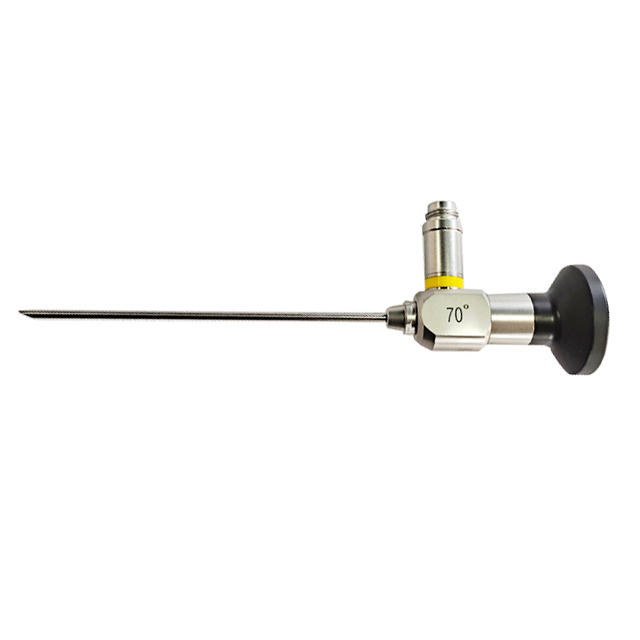
A: A rigid ENT endoscope is a straight, tubular optical instrument designed for the examination of the ear, nose, throat, and surrounding anatomical structures. It delivers high-resolution, magnified images, making it essential for precise diagnostic evaluations and minimally invasive surgical procedures.
Q: How does a rigid endoscope differ from a flexible one?
A: Rigid endoscopes feature a straight, non-bending construction that provides superior optical clarity, brightness, and durability. Flexible endoscopes, on the other hand, can bend to navigate curved anatomical pathways. The choice between the two depends on the specific clinical requirements of the examination or surgery.
Q: What are the primary advantages of using rigid ENT endoscopes?
A: Key benefits for clinical applications include:
Exceptional optical clarity and bright, distortion-free images.
Robust, durable construction designed for long-term clinical use.
High precision, making them ideal for targeted surgical interventions.
Generally more cost-effective and easier to maintain than flexible scopes for specific procedures.
Q: Are there any clinical limitations to be aware of?
A: Yes. Due to their rigid structure, they cannot navigate highly tortuous anatomical pathways. Additionally, certain examinations using rigid scopes may require higher patient cooperation or local anesthesia compared to flexible alternatives.
Q: How do I choose the right rigid endoscope for my medical facility?
A: Selection should be based on clinical needs. Key factors to evaluate include the outer diameter (e.g., 4mm), working length, viewing angle (0°, 30°, or 70°), intended surgical or diagnostic application, and compatibility with your existing light sources and camera systems. Consult with our clinical specialists for tailored guidance.
Q: What is the recommended procedure for cleaning and sterilizing the endoscope?
A: Always adhere to the manufacturer’s guidelines. Standard protocol involves immediate post-use rinsing, cleaning with an enzymatic detergent, and thorough drying. Suitable sterilization methods typically include autoclaving (only if the model is explicitly heat-tolerant), chemical sterilization, or low-temperature plasma sterilization. Always inspect the lens and body for damage prior to reuse.
Q: Can these rigid endoscopes be repaired if damaged?
A: Yes, common issues such as lens scratches or light guide fiber damage can often be repaired by specialized technicians. We recommend contacting us or an authorized service center for a professional assessment. Regular maintenance significantly extends the instrument's lifespan.
Order & Commercial FAQs
Q: How long is the production and delivery lead time?
A: For standard models, the lead time is usually 15 to 30 days after order confirmation and receipt of advanced payment or L/C. Customized orders may require additional production time and will be discussed on a case-by-case basis to meet your specific requirements.
Q: What are the available shipping methods and transit times?
A: While production takes 15-30 days, the actual shipping transit time is typically 3-7 days depending on the chosen method. In-stock items can be dispatched immediately. We partner with global freight forwarders to offer flexible express, air, or sea freight options. For many countries, we also provide comprehensive door-to-door delivery services, including customs clearance and tax handling, ensuring a seamless procurement process.
Q: What payment terms do you accept?
A: We offer flexible payment options to accommodate international procurement needs, including T/T (bank transfer), Western Union, MoneyGram, PayPal, Sigue, L/C, and cash.
Q: What is your after-sales service and warranty policy?
A: Our rigid endoscopes are backed by a comprehensive two-year warranty. If you encounter any technical issues, our trained and dedicated after-sales engineers are ready to assist you promptly. Within the warranty period, we provide free replacement or maintenance for manufacturing defects. Beyond the warranty period, we continue to offer lifelong technical support and service to safeguard your investment.
Q: How do you guarantee transaction security for international buyers?
A: We are a professional medical equipment supplier with multiple government and industry certifications. Our primary goal is to provide high-quality medical products alongside secure, reliable payment methods. All transactions are fully protected, ensuring you receive dependable instruments and our wholehearted service.