


Views: 0 Author: Site Editor Publish Time: 2026-01-06 Origin: Site


Are an endoscope and a laparoscope really the same tool, or just similar names? A Laparoscope enters through small incisions for laparoscopy surgery, while most endoscopes use natural openings.
In this article, you’ll learn the practical differences in purpose, anesthesia, recovery, and safety.
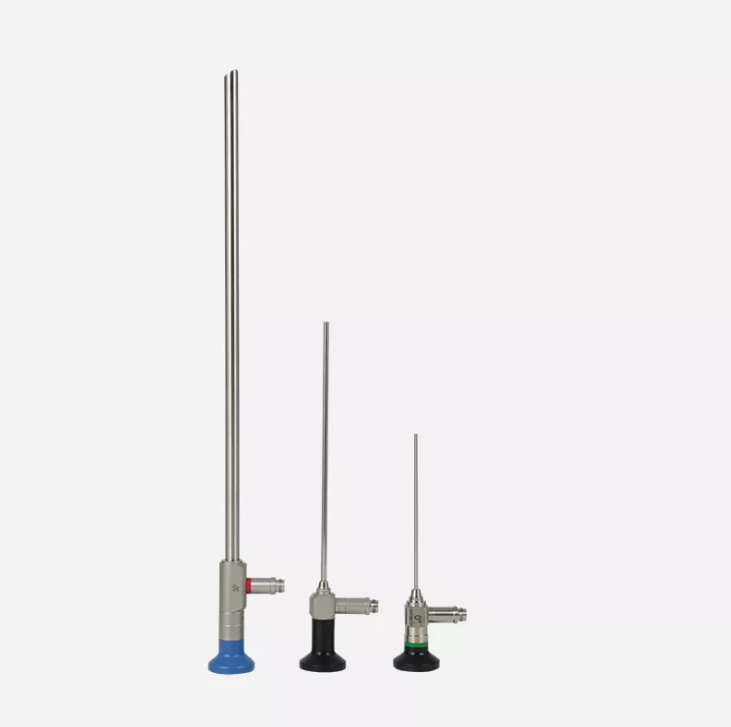
“Endoscope” is an umbrella term. It includes many instruments that help doctors look inside the body. You may hear names like gastroscope, colonoscope, bronchoscope, or cystoscope. These all fall under the “endoscope” umbrella, even though they target different organs.
A medical Laparoscope belongs under that umbrella, but it has a narrower job. It is designed for minimally invasive surgery in the belly and pelvis. It must work in a sterile surgical field, and it must support precise camera control during active surgery. So, every laparoscope is an endoscope, but not every endoscope is a laparoscope.
Most endoscopes enter through natural openings. They may go through the mouth, nose, anus, or urethra. This route matches the organs they inspect, such as the GI tract, airway, or bladder. Because these are natural passages, the procedure often focuses on the lining of a hollow organ.
A Laparoscope enters through small cuts in the abdominal wall. A port (tube) holds the entry site open. Surgeons place one or more ports depending on the planned steps. The camera scope goes through one port, and tools go through other ports. This route gives access to the abdominal or pelvic cavity, rather than the inside of a hollow tube-like organ.
Endoscopy often focuses on examining a hollow organ, such as the stomach or colon. It can answer questions like: “Is there inflammation?” “Is there bleeding?” “Is there a polyp?” It can also treat problems, like taking biopsies, stopping bleeding, or removing small growths.
Laparoscopy often focuses on the abdominal or pelvic cavity. It supports direct surgical tasks, such as cutting, sealing vessels, suturing, and removing tissue. That is why laparoscopy surgery is usually done in an operating room. In many cases, it is both diagnostic and therapeutic in the same session, depending on what is found.
Many endoscopes are flexible. They bend around curves and travel through narrow passages. This helps them follow the natural anatomy of the GI tract and airways. Flexible scopes also often carry a working channel, so tools can pass through the same device.
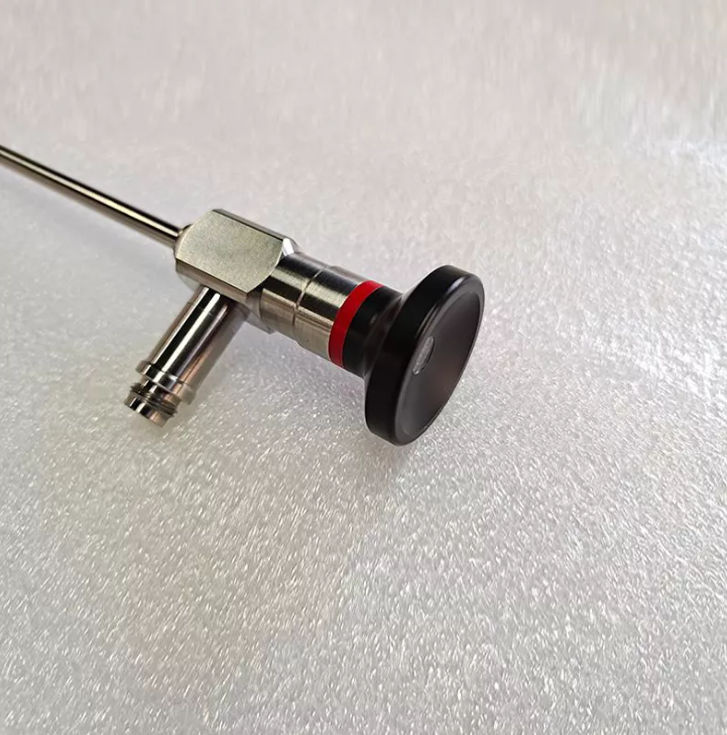
A laparoscope is often rigid or semi-rigid. A rigid laparoscope gives a stable view during surgery. It also makes camera control more predictable for the surgical team. This stability matters when surgeons are working with long instruments through ports, because small camera movements can change the whole view.
Laparoscopes often come in different optical angles. A 0° scope looks straight ahead. A 30 degree laparoscopic endoscope looks slightly to the side, depending on rotation. That angle helps surgeons see around structures, especially in tight spaces.
It can improve visibility near the gallbladder, pelvis, or deep corners of the abdomen. It also takes practice to learn clean camera moves, because rotating the scope changes where “up” and “left” appear on the screen. Many teams use a consistent camera routine to keep the view steady.
Endoscopy and laparoscopy both require careful cleaning and disinfection. The exact method depends on the device type and its instructions. Many flexible endoscopes rely on high-level disinfection workflows, while surgical instruments often require sterilization.
Many laparoscopes are built for repeated high-temperature cycles. An autoclavable laparoscope can tolerate steam sterilization, if the manufacturer allows it. This fits the sterile needs of surgical cases and repeated instrument turnover. Still, “autoclavable” does not mean “any cycle is fine.” The safe method always depends on the device label and IFU.
| Feature | Endoscope (general) | Laparoscope |
|---|---|---|
| Category | Broad family of scopes | Specific endoscope type |
| Entry route | Usually natural openings | Small incisions and ports |
| Main target | Hollow organs (GI, airway, bladder) | Abdominal and pelvic cavity |
| Typical design | Often flexible | Often rigid or semi-rigid |
| Typical setting | Endoscopy unit or clinic | Operating room |
| Anesthesia | Often sedation or local | Often general anesthesia |
| Space creation | Not needed in most cases | CO₂ inflation is common |
| Common goal | Diagnose, sometimes treat | Diagnose and treat surgically |
| Clinical question or symptom | More likely tool | Example procedures |
|---|---|---|
| Heartburn, upper GI pain, anemia, GI bleeding | Endoscope | Upper GI endoscopy |
| Colon cancer screening, chronic diarrhea, blood in stool | Endoscope | Colonoscopy |
| Chronic cough, airway narrowing, abnormal lung findings | Endoscope | Bronchoscopy |
| Blood in urine, bladder pain, recurrent UTIs | Endoscope | Cystoscopy |
| Unclear pelvic pain with inconclusive imaging | Laparoscope | Diagnostic laparoscopy |
| Suspected appendicitis needing surgery | Laparoscope | Appendectomy |
| Symptomatic gallstones needing surgery | Laparoscope | Cholecystectomy |
| Groin/abdominal wall hernia repair planned | Laparoscope | Hernia repair |
Doctors first ask what they need to find. If symptoms suggest a problem inside a hollow organ, endoscopy often comes first. Examples include reflux, swallowing trouble, GI bleeding, unexplained anemia, or changes in bowel habits. For airway issues, an endoscope may help explain chronic cough or abnormal imaging. For urinary symptoms, cystoscopy may be considered.
If symptoms point to the abdomen or pelvis, and scans do not explain them, laparoscopy may be considered. This often happens when pain persists, when symptoms do not match imaging findings, or when a direct look is needed to confirm a suspected condition.
Ultrasound, CT, and MRI are powerful tools, but they do not answer every question. Some problems are subtle, surface-based, or hidden by anatomy. When pain, infertility concerns, or suspected tissue disease remains unclear, diagnostic laparoscopy can help.
It lets surgeons see the surface of organs and tissues directly. It can also guide biopsies when needed. In gynecology, it can help evaluate issues like endometriosis or adhesions. In general surgery, it can help evaluate unclear abdominal pain or suspected disease in the abdomen.
Both approaches can shift from diagnosis to treatment in the same procedure. Endoscopy can remove polyps, control bleeding, or collect biopsy samples. Laparoscopy can confirm a cause and treat it right away, depending on findings and the plan.
For example, a surgeon may identify an inflamed appendix and proceed to appendectomy during the same laparoscopic session. Similarly, if the plan is gallbladder removal and the anatomy is suitable, cholecystectomy may proceed laparoscopically. If the plan is hernia repair, surgeons may place mesh using a minimally invasive approach.
| Stage | Endoscopy (Typical) | Laparoscopy (Typical) |
|---|---|---|
| Before | Fasting; bowel prep for colonoscopy; medication review | Fasting; surgical consent; medication review |
| During | Often sedation/local; scope travels through natural openings | Often general anesthesia; ports + CO₂ insufflation; Laparoscope + instruments |
| Right after | Short recovery/monitoring; may feel groggy | Post-op monitoring; incision care; pain control plan |
| Common short-term effects | Bloating/cramps; sore throat (upper GI) | Incision soreness; shoulder-tip pain; nausea possible |
| Same-day discharge | Very common | Common for simple cases; less common for complex cases |
| When to call a clinician | Severe pain, fever, heavy bleeding, breathing issues | Severe pain, fever, wound problems, heavy bleeding, breathing issues |
Preparation depends on the scope type. Many procedures require fasting for safety, especially when sedation or anesthesia is used. Colonoscopy also requires bowel preparation, because a clean colon improves visibility and reduces missed findings.
Medication review matters for both, especially blood thinners, diabetes medicines, and some heart medications. Your clinician may adjust timing or doses. Informed consent is also important, because benefits and risks differ between a diagnostic exam and surgery. You may also be asked about allergies, prior anesthesia reactions, and past surgeries.
Many endoscopy procedures use sedation, so patients feel sleepy and relaxed. Some use local numbing, especially for certain ENT exams. In many cases, the goal is comfort while keeping breathing stable and reflexes controlled.
Laparoscopy often uses general anesthesia. During laparoscopy, the abdomen is inflated using carbon dioxide gas to create working space. The Laparoscope then provides a clear view for surgical steps. Surgeons guide instruments through separate ports, using the screen as their main view.
After endoscopy, mild bloating or cramping can occur, especially after colonoscopy. After an upper GI exam, a sore throat can happen. Sedation may cause sleepiness for the rest of the day, so many clinics advise avoiding driving and major decisions until the next day.
After laparoscopy, incision soreness is common. Some people feel shoulder-tip pain, caused by gas irritation. Nausea can occur after anesthesia. Most symptoms improve over time, but severe pain, fever, heavy bleeding, fainting, or shortness of breath needs urgent evaluation.
A laparoscope is not just a tube with a lens. It usually connects to a camera head and a strong light source. The image appears on a monitor, which guides every move. Many teams also use an insufflator to control gas flow and pressure.
This full setup is why laparoscopy feels like a “system,” not a single instrument. Small issues like fogging, poor white balance, or weak light can reduce visibility. Teams often use anti-fog solutions and quick lens checks to keep the view clear.
Many flexible endoscopes include a working channel. Tools can pass through that channel for biopsy or removal. This keeps entry points minimal and often supports quick therapeutic steps.
Laparoscopy uses several ports, each with its own instrument path. One port holds the Laparoscope, while others hold graspers, scissors, suction, or energy devices. This multi-port setup supports complex tasks like dissection and suturing. It also changes coordination, because hand movements are mirrored on the screen.
Reprocessing rules vary by device. Some scopes need high-level disinfection, while others require sterilization. Laparoscopic instruments often follow strict sterile processing steps. Lens inspection, checking for damage, and proper packaging reduce the chance of contamination.
If a device is labeled as an autoclavable laparoscope, it may fit steam cycles, but only within the stated limits. Proper handling also matters, because scratches on the lens or damage to seals can degrade image quality and shorten device life.
Endoscopy duration depends on the target area and what is found. A simple diagnostic exam can be short. Added steps, like multiple biopsies, dilation, or treatment of bleeding, can extend time.
Laparoscopy time depends on the surgical task and anatomy. Adhesions, inflammation, or unexpected findings can slow progress. Some cases remain minimally invasive, while others may need conversion to an open approach for safety. That possibility is often discussed during consent.
Many endoscopy patients go home the same day, after a recovery period. They may need short monitoring until sedation wears off and vital signs are stable.
Laparoscopy can also be day surgery, especially for simpler cases. Still, overnight observation is more common after major laparoscopic procedures, complex cases, or higher-risk patients. Pain control, nausea control, ability to walk, and stable vital signs guide discharge timing.
Endoscopy costs often relate to facility fees, sedation, and disposable accessories. Laparoscopy costs often include operating room time, anesthesia, and a broader set of sterile supplies. However, laparoscopy may reduce recovery time compared to open surgery in many cases, which can affect total time away from work.
Actual costs vary by country, hospital, and insurance rules. A good way to understand your own situation is to ask what the estimate includes: anesthesia, pathology, disposables, and follow-up care.
| Procedure | Tool type | Main goal | Common note |
|---|---|---|---|
| Upper GI endoscopy | Endoscope | Diagnose/treat upper GI issues | Biopsy and bleeding control may be done |
| Colonoscopy | Endoscope | Screen/diagnose colon disease | Polyps may be removed |
| ERCP | Endoscope | Treat bile/pancreatic duct blockage | Specialized indications |
| Bronchoscopy | Endoscope | Evaluate airway/lung issues | Samples may be collected |
| Cystoscopy | Endoscope | Evaluate bladder/urethra | Often short recovery |
| Diagnostic laparoscopy | Laparoscope | Direct view of abdomen/pelvis | Can guide biopsy and treatment |
| Appendectomy | Laparoscope | Remove appendix | Common laparoscopic surgery |
| Cholecystectomy | Laparoscope | Remove gallbladder | Classic laparoscopy case |
| Hernia repair | Laparoscope | Repair hernia, often with mesh | Technique depends on hernia type |
| Gynecological surgeries | Laparoscope | Treat pelvic conditions | Examples: cysts, endometriosis |
Upper GI endoscopy examines the esophagus, stomach, and duodenum. It can help diagnose reflux damage, ulcers, or sources of bleeding. Colonoscopy examines the colon and rectum. It can find and remove polyps, and it can help evaluate inflammation or cancer risk.
ERCP is a specialized endoscopic procedure that evaluates bile and pancreatic ducts. It can also treat blockages in those ducts, such as removing stones or placing stents. ERCP often involves a more specialized team and specific indications.
Bronchoscopy examines the airways and can collect samples. It may help evaluate infection, bleeding, or masses in the airway. Laryngoscopy examines the voice box and upper airway. It can help explain hoarseness, throat symptoms, or airway narrowing.
These procedures often use local numbing and sedation, depending on technique and patient needs. Clinicians also consider cough reflex, breathing status, and comfort.
Cystoscopy examines the bladder and urethra. It can evaluate blood in urine, recurrent infections, or bladder symptoms. Hysteroscopy examines the uterine cavity. It can evaluate abnormal bleeding, fibroids, or polyps inside the uterus.
These procedures are endoscopy, but they are not abdominal laparoscopy. They use natural routes and focus on specific organs. They often have different recovery expectations than laparoscopy surgery.
A Laparoscope supports many common operations inside the abdomen and pelvis. Cholecystectomy removes the gallbladder and often uses laparoscopy. Appendectomy removes the appendix and is frequently done laparoscopically. Hernia repair may use laparoscopy to place mesh from inside the abdominal wall.
Many gynecological surgeries also use laparoscopy, such as work for ovarian cysts or endometriosis. In some cases, diagnostic laparoscopy is the first step, and treatment follows if the cause is confirmed. The exact plan depends on symptoms, imaging, and what is safe for the patient.
Endoscopes enter natural openings to diagnose or treat issues inside hollow organs. A Laparoscope uses small ports for laparoscopy surgery in the abdomen or pelvis. Many are rigid and autoclavable, and 30-degree optics can improve views in tight angles. Ask about goals, anesthesi, and recovery; HENGJIA delivers clear imaging laparoscope sets, compatible accessories, and steady after-sales support.
A: A Laparoscope is a medical laparoscope type of endoscope for laparoscopy surgery.
A: A Laparoscope is usually a rigid laparoscope for stable, controlled surgical viewing.
A: A Laparoscope with 30 degree laparoscopic endoscope optics helps view around structures.
A: A Laparoscope labeled autoclavable laparoscope supports steam sterilization per IFU.
A: A Laparoscope case often costs more due to OR and anesthesia needs.


