
 English

 English
Views: 0 Author: Site Editor Publish Time: 2025-11-04 Origin: Site


Are you curious about how doctors explore the mysteries of your lungs? Flexible bronchoscopy is a groundbreaking tool in medical diagnostics. It allows doctors to examine your airways with precision and minimal discomfort. In this post, you'll learn what flexible bronchoscopy is and discover its vital role in diagnosing lung conditions effectively.
A flexible bronchoscope is a thin, bendable tube used by doctors to look inside your airways and lungs. It’s about the width of a pencil, making it easy to navigate through the nose or mouth, down the throat, and into the windpipe and lungs. At the tip of this tube, there’s a tiny camera and a bright light. This lets doctors see the inside of your breathing tubes clearly on a screen.
Unlike rigid bronchoscopes, which are straight and less flexible, the flexible bronchoscope can bend and curve, allowing doctors to reach deeper into the lungs. This flexibility makes the procedure more comfortable for patients and enables doctors to examine areas that would otherwise be hard to reach.
The flexible bronchoscope consists of several key parts working together:
Insertion Tube: The long, flexible part that the doctor guides through the airways. It contains channels for the camera, light, and instruments.
Camera and Light Source: Located at the tip, the camera captures live images, and the light illuminates the dark airways.
Control Section: This is the handle held by the doctor, which allows them to steer the tip of the bronchoscope by bending it up, down, left, or right.
Working Channels: These small tubes inside the bronchoscope let doctors pass tools through the scope to perform tasks like taking tissue samples (biopsies), brushing cells, suctioning mucus, or washing the airways with saline.
Suction Channel: Helps clear mucus or fluids to keep the view clear during the procedure.
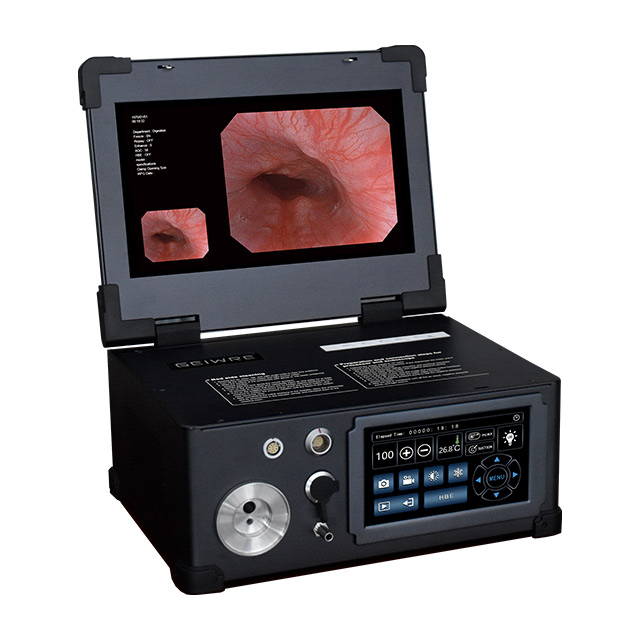
The bronchoscope sends images to a monitor, giving doctors a clear, real-time view of the respiratory tract. This helps them spot abnormalities such as inflammation, tumors, infections, or blockages.
Because the bronchoscope is flexible, patients can breathe normally during the procedure. The tube is designed to leave enough space for air to flow around it. Local anesthetics numb the nose, mouth, and throat to minimize discomfort, and sometimes sedation is given to help patients relax.
In some cases, doctors use additional tools alongside the bronchoscope, such as ultrasound probes for better imaging or small lasers for treating tissue. The flexibility and multifunctionality of this device make it essential for diagnosing and sometimes treating lung conditions.
Flexible bronchoscopy is often recommended when patients experience symptoms or conditions affecting their lungs and airways. Common reasons include:
Persistent Cough: When a cough lasts for weeks without improvement, doctors may want to look inside the airways.
Coughing up Blood (Hemoptysis): This alarming symptom requires investigation to find the source of bleeding.
Unexplained Lung Infections: If pneumonia or other infections don't respond to treatment, bronchoscopy helps identify the cause.
Abnormal Chest X-rays or CT Scans: Suspicious spots or masses in the lungs need further examination.
Wheezing or Breathing Difficulty: When lung function is impaired, bronchoscopy can help find blockages or inflammation.
Suspected Lung Cancer: To obtain tissue samples for diagnosis.
Foreign Body Removal: Inhaled objects like peanuts or small items can be located and removed.
Chronic Lung Diseases: Conditions such as sarcoidosis or interstitial lung disease often require tissue sampling for diagnosis.
Doctors use flexible bronchoscopy to explore these symptoms directly, providing a clearer picture of the lung condition.
Flexible bronchoscopy serves both diagnostic and therapeutic purposes:
Diagnostic Uses:
Visual Inspection: Directly viewing the airways to detect inflammation, tumors, or infections.
Tissue Biopsy: Taking small samples from the lung or airway lining to analyze under a microscope.
Bronchial Washings and Brushings: Collecting cells or fluid to test for infections or cancer.
Assessing Airway Obstructions: Identifying narrowing or blockages caused by tumors or foreign bodies.
Therapeutic Uses:
Removing Foreign Bodies: Extracting inhaled objects blocking airways.
Clearing Mucus or Secretions: Suctioning thick mucus that may cause breathing problems.
Laser Therapy or Stent Placement: Treating tumors or keeping airways open.
Managing Bleeding: Applying medications or techniques to stop bleeding within the airways.
This flexibility makes the procedure valuable not only for diagnosis but also for immediate treatment in many lung conditions. When considering flexible bronchoscopy, ensure clear communication about symptoms and medications to optimize diagnostic accuracy and treatment safety.
Before your bronchoscopy, you’ll usually be asked not to eat or drink for a certain time. Most often, this means no food for about six hours before the test and no drinks for two hours before. This fasting reduces the risk of choking during the procedure since your throat will be numbed and you may receive sedation.
On the day of the test, wear loose and comfortable clothes. Avoid tight clothing that might make you uncomfortable while lying down. You might also be asked to remove dentures or contact lenses before the procedure.
When you arrive, medical staff will check your identity and review your medical history. They'll ask about allergies, current medications, and any health conditions you have. This helps them plan your care carefully.
You'll likely have a brief physical assessment, including measuring your blood pressure, pulse, and oxygen levels. A nurse may insert a small intravenous (IV) line in your arm or hand to give medications or fluids during the procedure.
If you are anxious, tell your healthcare team. They can provide support or sedation to help you relax.
It's important to tell your doctor about all the medicines you take, including blood thinners, diabetes drugs, and supplements. Some medications may need to be paused before your bronchoscopy to reduce risks like bleeding.
Blood Thinners: Medicines like warfarin, clopidogrel, or newer anticoagulants often need to be stopped several days before. Your doctor will guide you on when and how to pause these safely. For example, warfarin is usually stopped five days prior, with blood tests done to check your clotting levels.
Aspirin: Generally, you can keep taking aspirin unless your doctor advises otherwise.
Diabetes Medications: If you take insulin or diabetes pills, your doctor will give special instructions. Sometimes, you may need to skip your morning dose or adjust it to avoid low blood sugar during fasting.
Other Medications: Some medicines for weight loss or high blood pressure might also require adjustments. Always follow your healthcare provider’s advice carefully.
Avoid smoking before the procedure as it can affect your lung function and oxygen levels.
If you have any questions about your medications or fasting, contact your healthcare provider well before the test day.
When you arrive for a flexible bronchoscopy, the medical team prepares you for the procedure. First, you'll be asked to change into a hospital gown and remove any jewelry, glasses, dentures, or contact lenses. A nurse will check your vital signs—blood pressure, pulse, oxygen levels—and may insert an IV line into your arm for medication and fluids.
Next, you'll meet with the doctor or anesthesiologist. They will explain what will happen and discuss anesthesia options. Usually, you'll receive a local anesthetic spray or gel to numb your nose, mouth, and throat. This helps reduce gagging and discomfort during the procedure. Some patients also receive sedation through the IV, making them sleepy and relaxed.
Once you're comfortable, you'll be positioned either sitting or lying on your side or back. The doctor will insert the bronchoscope either through your nose or mouth, depending on what was planned. The tube is gently guided down your throat into your windpipe and then into your lungs. You may feel some pressure or a slight gag, but breathing normally is usually possible. The scope's camera transmits real-time images to a monitor, allowing the doctor to examine your airways closely.
During the procedure, the doctor might perform additional tasks such as collecting tissue samples (biopsies), brushing cells, or washing the lungs with saline solution. These samples help diagnose infections, tumors, or other lung diseases.
The entire process typically lasts between 20 to 30 minutes. Many patients find the procedure tolerable, especially with local anesthesia and sedation. You might feel some discomfort, such as a sore throat or mild coughing, during and after the test. Coughing is common because of the scope's presence in your airways.
Most patients remain awake but relaxed, thanks to sedation. If you receive sedation, you'll likely feel sleepy and may not remember much of the procedure. Breathing remains normal, and oxygen is supplied through a small tube in your nose if needed.
Preparation: Medical team checks vital signs, places IV, administers local anesthetic, and possibly sedation.
Insertion: The bronchoscope is inserted through nose or mouth, guided into the lungs.
Examination: The camera provides live images, allowing the doctor to look for abnormalities.
Sampling: Tissue, cell, or fluid samples are collected if necessary.
Completion: The scope is gently withdrawn, and you'll be moved to recovery.
Pressure or gagging sensation during scope insertion.
Mild discomfort or coughing during examination.
Sore throat or hoarseness afterward.
Slight blood-tinged sputum, which is normal.
Some patients might feel drowsy or sleepy due to sedation.
After the procedure, you'll be monitored in a recovery area. Because of local anesthesia and sedation, you'll need someone to accompany you home. You should avoid eating or drinking until the numbness wears off, usually about an hour. Once you're alert, you can start with small sips of water, then resume normal eating.
Most patients go home the same day. You might experience mild sore throat, tiredness, or a low-grade fever. These symptoms usually resolve within a day or two. If you notice heavy bleeding, difficulty breathing, chest pain, or a fever over 101°F, contact your healthcare provider immediately.
A flexible bronchoscopy is a safe, minimally invasive procedure that allows doctors to examine your lungs closely. It involves inserting a thin, flexible tube through your nose or mouth, guided into your airways. With local anesthesia and sedation, most patients tolerate the procedure well, returning home the same day with minimal discomfort. Proper preparation and understanding what to expect can make the experience smoother and less stressful.
After a flexible bronchoscopy, you’ll be taken to a recovery area for monitoring. Nurses will keep an eye on your vital signs—heart rate, blood pressure, oxygen levels—to ensure you’re stable. Because the local anesthetic numbs your throat, you won’t be allowed to eat or drink for about one to two hours. This precaution helps prevent choking until your gag reflex returns.
If sedation was used, you might feel drowsy or groggy for several hours. You’ll need someone to accompany you home and stay with you for the first 24 hours. Sedation affects your judgment, coordination, and memory, so avoid driving, operating machinery, or making important decisions during this period.
Your healthcare team will also check for any immediate side effects, such as coughing, bleeding, or breathing difficulties. If you had tissue samples taken, you might get preliminary feedback before discharge, but full lab results usually take several days to a week.
It’s normal to have a sore throat, hoarseness, or mild coughing after the procedure. These symptoms usually fade within a day or two. You may notice a small amount of blood in your sputum or a slight nosebleed, which should also resolve quickly.
To ease throat discomfort, try sipping warm liquids, sucking on throat lozenges, or eating soft foods. Avoid smoking or exposure to smoke, as it can irritate your airways and delay healing.
Some people experience mild fatigue or a low-grade fever after bronchoscopy. Rest is important, and over-the-counter pain relievers like acetaminophen can help with discomfort or fever. However, if your fever rises above 101°F (38.3°C), or if you experience heavy bleeding, severe shortness of breath, chest pain, or persistent coughing up of blood, seek medical attention immediately.
Though complications are rare, watch for warning signs:
Heavy bleeding: Coughing up more than a tablespoon of blood.
Difficulty breathing: Sudden shortness of breath or wheezing.
Chest pain: Sharp or persistent pain in the chest area.
High fever: Temperature over 101°F (38.3°C) lasting more than 24 hours.
Severe coughing: Persistent coughing that doesn’t improve.
If any of these occur, go to the emergency room or contact your healthcare provider promptly.
Tip: Arrange for a responsible adult to accompany you home after bronchoscopy and stay with you for 24 hours to monitor for delayed side effects or complications.
Flexible bronchoscopy is generally safe, but like any medical procedure, it carries some risks. Minor complications happen in about 1 in 500 cases. These include:
Reduced breathing: Sedation or local anesthetics may cause temporary breathing difficulties.
Vocal cord spasm: The local anesthetic can sometimes cause the vocal cords to tighten, making it hard to breathe or speak briefly.
Feeling faint or nauseous: Some patients feel lightheaded or sick during or after the procedure.
Sore throat or hoarseness: Common and usually temporary after the scope passes through the throat.
Mild bleeding: Small amounts of blood in sputum or nosebleeds can occur but usually stop quickly.
Major complications are rarer, occurring in about 1 in 800 cases. These can be serious and may require urgent treatment:
Stopped breathing: Rare, but possible if sedation affects breathing or airway obstruction occurs.
Irregular heart rhythms (arrhythmias): The procedure or sedation may trigger abnormal heartbeats.
Chest infections (pneumonia): Infections can develop if bacteria enter the lungs during bronchoscopy.
Fluid buildup in the lungs (pulmonary edema): This can cause breathing trouble and may need hospital care.
Severe bleeding: Especially if a biopsy or treatment is done; may require medications or interventions to stop.
Collapsed lung (pneumothorax): If the lung is accidentally punctured, air can leak and cause collapse. This might need a chest tube or hospital admission.
Medical teams prepare for emergencies during bronchoscopy. They monitor your vital signs closely and have equipment ready to manage complications. If you experience any of the following after your procedure, seek immediate medical attention:
Heavy bleeding: Coughing up more than a tablespoon of blood.
Severe shortness of breath: Difficulty breathing or persistent wheezing.
Chest pain: Sharp or ongoing pain in the chest area.
High fever: Over 101°F (38.3°C) lasting more than a day.
Fainting or severe dizziness: Feeling unable to stand or stay awake.
In rare cases, complications may develop hours after the procedure. It’s important to have someone stay with you for the first 24 hours, especially if you received sedation. They can help notice signs of trouble and get help if needed. Always inform your healthcare provider about all medications and health conditions before bronchoscopy to minimize risks and ensure appropriate emergency preparedness.
Flexible bronchoscopy and rigid bronchoscopy are two main methods to examine the airways, each with distinct features and uses.
Flexible Bronchoscopy:
Uses a thin, bendable tube that can navigate deep into the lungs.
Usually performed under local anesthesia and mild sedation.
More comfortable for patients, with less recovery time.
Allows access to smaller airways and can perform biopsies, washings, and minor treatments.
Ideal for diagnostic purposes and some therapeutic interventions.
Rigid Bronchoscopy:
Uses a straight, wide, metal tube.
Performed under general anesthesia.
Provides a larger working channel for removing large foreign bodies or controlling severe bleeding.
Often used by thoracic surgeons in specialized settings.
Better suited for complex therapeutic procedures needing more space and control.
The choice depends on the clinical situation. Flexible bronchoscopy is preferred for routine diagnosis and minor treatments. Rigid bronchoscopy is reserved for cases requiring greater airway control or removal of large obstructions.
Besides bronchoscopy, doctors may use other tests to examine lung conditions:
Chest X-ray: A quick imaging test to detect lung abnormalities like infections, tumors, or fluid.
CT Scan: Provides detailed cross-sectional images of the lungs, helping identify nodules, masses, or structural changes.
Sputum Cytology: Examining mucus coughed up from the lungs for abnormal cells.
Needle Biopsy: Inserting a needle through the chest wall to sample lung tissue, often guided by imaging.
Pulmonary Function Tests (PFTs): Measure lung capacity and airflow but do not visualize airways.
Endobronchial Ultrasound (EBUS): A specialized bronchoscopy with ultrasound to sample lymph nodes and deeper tissues.
Each alternative has its strengths and limitations. Imaging tests are non-invasive but cannot provide tissue samples. Needle biopsies can access lung tissue but lack direct airway visualization. Flexible bronchoscopy offers a balance of direct visualization and sampling with minimal invasiveness.
Flexible bronchoscopy is a vital tool in modern medicine, allowing doctors to examine and treat lung issues with precision. Its flexibility and multifunctionality make it essential for diagnosing and treating various conditions. Through the use of a bendable tube equipped with a camera and light, it provides a clear view of the airways. Hengjia offers high-quality bronchoscopes that enhance patient comfort and diagnostic accuracy, underscoring their commitment to advancing medical technology and patient care.
A: Flexible Bronchoscopes are used to examine airways and lungs, diagnose conditions, and perform treatments like biopsies and clearing blockages.
A: Flexible Bronchoscopes are bendable, allowing deeper lung access and greater patient comfort, while rigid bronchoscopes are straight and used for larger obstructions.
A: A doctor may recommend it to investigate persistent cough, abnormal scans, or suspected lung cancer, and to perform diagnostic or therapeutic tasks.
A: The cost varies by location and healthcare facility, typically ranging from a few hundred to several thousand dollars, depending on insurance and additional procedures.


