


Views: 0 Author: Site Editor Publish Time: 2025-11-20 Origin: Site


If your doctor has recommended an Esophagogastroduodenoscopy (EGD), you might have questions about what the procedure involves, why it’s necessary, and what to expect before, during, and after the exam. While the term “EGD” might sound complicated, it’s a common and safe procedure used by doctors to evaluate the health of your esophagus, stomach, and duodenum (the first part of the small intestine).
EGD is primarily used to investigate symptoms such as persistent stomach pain, difficulty swallowing, unexplained weight loss, or persistent nausea. It can also be used for more specific concerns, such as investigating gastrointestinal bleeding, taking biopsies, or monitoring the progress of certain diseases. This article will explain everything you need to know about the EGD procedure, including what it is, how it’s performed, why it’s needed, and how to prepare for it.
An Esophagogastroduodenoscopy is a diagnostic procedure that allows doctors to examine the upper gastrointestinal (GI) tract, including the esophagus, stomach, and duodenum. The procedure uses a long, flexible tube called an endoscope, which is equipped with a small camera and light at the tip. The endoscope is inserted through the mouth, allowing the doctor to view the internal structures on a monitor in real-time.
The word "Esophagogastroduodenoscopy" is broken down as follows:
Esophago-: Referring to the esophagus, the tube that carries food from your mouth to your stomach.
Gastro-: Referring to the stomach, the organ responsible for digesting food.
Duodeno-: Referring to the duodenum, the first part of the small intestine.
EGD can be used to diagnose a variety of conditions, including:
Gastric ulcers or peptic ulcers
Gastroesophageal reflux disease (GERD)
Gastritis (inflammation of the stomach lining)
Barrett’s esophagus (a condition that can lead to esophageal cancer)
Esophageal varices (enlarged veins in the esophagus)
Celiac disease
Tumors or growths in the esophagus, stomach, or duodenum
Additionally, an EGD can also be used to take biopsies (samples of tissue), perform dilation (stretching narrowed areas of the esophagus), or remove foreign objects.
An EGD is generally recommended for patients who have symptoms related to the upper GI tract that need to be further investigated. Some common reasons for undergoing an EGD include:
Persistent upper abdominal pain: If you have ongoing pain in the upper abdomen, especially after eating, an EGD can help determine the cause.
Difficulty swallowing (dysphagia): A feeling of food sticking in the chest or throat can be caused by issues like narrowing (stricture), tumors, or inflammation of the esophagus.
Unexplained weight loss: If you’re losing weight without trying, it may indicate a more serious issue that needs to be investigated.
Chronic heartburn or reflux symptoms: If over-the-counter medications or lifestyle changes don’t relieve symptoms, EGD can be used to look for damage from acid reflux.
Gastrointestinal bleeding: If you experience symptoms such as vomiting blood, black stools, or severe stomach pain, an EGD can help locate the source of the bleeding.
Monitoring: If you have a history of certain conditions, like Barrett’s esophagus or GERD, an EGD may be used to monitor for changes or complications.
An EGD is an essential tool for diagnosing various gastrointestinal diseases and providing targeted treatment.
An EGD is typically an outpatient procedure, meaning you can go home the same day. While it is often performed in a hospital or outpatient clinic, it’s a relatively quick procedure that generally lasts between 15 to 30 minutes. Here’s what you can expect during the process:
Preparing for an EGD is crucial to ensure the procedure goes smoothly and that your doctor can clearly see the structures they need to examine. Your doctor will give you specific instructions for preparation, but the general guidelines include:
Fasting: You will need to fast for at least 6-8 hours before the procedure. This ensures that your stomach is empty, which allows for better visibility and reduces the risk of aspiration (when food or liquids enter the lungs). Your doctor will give you specific instructions regarding this.
Medications: If you take regular medications, especially blood thinners or diabetes medications, you may need to adjust your doses or stop taking them temporarily. Make sure to tell your doctor about any medications you are on, including over-the-counter drugs, supplements, and herbal remedies.
Arrangements: Since you may receive a mild sedative or local anesthetic during the procedure, it’s advisable to arrange for someone to take you home afterward.
An EGD is typically performed with mild sedation to help you relax and minimize any discomfort. You will likely be given a sedative through an intravenous (IV) line in your arm. Some patients may only need a local anesthetic to numb the throat, while others may be given moderate sedation (sometimes called "twilight sedation"), which makes you drowsy but still conscious. In some cases, patients may be given general anesthesia, especially if they have certain medical conditions or difficulty tolerating sedation.
Local Anesthesia: A local anesthetic (such as a numbing spray) is applied to the back of your throat to help prevent gagging and discomfort as the scope is inserted.
Sedation: With sedation, you will be awake but relaxed and likely won’t remember much of the procedure. This type of sedation ensures that you don’t feel any pain or significant discomfort.
Once you are comfortable and sedated, the doctor will begin the procedure. You will typically lie on your left side with your head slightly tilted. The doctor will insert the endoscope through your mouth (or occasionally through the nose) and gently advance it down the esophagus and into the stomach and duodenum. The endoscope is very flexible and narrow, which allows it to pass easily through the throat.
As the endoscope moves through your GI tract, the camera on the tip of the scope transmits high-definition images to a monitor, allowing the doctor to carefully examine the lining of the esophagus, stomach, and duodenum for any signs of disease.
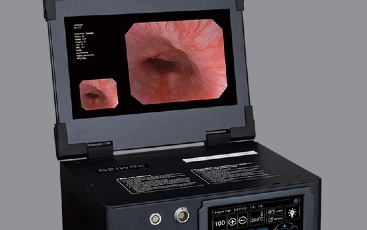
While the procedure is ongoing, you may feel some mild discomfort, such as pressure or a sensation of fullness. Some people experience a slight gagging reflex when the scope is inserted, but the sedative and local anesthetic should minimize this discomfort. If you feel anything more than mild discomfort, be sure to inform your doctor.
In some cases, the doctor may perform additional tasks, such as:
Taking biopsies: Using specialized tools that can pass through the endoscope, the doctor may take small tissue samples for testing if they suspect cancer, infection, or other conditions.
Dilation: If the doctor detects a narrowing (stricture) in the esophagus, they may use a balloon or other tool to gently stretch the area to allow easier swallowing.
Removing foreign objects: If you’ve swallowed something that is stuck in your esophagus or stomach, the doctor can use the endoscope to remove it.
Once the procedure is complete, you’ll be monitored for a short period as the sedation wears off. Most people feel groggy for a while after the procedure, so it’s essential to rest and allow the sedative to leave your system. You should plan to have someone drive you home, as you may not be able to operate a vehicle for several hours.
Here’s what you can expect post-procedure:
Sore throat: It’s common to experience a mild sore throat or hoarseness after the procedure due to the insertion of the endoscope. This usually resolves within a few hours.
Bloating or gas: Some patients feel bloated or have mild cramping due to the air that is introduced into the stomach during the procedure to improve visibility.
Return to Normal Activities: Most people can return to normal activities the day after the procedure. However, you should avoid heavy meals, alcohol, or strenuous physical activity for the first 24 hours.
The results of the procedure will depend on what the doctor finds during the EGD. In many cases, the doctor will be able to discuss preliminary findings with you right after the procedure. If any biopsies were taken, the results will typically take a few days to a week to return, and your doctor will contact you with those findings.
Normal results: If the EGD is normal, your doctor may not recommend any further testing, and you will likely be discharged with advice on managing your symptoms or maintaining good digestive health.
Abnormal findings: If the doctor finds signs of disease, such as ulcers, inflammation, or cancer, they will discuss the next steps with you, which may involve further testing or treatment.
An Esophagogastroduodenoscopy (EGD) is a valuable tool for diagnosing a variety of upper gastrointestinal conditions. It allows healthcare providers to look inside your esophagus, stomach, and duodenum in real-time, making it possible to diagnose and treat conditions early, which can lead to better outcomes. By understanding what to expect during the procedure and how to prepare, you can approach the EGD with confidence and ease.
If your doctor has recommended an EGD, remember that it is a safe and relatively simple procedure with minimal risks. Most people recover quickly and can resume their daily activities soon after. If you have any concerns or questions, don't hesitate to ask your healthcare provider for more detailed information about the procedure.


