


Views: 0 Author: Site Editor Publish Time: 2025-11-04 Origin: Site


Have you ever wondered what happens during a laryngoscopy and how long recovery takes? This procedure, using a flexible rhinolaryngoscope, examines the larynx to diagnose or treat issues. In this post, you'll learn about laryngoscopy's purpose, importance, and typical recovery time.
Laryngoscopy is a medical procedure used to examine the larynx, or voice box, often to diagnose or treat voice or throat problems. Two main types exist: flexible and rigid laryngoscopy. Each serves different purposes and involves distinct techniques.
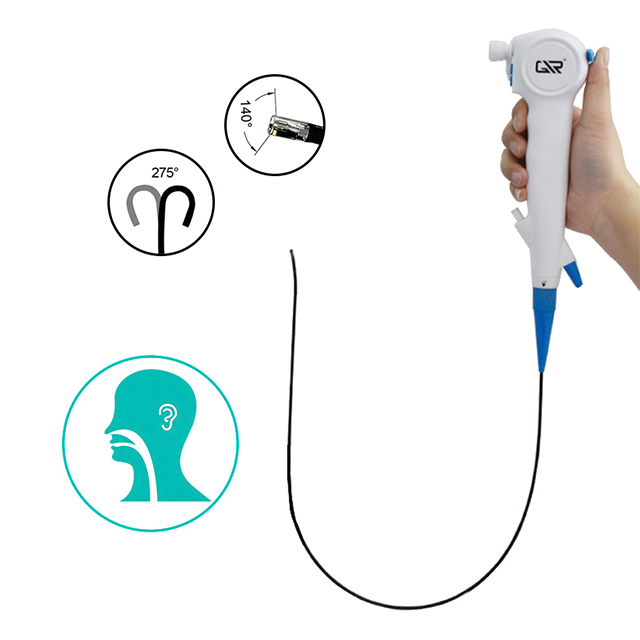
Flexible laryngoscopy uses a thin, bendable tube with a light and camera at its tip. The doctor inserts it through the nose to see the larynx. This method is usually done in a clinic and takes about 15-20 minutes. It requires only local anesthesia, which numbs the nose and throat. The patient remains awake, and the camera sends live images to a monitor. This approach is less invasive and ideal for quick examinations or biopsies.
Rigid laryngoscopy involves a straight, rigid tube inserted through the mouth, usually under general anesthesia. It takes about 30 minutes and is often performed in an operating room. This method provides a clearer, more detailed view of the larynx and allows the surgeon to remove small lesions or perform biopsies. Sometimes, lasers or microscopes assist during the procedure.
Doctors recommend laryngoscopy for various reasons, including:
Persistent hoarseness or voice changes
Chronic throat pain or irritation
Difficulty swallowing or breathing
Suspicion of tumors, nodules, or lesions on the vocal cords
Chronic laryngitis or inflammation
Evaluation before or after vocal cord surgery
This procedure helps identify causes behind symptoms and guides treatment options.
Although laryngoscopy is generally safe, some risks exist:
Sore throat or discomfort after the procedure
Minor bleeding, especially if biopsies are taken
Swelling or irritation of the vocal cords
Temporary voice changes or hoarseness
Rarely, allergic reactions to anesthesia
Breathing difficulties, particularly after rigid laryngoscopy
Doctors provide instructions to minimize risks and monitor recovery closely. Patients should report any severe pain, heavy bleeding, or breathing trouble immediately. When scheduling a laryngoscopy, ask your doctor about the type best suited for your condition and what to expect during recovery to prepare accordingly.
Right after your laryngoscopy, your healthcare team will give you specific instructions to help your throat and vocal cords start healing. If you had a flexible laryngoscopy, you might notice some numbness in your throat, which usually wears off within an hour. During this time, avoid eating or drinking hot liquids to prevent burns or irritation. Start with small sips of cool water once the numbness subsides, and gradually progress to soft foods as tolerated.
If you underwent a rigid laryngoscopy, you will be monitored in the recovery area for about two hours. Once you can swallow comfortably, you may be allowed to drink fluids. If a biopsy was performed, your doctor might recommend staying overnight for observation, especially if there's bleeding or swelling.
Some soreness or mild pain in the throat is common after a laryngoscopy. You might also experience a scratchy or hoarse voice temporarily. To manage discomfort, your doctor may recommend over-the-counter pain relievers like acetaminophen or ibuprofen. Avoid aspirin unless advised, as it can increase bleeding risk.
Gargling with warm salt water can soothe your sore throat. Throat lozenges or sprays are also helpful but avoid those with alcohol or strong menthol if they cause irritation. If you experience persistent or severe pain, bleeding, or difficulty swallowing, contact your healthcare provider immediately.
Rest plays a vital role in your recovery. Limit speaking as much as possible during the first few days. When you need to communicate, speak softly and avoid straining your voice. Resting your voice helps reduce swelling and promotes healing.
Hydration is equally important. Drinking plenty of water keeps your throat moist and prevents dehydration, which can slow healing. Aim for at least 8 glasses (about 2 liters) of water daily. Avoid caffeinated or alcoholic beverages, as they can dehydrate you and irritate your throat.
In addition, inhaling steam daily can help soothe your throat and loosen mucus. Fill a bowl with hot water, lean over it with a towel over your head, and breathe in the steam for 5-10 minutes. Be careful to avoid burns by keeping your face at a safe distance from the hot water. Staying well-hydrated and resting your voice are key steps to a smooth and speedy recovery after your laryngoscopy.
Resting your voice after a laryngoscopy is vital for proper healing. When the vocal cords are inflamed or irritated, speaking can cause further damage or prolong recovery. Complete voice rest minimizes strain, reduces swelling, and helps tissues repair efficiently. Even small vocal efforts, like whispering or clearing your throat, can put stress on healing tissues. Therefore, following your doctor’s advice to avoid talking altogether during the initial recovery period is essential. This period typically lasts for at least 3 days, but may extend depending on your procedure's complexity.
The length of voice rest varies based on the type of laryngoscopy and any additional procedures performed. For most cases, strict voice rest for about 3 days is recommended. If tissue was removed or biopsies taken, your healthcare provider might advise up to 2 weeks of complete silence. During this time, no whispering, humming, or any vocalization should occur. After the initial rest, you can gradually reintroduce speaking, starting softly and increasing volume slowly, always listening to your comfort level. It’s important to follow your ENT specialist’s instructions precisely to prevent setbacks.
During periods of voice rest, it's helpful to use other ways to communicate. Writing notes, using gestures, or sending text messages can keep you connected without straining your voice. Many patients find that these methods reduce frustration and help maintain social interactions while their vocal cords heal. If you need to explain something urgent, consider using a whiteboard or a mobile device to type out messages. These alternatives are especially useful in the first few days when speaking is restricted.
After a laryngoscopy, taking care of your diet and lifestyle can greatly impact how well and how quickly you recover. Your vocal cords and throat need gentle treatment to heal properly, so certain changes can help reduce irritation and support healing.
Eating the right foods helps soothe your throat and avoid irritation. Soft, easy-to-swallow foods like soups, yogurt, mashed potatoes, and smoothies are excellent choices, especially during the first few days post-procedure. Avoid spicy, acidic, or very hot foods and drinks, as they can aggravate your throat and delay healing.
Try to eat smaller, more frequent meals instead of large ones. This approach can reduce acid reflux, which often worsens throat irritation. If acid reflux is a concern, avoid foods known to trigger it, such as citrus fruits, tomatoes, chocolate, caffeine, and fried or fatty foods.
Smoking and vaping are harmful to your vocal cords and throat, especially after a laryngoscopy. They cause inflammation, dryness, and slow down healing. Avoid smoking, vaping, and exposure to secondhand smoke or other airborne irritants like dust and strong chemicals.
Alcohol is also a throat irritant and can cause dehydration, which hampers recovery. It’s best to avoid alcohol for at least two weeks after your procedure. If you must drink, keep it minimal and drink plenty of water alongside it.
Keeping your throat moist is crucial after a laryngoscopy. Drink at least 8 glasses (about 2 liters) of water daily to stay well-hydrated. Water helps thin mucus, making it easier to clear your throat gently without strain.
Using a humidifier in your home or workplace adds moisture to the air, which can ease throat dryness and irritation. If you don’t have a humidifier, inhaling steam from a bowl of hot water for 5-10 minutes daily can be very soothing. Be careful not to get too close to avoid burns.
Avoid caffeinated drinks like coffee and tea in excess, as caffeine can dehydrate you. Instead, opt for herbal teas or warm water with honey to calm your throat.
After a laryngoscopy, especially if tissue was removed or if there’s ongoing voice difficulty, working with a speech and language therapist (SLT) becomes essential. These specialists are trained to assess your vocal function and guide your recovery process. They help you understand how your voice works, what to expect during healing, and how to protect your vocal cords.
Your SLT will typically evaluate your voice quality, pitch, volume, and breathing patterns. Based on this assessment, they develop a personalized plan tailored to your specific needs. This plan often includes exercises designed to strengthen your vocal cords and improve vocal endurance. They also teach techniques to reduce strain and prevent further injury.
Engaging with a speech therapist before and after your procedure can significantly improve your outcomes. Before surgery, they can prepare you with voice conservation strategies. Afterward, they monitor your progress, making adjustments as needed. Regular sessions help ensure your voice recovers fully and minimizes the risk of long-term issues.
Once your initial healing phase is complete, your SLT may introduce voice exercises. These are gentle techniques aimed at restoring strength, flexibility, and coordination of your vocal cords. Common exercises include:
Gentle pitch glides: Starting from a comfortable pitch, slowly slide up and down to warm up your voice.
Breath control exercises: Focus on diaphragmatic breathing to support voice production.
Vocal cord adduction exercises: Techniques that encourage the vocal cords to come together properly, such as sustained humming or soft voicing on vowels.
Resonance exercises: To improve voice clarity without strain.
It’s crucial to perform these exercises as instructed. Overdoing it or doing them incorrectly can cause setbacks. Your SLT will guide you on frequency and duration, often starting with short daily sessions and gradually increasing intensity.
Recovery isn’t a straight line. Your SLT will regularly check your progress through voice assessments and patient feedback. They look for signs of improvement, such as increased strength, better pitch control, and reduced hoarseness.
If your voice isn’t improving as expected, or if you experience discomfort, your therapist might modify your exercises or suggest additional interventions. Sometimes, they incorporate relaxation techniques or biofeedback to optimize results.
In some cases, additional medical treatments or further therapy sessions are necessary. The goal remains to restore your voice to its best possible function while avoiding future problems. Open communication with your SLT ensures your recovery stays on track.
Voice rehabilitation is a vital part of recovering from a laryngoscopy, especially if the procedure involved tissue removal or if you had ongoing voice issues beforehand. Working closely with a speech and language therapist enhances healing, minimizes complications, and helps you regain confidence in your voice.
Consistent practice of exercises, adherence to therapist guidance, and regular monitoring all contribute to a successful recovery. Remember, patience is key—full voice recovery can take several months, but with professional support, you’re on the right path.
Recovery after a laryngoscopy varies depending on the procedure type and individual healing. Generally:
Flexible laryngoscopy: Recovery is quick. Most people feel normal within 24 hours. Mild throat soreness or hoarseness may last a day or two.
Rigid laryngoscopy without biopsy: Healing takes about 3 to 7 days. Voice rest during the first 3 days helps reduce swelling and irritation.
Rigid laryngoscopy with biopsy or tissue removal: Recovery can take 2 to 6 weeks or longer. Total voice rest may be required for up to 2 weeks, followed by gradual voice use and therapy.
Full healing of the vocal cords might take several months, especially if surgery involved removing lesions or nodules. During this time, voice quality improves gradually. Patience is key, as premature voice use can cause setbacks.
Several elements influence how quickly someone recovers:
Procedure extent: More invasive procedures or tissue removal require longer healing.
Age and overall health: Younger, healthier individuals often heal faster.
Pre-existing conditions: Acid reflux, smoking, or chronic throat issues can slow recovery.
Adherence to care instructions: Following voice rest, hydration, and avoiding irritants speeds healing.
Postoperative care: Engaging in voice therapy and attending follow-up visits support recovery.
Each person's experience differs, so it's important to communicate regularly with your healthcare provider about your progress.
While most recover without issues, watch for warning signs:
Severe or worsening throat pain
Heavy or persistent bleeding
Difficulty breathing or swallowing
High fever or chills
Persistent hoarseness beyond expected recovery time
Swelling that worsens instead of improves
If you notice any of these, contact your doctor promptly. Early intervention can prevent serious problems. Keep a recovery journal to track your symptoms, voice changes, and any concerns; share it with your healthcare provider during follow-ups for tailored advice.
Recovering from a laryngoscopy depends on the procedure type and individual healing, ranging from a day to several weeks. Following medical advice, such as voice rest and hydration, ensures a smoother recovery. It's crucial to adhere to healthcare instructions and report complications promptly. For those seeking quality recovery products, Hengjia offers exceptional solutions that enhance healing and comfort. Their innovative products provide significant value, supporting patients in achieving optimal health outcomes.
A: A Flexible Rhinolaryngoscope is used to examine the larynx through the nose. It provides live images for quick diagnoses and is ideal for biopsies.
A: Recovery after a Flexible Rhinolaryngoscope is usually quick, with most patients feeling normal within 24 hours, though mild soreness may last a day or two.
A: Doctors recommend a Flexible Rhinolaryngoscope for persistent voice changes, throat pain, or suspicion of vocal cord issues, aiding in diagnosis and treatment planning.
A: Risks include minor throat discomfort, temporary voice changes, or rare allergic reactions to anesthesia. Severe symptoms should be reported to a doctor immediately.


