


Views: 0 Author: Site Editor Publish Time: 2025-08-11 Origin: Site


Have you ever wondered how doctors perform surgery with tiny incisions? Laparoscopy, also known as keyhole surgery, has revolutionized modern medicine by making procedures less invasive and more precise. In this article, we’ll explore how laparoscopes work in both diagnostic and therapeutic settings. You’ll learn about their role in improving surgery outcomes and minimizing recovery times.
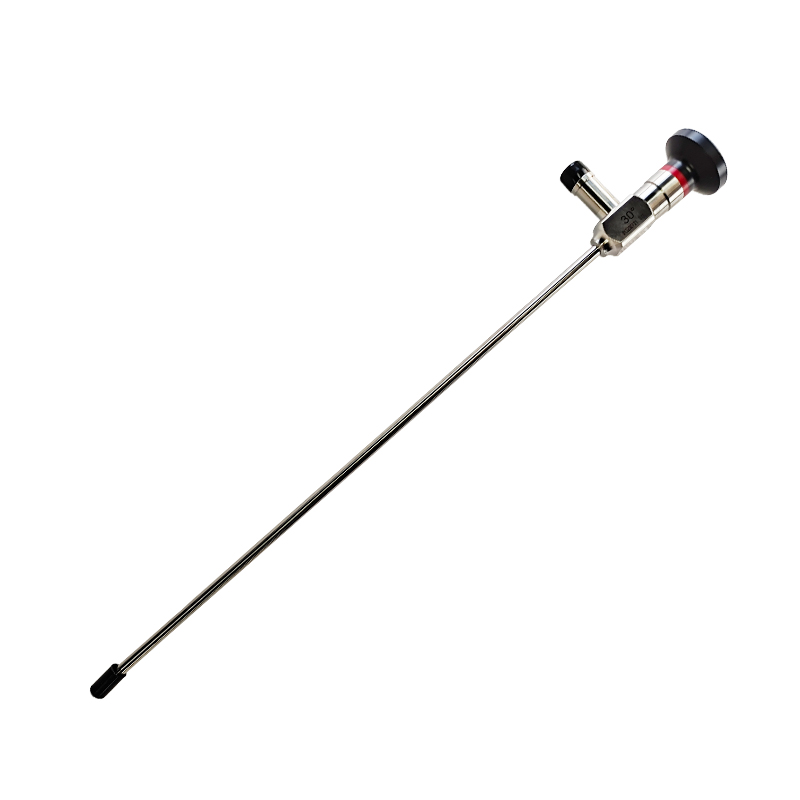
A laparoscope is a thin, flexible tube equipped with a light and a camera. It’s used in minimally invasive surgery, allowing doctors to see inside the body through small incisions. The camera transmits live images to a monitor, giving the surgeon a detailed view of the internal organs.
Traditional surgeries often require large cuts to access the abdomen, while a laparoscope allows surgeons to work through small incisions, sometimes as tiny as 1 cm. This makes laparoscopy less painful, reduces recovery time, and leaves smaller scars.
Laparoscopic surgery is a technique that uses a laparoscope to perform various operations. It is a form of minimally invasive surgery that requires only a few small cuts rather than a large incision. Surgeons can perform the same procedures as traditional surgery, such as removing organs, but with less trauma to the body. In comparison to open surgery, laparoscopic surgery leads to faster recovery and less risk of infection. It has become a preferred method for many surgeries, including gallbladder removal, appendix removal, and gynecological procedures.
Keyword Variations:
Laparoscope technology
Laparoscopic camera
Keyhole surgery tool
Laparoscopic surgery procedure
Keyhole surgery technique
A laparoscope is inserted through small incisions to provide a magnified view of the internal organs on a monitor. To create enough space for instruments, the abdomen is gently inflated with carbon dioxide gas. This separation of organs improves visibility and reduces the risk of injury.
Key Components:
Light Source: Illuminates the surgical area.
Camera: Captures high-resolution images for real-time viewing.
Fiber Optics: Transmit light for clear visibility inside the body.
Preparation: Under general anesthesia, a small incision is made and the abdomen is inflated with gas.
Insertion: The laparoscope is inserted to view organs on a monitor.
Operation: Additional small incisions may be made for surgical tools to perform tasks like biopsies or organ removal.
This minimally invasive approach allows surgeons to work precisely with less trauma to the body.
Diagnostic: Investigating unexplained abdominal pain, tumors, or infections.
Therapeutic: Gallbladder removal, appendectomy, hysterectomy, and other minimally invasive surgeries.
Smaller Incisions: Less pain, faster healing, and minimal scarring.
Shorter Recovery: Many patients go home the same day or next day.
Lower Complications: Reduced risk of infection and blood loss compared to open surgery.
While laparoscopy is generally safe, potential risks include:
Infection at the incision site.
Bleeding inside the abdomen.
Accidental Organ Injury (rare but possible).
Skilled surgeons and careful monitoring help minimize these risks.
Laparoscopy allows doctors to directly view organs when imaging like CT or MRI is unclear. It helps detect tumors, assess cancer spread, and collect tissue samples for biopsy—all with minimal discomfort and faster recovery.
Laparoscopy is a minimally invasive technique that uses a small camera to perform surgeries with fewer risks and faster recovery. Its advanced technology makes it a safe, effective option for many medical conditions. If you're considering surgery, discuss laparoscopic options with your healthcare provider for a quicker recovery.


