


Views: 0 Author: Site Editor Publish Time: 2025-11-10 Origin: Site


The gastroscopy procedure—also known as upper endoscopy or esophagogastroduodenoscopy (EGD)—is a vital diagnostic tool used to examine the upper gastrointestinal (GI) tract, including the esophagus, stomach, and duodenum (the first part of the small intestine). This procedure has become indispensable for doctors diagnosing and managing conditions such as ulcers, gastritis, reflux disease, infections, and even certain forms of cancer.
While gastroscopy is a minimally invasive procedure, it still raises important questions and concerns for patients who may need to undergo it. Many people wonder about the procedure's benefits and risks, how it is performed, and what to expect before, during, and after the test. This article will guide you through the key benefits and risks associated with gastroscopy, as well as what you can expect throughout the process.
A gastroscopy is a diagnostic procedure that allows a doctor to directly view the inner lining of your esophagus, stomach, and duodenum. The procedure involves a flexible, long tube called an endoscope, which has a small camera and light at the tip. The endoscope is passed through the mouth (or occasionally the nose) and into the upper GI tract, allowing the physician to examine the organs for abnormalities.
The gastroscopy procedure provides valuable information that helps diagnose a variety of gastrointestinal disorders. It is often used when a patient has persistent symptoms such as abdominal pain, difficulty swallowing, chronic heartburn, unexplained weight loss, or vomiting blood. The test is particularly helpful for detecting conditions such as:
Gastritis (inflammation of the stomach lining)
Peptic ulcers (open sores in the stomach or duodenum)
Gastroesophageal reflux disease (GERD)
Barrett’s esophagus (a precancerous condition related to chronic acid reflux)
Esophageal cancer, stomach cancer, or duodenal cancer
Infections, such as those caused by the bacterium Helicobacter pylori
Swallowing difficulties or blockages in the esophagus
Gastroscopy also allows for therapeutic interventions, such as taking biopsies (tissue samples) for further testing, dilating strictures (narrowed areas in the esophagus), or removing foreign objects.
Before undergoing a gastroscopy, it’s essential to understand how the procedure works and what you can expect. Here is an overview of the steps involved:
Fasting: You will be required to fast for about 6-8 hours before the procedure. This is to ensure that your stomach is empty, which allows for better visibility and reduces the risk of aspiration (when food or liquid enters the lungs).
Medications: Inform your doctor about any medications you are taking, including prescription drugs, over-the-counter medications, and supplements. Some medications, particularly blood thinners, may need to be temporarily stopped before the procedure.
Gastroscopy is usually performed under sedation or local anesthesia to make the procedure more comfortable and to minimize discomfort. The type of sedation used depends on the complexity of the procedure and the patient’s preferences or medical history.
Local anesthesia: A numbing spray or gel may be applied to the back of the throat to prevent gagging and discomfort as the endoscope is inserted.
Sedation: For most patients, moderate sedation is used. This involves an intravenous (IV) sedative that will make you feel relaxed, drowsy, and comfortable. Many people do not remember the procedure afterward.
General anesthesia: In rare cases, especially if the procedure is complex or if the patient is extremely anxious, general anesthesia may be used, causing the patient to be completely unconscious during the procedure.
Once you’re sedated, the doctor will insert the endoscope through your mouth and gently guide it into your esophagus, stomach, and duodenum. The procedure usually takes between 15-30 minutes. During the procedure, the doctor will inspect the lining of these organs and may take biopsy samples if necessary.
The endoscope transmits high-resolution images of your upper GI tract to a monitor, allowing the doctor to examine any areas of concern. If required, the doctor may also perform interventions, such as:
Removing foreign objects
Dilation of any narrowed areas (strictures) in the esophagus
Cauterizing blood vessels to stop active bleeding
After the procedure, you will be monitored for a short time as the sedative wears off. You may experience mild discomfort, such as a sore throat, bloating, or gas, but these symptoms typically resolve within a few hours.
Because the sedative will likely make you feel drowsy, it’s important to arrange for someone to drive you home after the procedure. You will need to rest for the rest of the day, and most people can return to normal activities the following day.
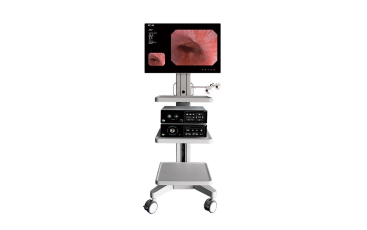
Gastroscopy offers a number of significant benefits, particularly when it comes to diagnosing and treating conditions that affect the upper gastrointestinal tract. Below are some of the key benefits of the procedure:
Gastroscopy provides doctors with direct visualization of the esophagus, stomach, and duodenum, allowing for a precise diagnosis of various conditions. It helps doctors see abnormalities that might not be detected through imaging tests like X-rays or CT scans. The ability to view tissues in real-time enhances diagnostic accuracy and helps doctors identify issues such as inflammation, ulcers, tumors, or bleeding.
Gastroscopy plays a crucial role in the early detection of gastric cancer, esophageal cancer, and duodenal cancer. By directly visualizing potential abnormalities, doctors can catch problems early, when they are more treatable. Early detection of conditions such as Barrett’s esophagus can also help prevent the development of cancer, improving patient outcomes.
In addition to diagnosing conditions, gastroscopy allows for therapeutic interventions. For instance:
Biopsy: The doctor can take small tissue samples to test for infection, cancer, or other conditions.
Treatment of Bleeding: If an ulcer or varices is causing bleeding, the doctor can use the endoscope to apply clips, cauterize the area, or inject medications to stop the bleeding.
Dilation of Strictures: If there are narrowed areas in the esophagus, the doctor can use the endoscope to stretch the area, improving swallowing.
Gastroscopy is a minimally invasive procedure, which means it doesn’t require large incisions or lengthy recovery times. Most patients are able to go home the same day and resume normal activities in a short period.
By allowing doctors to diagnose and treat certain conditions without the need for surgery, gastroscopy reduces the risk of complications, scarring, and prolonged recovery times.
While gastroscopy is generally a safe procedure, it does carry some risks, as with any medical intervention. It’s important to be aware of the potential risks so you can make an informed decision about undergoing the procedure.
Though rare, one of the most serious risks of gastroscopy is a perforation (a hole or tear) in the esophagus, stomach, or duodenum. This can occur if the endoscope accidentally punctures the lining of the digestive tract. Perforation requires immediate surgical intervention to repair the damage.
In some cases, particularly if a biopsy is taken or if there is existing bleeding, there may be some minor bleeding after the procedure. While this is usually minimal, there is a small risk of significant bleeding, particularly if the patient has certain underlying conditions, such as a bleeding disorder.
As with any medical procedure, there is a slight risk of infection. However, the risk is very low since gastroscopy is performed under sterile conditions, and the endoscope is thoroughly cleaned between uses.
Some patients may have an adverse reaction to the sedative or anesthesia used during the procedure. These reactions are rare but can include allergic reactions, breathing difficulties, or low blood pressure.
Although sedation typically makes the procedure comfortable, some people may experience a sore throat or hoarseness after the procedure. This is generally temporary and resolves within a few hours to a day.
The gastroscopy procedure is an essential diagnostic tool for detecting and managing a wide range of upper gastrointestinal conditions. It offers significant benefits, including the ability to provide accurate diagnoses, detect serious conditions early, and perform therapeutic interventions—all with minimal invasiveness and relatively low risk.
While gastroscopy is generally safe, it does carry some risks, such as perforation, bleeding, or infection. It’s important to discuss these risks with your doctor and weigh them against the benefits if you are considering undergoing the procedure. By understanding the key benefits and risks of gastroscopy, you can approach the test with confidence and take a proactive step toward better digestive health.


