


Views: 0 Author: Site Editor Publish Time: 2025-08-26 Origin: Site


Urinary system tumors, including those affecting the kidneys, ureters, and bladder, pose significant health risks if not detected early. Early diagnosis is essential for effective treatment, improved patient outcomes, and reduced complications.
Traditional diagnostic methods, such as rigid ureteroscopes and standard imaging (ultrasound or CT scans), often face limitations:
Restricted access to complex anatomy: Rigid scopes cannot reach all areas of the urinary tract, potentially leaving small or hidden tumors undetected.
Lower sensitivity for early-stage tumors: Standard imaging may miss small lesions or subtle abnormalities.
Higher patient discomfort: More invasive procedures increase trauma, recovery time, and risk of complications.
These challenges underscore the need for a more precise and minimally invasive solution.
Flexible ureteroscopes have become essential tools in modern urology, offering a minimally invasive way to examine the urinary tract with high precision. Unlike traditional rigid scopes, they can navigate complex anatomical pathways, providing clear visualization of the urinary system and enabling urologists to detect tumors at an earlier stage.
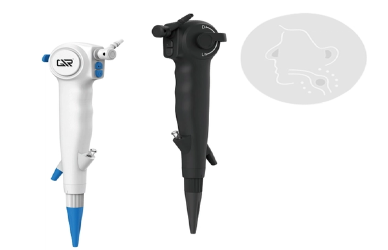
Equipped with advanced HD cameras, flexible ureteroscopes deliver clear and detailed views of the urinary tract. This enables detection of small or early-stage tumors that might be missed with conventional imaging, improving diagnostic accuracy and confidence.
The ability to bend and maneuver through the twists and turns of the urinary system ensures comprehensive examination of hard-to-reach areas, leaving no region of the kidney, ureter, or bladder overlooked during tumor evaluation.
Flexible ureteroscopes reduce patient trauma, minimize bleeding, and lower the risk of postoperative complications compared to rigid scopes or open procedures. Patients typically experience less pain and a faster recovery, making the procedure safer and more tolerable.
By providing precise visualization, flexible ureteroscopes enable earlier tumor detection, which is critical for initiating prompt and effective treatment, improving prognosis, and potentially reducing the need for more invasive interventions.
Flexible ureteroscopes are effective in identifying tumors throughout the kidney, ureter, and bladder. Enhanced visualization allows for early-stage detection, which is critical for successful treatment outcomes.
Regular surveillance of patients with a family history of urinary cancers, prior tumor occurrence, or chronic infections enables timely intervention before tumor progression.
Flexible ureteroscopes can be combined with biopsy instruments for simultaneous tissue sampling, reducing the need for multiple procedures and minimizing patient discomfort.
Their adaptable design allows safe and precise tumor evaluation for both adults and pediatric patients, especially in complex or anatomically challenging cases.
Compared with open surgery, flexible ureteroscopes reduce recovery time, procedural pain, and the risk of complications, improving overall patient compliance with diagnostic follow-ups.
Flexible ureteroscopes play a crucial role in the early detection of urinary system tumors, significantly improving patient outcomes. Their high-definition imaging, flexibility, and minimally invasive design allow for precise visualization, accurate diagnosis, and safer procedures compared with traditional rigid scopes.
By using flexible ureteroscopes, clinicians can detect small or early-stage tumors, evaluate abnormal urinary symptoms, and guide biopsies effectively, all while minimizing patient discomfort and procedural risks.
For hospitals, clinics, and healthcare professionals seeking reliable equipment, consulting specialized urology centers and trusted providers ensures access to the latest technology and tailored solutions that meet specific diagnostic and treatment needs.
Explore professional-grade flexible ureteroscopes from leading suppliers to enhance tumor detection and elevate patient care standards.


