English

 English
Views: 0 Author: Site Editor Publish Time: 2025-11-13 Origin: Site


In modern medicine, accurate diagnosis and effective treatment are paramount, especially in the field of Ear, Nose, and Throat (ENT). For ENT specialists, the flexible rhinolaryngoscope has become an indispensable tool, offering a non-invasive way to visualize the upper airway, nasal passages, and throat. Whether for routine exams, diagnosing conditions, or performing minor procedures, the flexible rhinolaryngoscope provides a level of precision and comfort that rigid scopes cannot match.
However, with many models available on the market, choosing the right flexible rhinolaryngoscope for your medical practice can be a challenging task. From factors like image quality, durability, and ease of use to the cost and maintenance of the device, several considerations must be weighed before making a purchase.
This guide will provide you with the key factors to consider when selecting the right flexible rhinolaryngoscope, along with an overview of the different types of scopes available. By the end of this article, you’ll have a better understanding of how to choose a flexible rhinolaryngoscope that best meets the needs of your practice and patients.
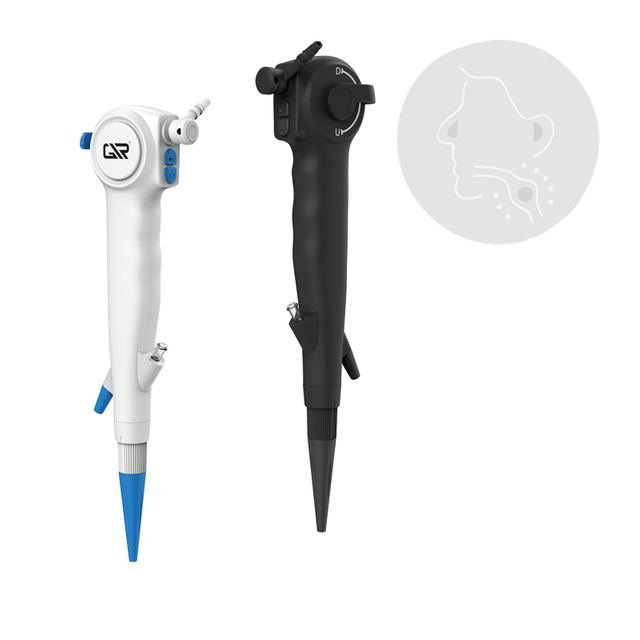
A flexible rhinolaryngoscope is an endoscopic instrument used to examine the nasal passages, sinuses, larynx (voice box), and pharynx (throat). Unlike rigid endoscopes, which are inflexible and require the physician to make specific movements to view certain areas, a flexible rhinolaryngoscope features a bendable, lightweight tube that allows it to be easily maneuvered through complex anatomical structures. The flexible scope typically has a fiber-optic camera and a light source at its tip, transmitting high-resolution images to a monitor so the doctor can assess the patient's condition in real-time.
Flexible rhinolaryngoscopes are primarily used in ENT practices for procedures such as:
Nasal and sinus examinations
Throat and laryngeal examinations
Biopsy sampling
Removal of foreign objects
Post-surgical evaluations
These devices offer numerous advantages over rigid scopes, including greater patient comfort, enhanced maneuverability, and the ability to perform real-time diagnostics and minor treatments during the same procedure.
When choosing the right flexible rhinolaryngoscope for your practice, there are several important factors to consider. These considerations will help you select a device that meets the specific needs of your patients and fits within the operational requirements of your medical facility.
One of the most crucial factors when choosing a flexible rhinolaryngoscope is the quality of the images it can produce. Since the purpose of the scope is to visualize internal structures, high-definition, clear, and sharp images are essential for accurate diagnosis and decision-making.
Key features to look for include:
Resolution: Higher resolution ensures that the image is clear, even in low-light conditions. A scope with at least HD (1080p) resolution will provide sufficient clarity for most ENT procedures.
Camera Type: Modern flexible rhinolaryngoscopes are equipped with high-definition cameras that provide clear images. Some models also feature 3D imaging for a more detailed view of the anatomy.
Lighting: Adequate lighting is critical for clear visualization. Look for scopes with LED lights that provide consistent, bright, and adjustable illumination. This is especially important when examining the dark, intricate structures of the nose and throat.
The key advantage of flexible rhinolaryngoscopes over rigid scopes is their flexibility. The scope must be able to navigate the curved and sometimes narrow passages of the nasal and throat areas with ease.
Range of Motion: The flexibility of the scope should allow for a full range of motion in all directions. Some models come with an articulating tip that can bend up to 180 degrees, giving the physician full control over the viewing angle.
Length and Diameter: Consider the length and diameter of the scope. A longer scope might be required for deeper examinations, but it should still be easy to maneuver. A smaller diameter is ideal for patient comfort, especially when performing procedures in the nasal cavity.
Look for scopes with a high level of articulation, allowing the device to navigate tight spaces and view hard-to-reach areas without discomfort or difficulty.
The comfort and ease of use of a flexible rhinolaryngoscope will significantly impact the efficiency of your procedures. A well-designed scope should allow the physician to easily maneuver the device while maintaining a stable grip.
Key ergonomic features to look for include:
Lightweight Design: The scope should be lightweight to reduce strain on the clinician’s hand during long procedures. This also ensures greater control and precision when guiding the device.
User-Friendly Controls: Ensure the scope comes with intuitive controls, including buttons to adjust the angle of the scope, image zoom, and lighting, all within easy reach of the operator.
Flexible Cable: A flexible, durable cable is essential for easy maneuvering. Look for a scope that offers high flexibility but is also built to withstand the wear and tear of frequent use.
Ergonomics is important not only for the comfort of the physician but also for ensuring that the procedure is performed accurately and efficiently, minimizing patient discomfort.
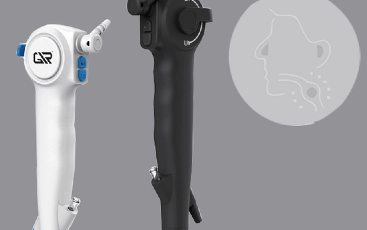
Durability is a major consideration, especially for medical instruments that are subjected to frequent use. Flexible rhinolaryngoscopes should be built to last, with high-quality materials that are resistant to damage from bending, twisting, or contact with bodily fluids.
Consider the following:
Waterproof and Cleanable: Ensure the device is easy to sterilize between uses. Waterproof scopes are necessary for quick and efficient cleaning, preventing the buildup of contaminants that could lead to infections.
Resistance to Wear: The scope should be resistant to wear and tear, particularly in the flexible tubing, which is subject to frequent bending and flexing. Scopes with reinforced materials in critical areas are likely to last longer.
Warranty and Support: Choose a device from a reputable manufacturer that offers a warranty and customer support in case of malfunctions. A solid warranty ensures that you can continue using the device for years without worrying about costly repairs.
Flexible rhinolaryngoscopes come in a wide price range, depending on the features, brand, and quality. While it’s important to stay within budget, the cost should not be the only deciding factor.
Initial Investment: While high-end models with advanced features like 3D imaging, high-definition resolution, and articulating tips might be more expensive, they often provide long-term benefits in terms of diagnostics and ease of use.
Maintenance and Longevity: Consider the long-term costs associated with the scope. A high-quality flexible rhinolaryngoscope that requires less maintenance and offers better durability might be a better investment than cheaper alternatives that may need frequent repairs or replacements.
Value-Added Features: Some flexible rhinolaryngoscopes come with additional features, such as recording capabilities, image storage, or integration with patient management systems. These features can add value to the device and improve the workflow of your medical practice.
The portability of the flexible rhinolaryngoscope is important, especially for practices that need to move the equipment between rooms or locations. Many modern scopes are compact and easy to carry, making them ideal for mobile practices or clinics with limited space.
Additionally, some scopes can be integrated with other medical devices, such as electronic medical records (EMR) or endoscopic video systems. This allows for seamless documentation of the procedure, real-time sharing of images with colleagues, and easier follow-up care.
Patient comfort should always be a top priority. Flexible rhinolaryngoscopes are inherently more comfortable than rigid scopes, but the design of the tip and the materials used in the device can further enhance comfort.
Smooth, Soft Tips: Look for a scope with a soft, smooth tip that reduces the risk of irritation or injury to the delicate tissue in the nasal passages and throat.
Smaller Diameter: A smaller diameter scope is less likely to cause discomfort during the procedure, particularly in sensitive patients, such as children or the elderly.
Choosing the right flexible rhinolaryngoscope is a critical decision for any ENT practice. By considering factors like image quality, flexibility, ergonomics, and durability, you can ensure that the device you select meets both your operational needs and the needs of your patients. Additionally, evaluating the cost-effectiveness and long-term value of the device will help you make an informed decision that fits within your budget while ensuring high-quality care.
For those looking for a reliable and durable flexible rhinolaryngoscope, Xuzhou Hengjia Electronic Technology Co., Ltd. offers a range of high-quality options designed to meet the needs of modern ENT practices. With advanced features, excellent durability, and easy-to-use controls, their flexible rhinolaryngoscopes are an ideal choice for physicians who prioritize patient comfort, diagnostic accuracy, and cost-effective medical equipment.