


Views: 0 Author: Site Editor Publish Time: 2026-01-18 Origin: Site


Think one ureteroscope is always better? The real difference is reach, control, and view stability.
We compare flexible scopes and Rigid Ureteroscopes for stones and diagnosis. You’ll learn what to ask and what changes recovery.
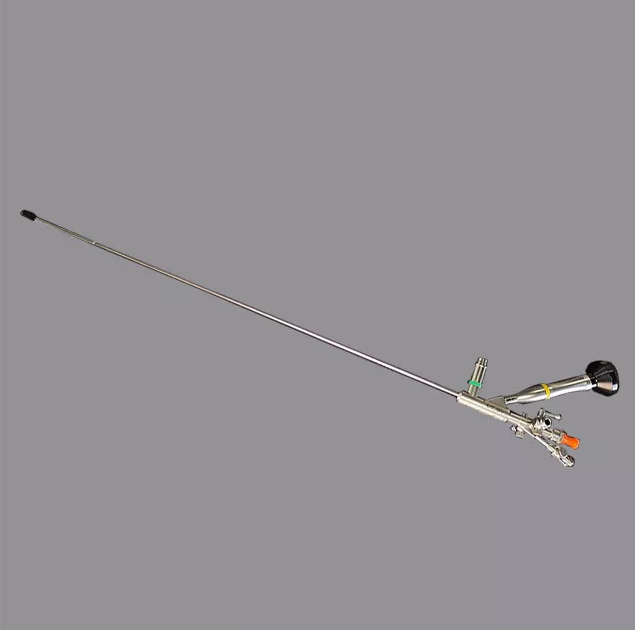
If the target is low and straight, Rigid Ureteroscopes often make sense. If the target is high or intrarenal, flexible scopes usually win. Yet details matter. The working channel, irrigation flow, and accessory load can change results. The surgeon’s plan also matters. In many hospitals, both scope types exist for this reason. The rigid ureteroscope often handles high-volume distal cases.
A rigid ureteroscope is straight and firm. It transmits torque well, so movements feel direct. This stability helps in a straight distal ureter. A flexible ureteroscope has a bendable shaft and a steerable tip. It can deflect to follow curves and reach calyces. That flexibility adds reach, but it can reduce “locked” stability. In tight turns, the tip response can depend on scope condition. Small handling differences can also change precision.
Rigid Ureteroscopes are commonly used for distal ureter targets. The path from urethra to bladder to lower ureter is more direct. Flexible scopes can travel higher in the ureter. They can also explore the renal pelvis and calyces. This reach is the main reason flexible ureteroscopy is used for many kidney stones. It also helps when stones migrate upward during treatment. For diagnostic work, reach can matter as much as treatment ability.
Every scope has a working channel. Tools pass through it, such as laser fibers or baskets. Irrigation fluid also matters. It clears blood and debris, so the view stays usable. Rigid scopes often tolerate stronger irrigation in straight segments. Flexible scopes need balance between flow and deflection. When you add tools, you may reduce flow and bend range. That can slow the case and reduce visibility. It can also increase fatigue for the operator. Many teams adjust technique to keep the field clear.
Rigid designs can hold a very steady view in a straight ureter. That steadiness supports fine control and quick decisions. Flexible scopes may use fiber-optic or digital systems. Many centers prefer a high-definition ureteroscope for intrarenal detail. Image quality depends on optics, irrigation, and debris load. It also depends on how much the tip can still deflect. Digital systems can improve clarity, but they still need good flow. When visibility drops, safety margins drop too.
Rigid ureteroscopy can be fast in simple distal cases. Navigation is simpler, so setup is lighter. Flexible ureteroscopy can take longer in complex anatomy. Steering inside the kidney needs training and practice. Tool management also becomes more demanding. Still, flexible reach can avoid other invasive routes. Many teams standardize steps to keep time predictable. Experience often reduces scope stress and complication risk.
Rigid instruments do not follow curves. In some patients, this can increase discomfort or irritation. Flexible scopes often feel less traumatic in upper-tract work. Yet they are not risk free. High irrigation pressure and prolonged manipulation can still irritate tissue. Safe outcomes depend on gentle technique and good visibility. Post-op symptoms can also depend on stent use. Communication before the case improves patient confidence.
Rigid scopes are mechanically simpler. They are often more durable in routine handling. Flexible scopes have delicate bending sections and optics. Repairs can be costly, and downtime matters. Both types can be a reusable ureteroscope in many systems. Reuse demands strict cleaning, tracking, and inspection protocols. Those workflows affect true cost more than sticker price. Service contracts and loaner programs can reduce disruption. The best value often depends on case mix and volume.
| Factor | Flexible ureteroscope | Rigid Ureteroscopes |
|---|---|---|
| Best reach | Upper ureter, renal pelvis, calyces | Distal ureter, straight access |
| Steering | Active deflection at the tip | Direct torque, no deflection |
| Image stability | Good, depends on deflection and irrigation | Very stable in straight segments |
| Tools impact | Tools can reduce deflection and flow | Tools often feel more stable |
| Typical role | Intrarenal stones, upper-tract evaluation | Distal stones, distal strictures |
| Durability | More delicate, higher repair burden | More robust, simpler maintenance |
| Cost drivers | Repairs, reprocessing, accessories | Throughput, reprocessing, staffing |
The simplest model is “location first.” Where the stone or lesion sits usually drives scope choice. Anatomy then refines the plan. Obstruction, strictures, and ureter shape can change feasibility. Imaging before the procedure helps reduce surprises. It also supports safer scope selection.
| Target area | Typical first choice | Why it often fits | Common exceptions / notes |
|---|---|---|---|
| Distal (lower) ureter | Rigid Ureteroscopes | Direct path, stable control, efficient tool handling | Narrow/tortuous ureter, edema, difficult access |
| Mid ureter | Case-dependent | Anatomy and obstruction vary | May shift to flexible if access is tight |
| Upper ureter | Flexible ureteroscope | Curves require deflection and reach | Severe narrowing may need staging or pre-stenting |
| Renal pelvis / calyces | Flexible ureteroscope | Intrarenal navigation needs active deflection | Tool load can reduce deflection and visibility |
Distal ureter stones often sit near the bladder. The path is short and relatively straight. Rigid Ureteroscopes offer strong control here. They can support quick basket work or laser fragmentation. The stable shaft can also help reduce wasted motion. This can lower total instrument time. It can also make training easier for basic cases.
Upper ureter and kidney targets need bend and reach. The renal collecting system has curves and branches. Flexible deflection helps reach calyces and corners. This is why flexible ureteroscopy is often preferred for intrarenal stones. It also supports inspection of the renal pelvis when needed. A flexible system can also help confirm stone clearance. In some cases, it reduces the need for repeat procedures.
Some ureters are narrow or tortuous. Some have strictures or swelling. In those cases, scope insertion can be harder. The surgeon may plan dilation, stenting, or staged treatment. The “best” scope depends on safe access, not theory. A planned approach matters more than the scope label. Pre-stenting can improve access in selected cases. Decisions should prioritize safety and visibility.
Specs do not guarantee outcomes. Performance depends on the full system: scope, irrigation, accessories, and technique. Visibility and pressure control are especially important. These factors also influence complication risk.
| Accessory / factor | What it improves | What it may reduce | More critical for |
|---|---|---|---|
| Laser fiber | Stone fragmentation capability | Irrigation flow, tip deflection (flexible) | Flexible ureteroscopy |
| Basket | Fragment retrieval, repositioning | Working channel space, irrigation | Both; more noticeable in flexible |
| Access sheath | Repeated passes, outflow support, workflow efficiency | Insertion demands, sizing sensitivity | Flexible ureteroscopy |
| Higher irrigation | Clearer view | Pressure-related risk if excessive | Both; intrarenal work is more sensitive |
| Longer operative time | More thorough clearance | Fatigue, irritation risk, cost | Complex flexible cases |
Irrigation keeps the field clear. It also helps remove dust and fragments. Too little flow can hide the target. Too much pressure can raise risk. Surgeons manage flow, outflow, and time. Scope design and channel size influence this balance. Good outflow can protect the kidney from high pressure. Teams often adjust settings during laser use.
Flexible scopes bend by cable or mechanism. When you add a tool, the tip may bend less. A thick laser fiber can reduce deflection more than a thin one. A basket can also limit bend range. This matters when stones sit in a lower pole calyx. It also matters when you need tight turns. It can also affect inspection completeness. Planning fiber size can improve reach and visibility.
An access sheath may help repeated scope passes. It can improve outflow and support visibility. Baskets help retrieve fragments in selected cases. Laser fibers fragment stones, but they change flow and bend. These trade-offs shape real case time and success. The plan should match the scope and target. It should also match staff experience. Standard kits can reduce setup errors and delays.
Rigid scopes shine when the anatomy is favorable and the target is distal. They deliver stable control and efficient tool use. They also support predictable workflows. Many centers use them as a first-line tool for distal stones. This is especially true in high-volume clinics.
For lower ureter stones, rigid access is often straightforward. The surgeon can maintain a stable view. Tool handling feels direct and firm. This can shorten the procedure in many routine cases. It can also simplify stone retrieval decisions. It may reduce the need for repeated repositioning. In some cases, it supports faster discharge.
Some distal ureter strictures need evaluation and treatment. A rigid ureteroscope can help assess the lumen and the narrowing. It may also support certain interventions, depending on the plan. The key is safe passage and clear visibility. Careful technique reduces mucosal trauma. Good visualization supports better clinical decisions.
Clinics often care about throughput and uptime. Rigid Ureteroscopes can support routine distal cases efficiently. They can also reduce repair frequency in heavy use settings. When a service line has many distal stones, rigid equipment may improve operational stability. It can also reduce training burden for basic workflows. Inventory planning becomes simpler too.
Flexible scopes matter when reach is the limiting factor. They allow intrarenal navigation and inspection. They can also reduce the need for more invasive routes. For many kidney stone programs, they are essential. They also support upper tract evaluation.
Kidney stones can sit in calyces. Many calyces need a bend to access. Flexible deflection makes this possible. A flexible scope can also relocate stones to easier positions. Still, tool choice can limit deflection, so planning matters. Lower pole stones often challenge deflection most. Technique and fiber choice can improve access.
Flexible ureteroscopes can inspect the upper tract. They can visualize suspicious areas in the renal pelvis and upper ureter. They may also support targeted biopsy in selected situations. The value is reach plus controlled visualization. A high-definition ureteroscope can help identify subtle changes. Clear imaging supports better sampling decisions.
Some patients have difficult anatomy. Flexible navigation can help in those cases. Yet complexity raises demands on skill and setup. It also raises the value of a consistent team workflow. Equipment condition and reprocessing quality become more important. Planning for staging can improve safety. Clear protocols reduce preventable delays.
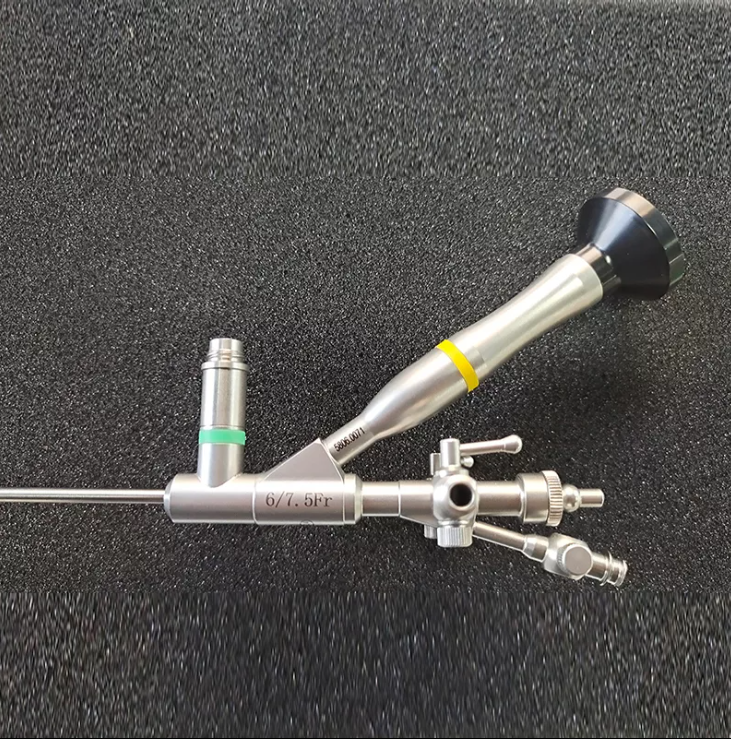
For clinics, maintenance can decide which technology is sustainable. Reprocessing quality also affects patient safety. A reusable program needs discipline and tracking. This matters for both rigid and flexible devices. It also affects audit readiness.
| Cost driver | Typical tendency in Rigid Ureteroscopes | Typical tendency in flexible scopes | What to track |
|---|---|---|---|
| Repair frequency | Often lower | Often higher due to delicate parts | Repairs per 100 cases |
| Downtime impact | Usually smaller | Can be significant | Days out of service |
| Reprocessing effort | More straightforward | More demanding, stricter handling | Reprocessing time per cycle |
| Accessory spend | Often lower in distal cases | Often higher in intrarenal cases | Accessory cost per case |
| Training burden | Lower for basic distal workflows | Higher for intrarenal navigation | Competency time to independence |
Flexible scopes have more channels and delicate parts. Cleaning must remove bioburden from narrow spaces. They also need careful drying and storage. Process variation increases risk. Staff training and audit routines matter. Tracking cycles supports accountability. It also helps identify failure points.
Rigid scopes are often more tolerant of minor handling errors. Flexible scopes can suffer damage to the bending section or optics. Repairs can take time, which affects scheduling and revenue. Spare inventory or service contracts can reduce disruption. Preventive checks can reduce unexpected failures. Proper transport and storage reduce damage.
Total cost includes more than device price. It includes accessories, service, labor, and downtime. It also includes training time and reprocessing capacity. Flexible capability may justify higher costs for intrarenal service lines. Rigid systems may fit distal-focused programs better. Many centers run both, based on case mix. A balanced fleet can improve resilience. It can also protect scheduling under repairs.
This section helps readers ask better questions. It also helps teams align on selection logic. Use it during consults or procurement reviews. A shared checklist reduces confusion. It also supports consistent patient messaging.
Ask where the target sits. Distal ureter targets often match Rigid Ureteroscopes well. Proximal or intrarenal targets often need flexible deflection. If diagnosis or biopsy is the goal, reach and visualization matter most. A rigid ureteroscope may still be used for distal evaluation. The goal defines the toolset.
Ask if a laser will be used. Ask fiber size and fragmentation plan. Ask if a basket will retrieve fragments. Ask if an access sheath is planned. These details change visibility, time, and success. They also change scope stress and repair risk. They also affect staffing and turnover time. Good planning reduces rework and surprises.
Ask how often the team performs each case type. Experience influences efficiency and safety. Facility capability matters too. Reprocessing capacity and repair support can limit real availability. A great scope still fails without a good system around it. Training plans can protect outcomes during growth. Standard operating procedures improve consistency.
Flexible and rigid ureteroscopes trade reach for stability. Rigid Ureteroscopes fit many distal cases. Flexible scopes reach the upper tract and calyces. The best choice depends on location, anatomy, tools, and team skill. It aligns safety, cost, and recovery.HENGJIA adds value through reliable ureteroscopes and responsive service, helping clinics balance performance, durability, and workflow efficiency.
A: Rigid Ureteroscopes are straight and stable; flexible ones deflect for intrarenal reach in a urological endoscope system.
A: Rigid Ureteroscopes often fit distal ureter work where direct control matters in a minimally invasive ureteroscope approach.
A: Rigid Ureteroscopes give a steady view; flexible models may use a high-definition ureteroscope camera for calyces.
A: Rigid Ureteroscopes are often more durable; a reusable ureteroscope program lowers cost with strict reprocessing.
A: Tools can cut flow and deflection; Rigid Ureteroscopes are less affected because the channel stays stable.


