
 English

 English
Views: 0 Author: Site Editor Publish Time: 2025-08-11 Origin: Site


Have you ever wondered how doctors can perform surgeries with minimal cuts? The laparoscope, a key tool in modern medicine, is revolutionizing surgery with its ability to provide clear internal views through small incisions. In this post, we'll explore what a laparoscope is, its purpose, and its importance in both diagnosing and treating various medical conditions. You'll learn how this device has transformed minimally invasive surgery and why it's so essential today.
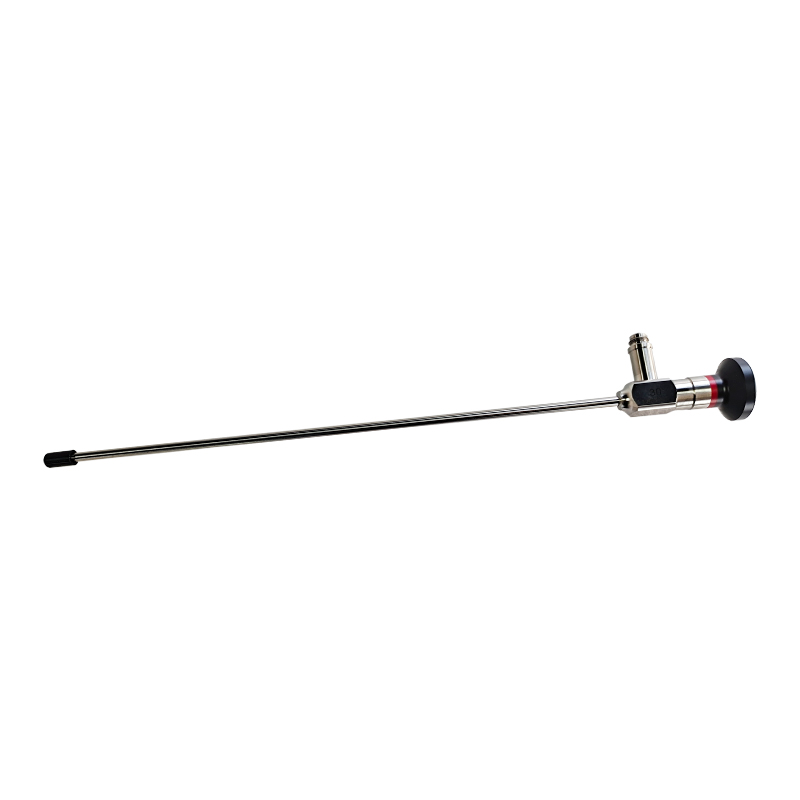
A laparoscope is a long, thin tube used in minimally invasive surgery. It has a small camera and a light at the tip, allowing surgeons to view internal organs clearly on a video monitor. This tool helps doctors diagnose and treat conditions without the need for large incisions.
The laparoscope works by transmitting images from inside the body to a screen. Surgeons insert it through a small incision, typically near the belly button. The camera at the tip captures detailed images of internal structures, making it easier to identify issues like tumors, infections, or injuries.
To insert the laparoscope, surgeons first make a tiny incision near the belly button. They then pump a small amount of carbon dioxide into the abdomen, creating space between the organs. This inflation helps the laparoscope travel smoothly, providing a clear view of the organs for diagnosis and treatment.
Laparoscopes are often used to diagnose conditions in the abdomen and pelvis. They allow doctors to get a clear view of organs without large incisions. Surgeons can use it to check for conditions like:
Endometriosis
Pelvic inflammatory disease
Liver and ovarian cancer
Unexplained abdominal painThis tool helps identify problems more accurately, which can lead to faster treatment.
Laparoscopes aren’t just for diagnosing. They also play a vital role in treating medical conditions. Some common treatments include:
Organ removal: Such as the appendix, gallbladder, or ovaries.
Hernia repair: Fixing abdominal wall weaknesses.
Biopsy collection: Taking tissue samples for further testing.
Using a laparoscope for these procedures means smaller cuts, less pain, and a quicker recovery.
In bariatric (weight loss) surgery, laparoscopes are commonly used. Procedures like gastric bypass and sleeve gastrectomy can be done with a laparoscope. These surgeries help reduce the size of the stomach, making patients feel full with smaller portions. The minimally invasive approach leads to:
Less pain
Shorter recovery times
Smaller scars
This has made laparoscopic surgery a popular choice for treating obesity.
Yes, laparoscopes are also used in fertility treatments. They help diagnose and treat conditions that affect a woman’s ability to get pregnant, such as:
Blocked fallopian tubes
Fibroids
EndometriosisBy addressing these issues, laparoscopes can improve fertility and increase the chances of pregnancy.
Laparoscopic surgery is often chosen over traditional surgery because it offers several advantages. Some of the key benefits include:
Smaller incisions: This means less trauma to the body.
Less pain: Smaller cuts mean less tissue damage, leading to less discomfort.
Quicker recovery times: Patients usually heal faster and return to daily activities sooner.
Shorter hospital stays: Many laparoscopic surgeries are done on an outpatient basis, reducing the need for extended hospital stays.
Laparoscopy significantly lowers the risk of complications, such as:
Infections: Smaller incisions mean fewer chances for infections to develop.
Adhesions: Reduced tissue damage helps minimize the risk of scar tissue forming.
Blood clots: With less physical trauma, there’s a lower chance of blood clots compared to open surgery. This makes laparoscopic surgery safer and easier for patients to recover from.
Laparoscopic surgery is a carefully planned procedure. Here’s what to expect:
Anesthesia: The first step is general anesthesia, which puts you to sleep so you won’t feel any pain.
Small incisions: The surgeon makes tiny cuts, usually near the belly button, to insert the laparoscope.
Inflating the abdomen: Carbon dioxide gas is used to inflate the abdomen, creating space for the surgeon to see clearly.
Inserting the laparoscope: A thin tube with a camera at the tip is inserted to view your internal organs.
Additional tools: If needed, more small cuts are made to insert other instruments for surgery or tissue collection.
After laparoscopic surgery, you may experience a few common side effects, including:
Bloating: The gas used to inflate the abdomen can cause discomfort and bloating.
Shoulder pain: This is a common side effect due to the gas irritating the diaphragm.
Nausea: You might feel a little queasy as the anesthesia wears off. These side effects are typically mild and go away after a few days.
The length of a laparoscopy procedure depends on the type of surgery. Here’s what you can expect:
Diagnostic procedures: These usually take about 30 minutes to an hour.
Surgical procedures: More complex surgeries can take several hours, depending on the condition being treated. Your surgeon will provide a more accurate time estimate based on your specific procedure.
How is a laparoscope used for detecting cancers?
Explaining the role of laparoscopes in diagnosing and staging cancers, especially in the abdomen, pelvis, and reproductive organs. It can be used to collect biopsy samples for further analysis.
What is laparoscopic surgery used for in gynecological conditions?
Discussing the use of laparoscopes for diagnosing and treating gynecological issues such as ectopic pregnancies, uterine fibroids, ovarian cysts, and endometriosis.
Can laparoscopes be used in gastrointestinal disorders?
Exploring how laparoscopes help diagnose and treat conditions like hernias, ulcers, and gastrointestinal cancers.
Recovery time depends on the complexity of the surgery. Here's what to expect:
Diagnostic laparoscopy: Recovery is quick. Most people can return to normal activities within 2–3 days.
Minor surgeries (e.g., appendix removal): Recovery can take about 1–2 weeks.
Complex surgeries (e.g., organ removal or weight loss surgery): Full recovery may take 4–6 weeks. You’ll be able to go home on the same day or the next day, depending on your procedure.
To recover well, follow these tips:
Take pain relief: Use paracetamol or ibuprofen as needed.
Stay hydrated: Drink plenty of fluids to keep your body well-hydrated.
Move gently: Light walking can help with recovery, but don’t overdo it.
Avoid alcohol and smoking: These can slow healing.
No heavy lifting or intense exercise: For at least 2 weeks, avoid activities that strain your body.
Don’t bathe: Keep your incision sites dry for the first 24 hours; avoid soaking in a bath. These tips help speed up recovery and reduce the risk of complications.
While laparoscopic surgery is generally safe, there are some risks to be aware of, including:
Bleeding: Small blood vessels may get damaged during surgery, leading to bleeding.
Injury to organs: Although rare, nearby organs (such as the bladder or bowel) can be accidentally damaged.
Damage to blood vessels: The tools used in laparoscopic surgery can sometimes cause damage to blood vessels.
Complications from anesthesia: Some patients may have a reaction to anesthesia, leading to issues like nausea or dizziness. Surgeons take great care to minimize these risks during surgery.
Most laparoscopic surgeries go smoothly. However, some complications, though rare, can occur, such as:
Switching to open surgery: If the laparoscopic procedure becomes too difficult, the surgeon might need to make a larger incision to complete the surgery.
Injury to nearby organs: In rare cases, nearby organs or structures might be accidentally harmed.
Infections: Though uncommon, infections can develop at the incision site or internally. These complications are rare, but it's important to discuss any concerns with your doctor before surgery.
Laparoscopes are vital tools in modern medicine, transforming both diagnosis and treatment. They enable doctors to perform less invasive procedures with quicker recovery times. If you're considering laparoscopic surgery, it’s important to consult your doctor. They can help determine if it’s the right option based on your health needs and the specifics of your condition.
A: Laparoscopic surgery is generally safe, with low complication rates. The procedure involves minimal risk, making it a preferred option for many surgeries.
A: Laparoscopic surgery is not suitable for every condition. It may not be feasible for complex cases or when a patient's health status prevents its use.
A: The cost of laparoscopic surgery varies based on the procedure, location, and insurance coverage. Generally, it's more cost-effective than traditional surgery due to shorter hospital stays and quicker recovery.


