


Views: 0 Author: Site Editor Publish Time: 2025-08-11 Origin: Site


Have you ever wondered how kidney stones are treated with minimal invasion? Flexible ureteroscopes have revolutionized urology, offering precision and safety. Understanding this tool is essential for anyone seeking non-invasive treatment options for urinary issues. In this article, we’ll discuss what a flexible ureteroscope is, its role in kidney stone treatment, and how it works. You’ll also learn about its advantages over other methods and the future of flexible ureteroscopy in medical procedures.
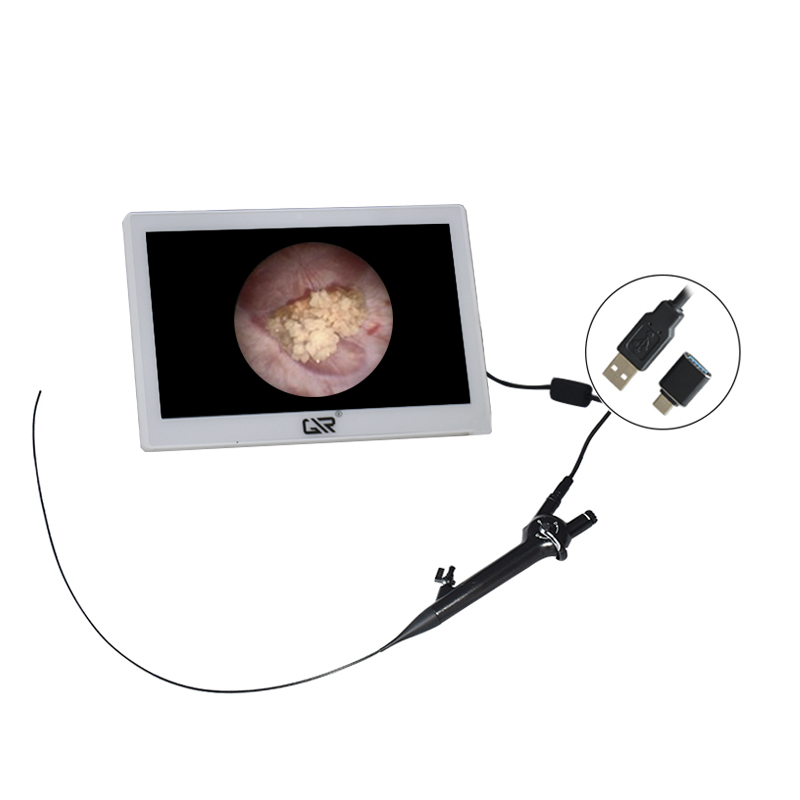
A flexible ureteroscope is a specialized medical instrument used in urology. It helps doctors examine and treat conditions in the urinary tract, particularly the kidneys, ureters, and bladder. The device uses advanced fiber-optic technology, offering high-quality imaging through either digital or fiber-optic systems. This allows doctors to see inside the body clearly without needing major surgery. The ureteroscope’s miniaturized design makes it flexible and easy to maneuver, even in tight spaces within the urinary tract. This flexibility is crucial when treating problems like kidney stones or ureteral blockages. Flexible ureteroscopy plays a key role in urology, especially for treating kidney stones (urolithiasis). It provides a minimally invasive way to diagnose and treat urinary tract conditions. Patients benefit from less pain and quicker recovery compared to traditional surgical methods.
A flexible ureteroscope is a key tool used by doctors to access the urinary tract. It’s inserted through the urethra, passed into the bladder, and navigated up into the ureter to reach the kidneys. This procedure is typically used for diagnosing conditions like kidney stones or ureteral obstructions and performing treatments such as laser lithotripsy to break down stones.
Light source: The ureteroscope has a light source, ensuring clear visibility of the urinary tract during procedures.
Camera system (digital vs fiber-optic): It uses a camera to send real-time images to the doctor, aiding in precision. The imaging system can be fiber-optic or digital, depending on the model.
Deflection mechanism: The active deflection system lets the doctor maneuver the scope precisely inside the body. The tip can bend up to 270 degrees, helping doctors reach difficult areas.
Working channel: This channel allows the insertion of tools, like laser fibers or stone baskets, to treat conditions.
Insertion: The ureteroscope is carefully inserted through the urethra and guided into the bladder.
Navigation: It’s then maneuvered through the bladder into the affected ureter or kidney.
Treatment: Once in place, the doctor uses the ureteroscope to either visualize stones or remove them with tools like lasers or baskets. This tool’s precision makes it ideal for treating urinary tract conditions with minimal invasiveness.
A flexible ureteroscope is designed for precision and ease of use. Here are some of its key features:
Small diameter for easy access to ureters
Flexible ureteroscopes typically have an 8F tip diameter, making them less invasive. This small size allows them to access narrow or difficult-to-reach areas within the urinary tract.
Active deflection and maneuverability
Modern ureteroscopes offer up to 270 degrees of deflection at the tip. This feature provides excellent maneuverability, allowing doctors to navigate the ureter and kidney with precision.
High-quality imaging capabilities (digital vs fiber-optic)
Digital ureteroscopes provide better image clarity compared to older fiber-optic models. This allows doctors to make accurate diagnoses and perform more effective treatments.
Durable and lightweight design for ease of use
Thanks to miniaturization and advanced materials, modern ureteroscopes are both lightweight and durable. This makes them easier to handle during procedures while ensuring they can withstand repeated use. These features make flexible ureteroscopes ideal for minimally invasive treatments and accurate diagnoses in urology.
Origins of flexible ureteroscopy (from rigid ureteroscopes to flexible ones)
Early ureteroscopes were rigid and bulky, limited in flexibility. The transition to flexible ureteroscopes began in the 1980s with advances in fiber-optic technology.
Milestones in flexible ureteroscopy technology
Development of active deflection and miniaturized imaging systems in the 1990s
Introduction of flexible ureteroscopes with high-definition digital imaging in 2006
Evolution of image transmission technology:
From lens-based to fiber-optic and digital imaging, improving the precision of procedures and overall patient outcomes.
How flexible ureteroscopes are used in the treatment of kidney stones
Flexible ureteroscopes are commonly used for removing or fragmenting kidney stones. This is especially effective for stones located in the ureter or kidney pelvis.
Laser lithotripsy for stone fragmentation
One of the key techniques used with flexible ureteroscopes is laser lithotripsy. The laser is used to break down large stones into smaller, manageable pieces. These fragments can then be easily removed or passed in the urine.
Advantages of flexible ureteroscopy over other methods like SWL and PCNL
Flexible ureteroscopy has several benefits compared to other treatments like SWL (Shock Wave Lithotripsy) and PCNL (Percutaneous Nephrolithotomy). It is minimally invasive, requires smaller incisions, and typically has a lower complication rate.
Success rates and patient outcomes
Success rates for flexible ureteroscopy are generally high, with many patients achieving a stone-free status after the procedure. The minimally invasive nature of the treatment leads to faster recovery and less pain for patients. Flexible ureteroscopy provides a safe and effective option for treating kidney stones, offering precision and minimal invasiveness.
Use of flexible ureteroscopes in diagnosing ureteral obstructions or strictures
Flexible ureteroscopes are great for diagnosing ureteral obstructions or narrowing (strictures). By looking directly at the ureter, doctors can find blockages that cause pain or urinary issues and plan effective treatments.
Treatment of upper urinary tract urothelial cancers
Ureteroscopes also play a role in treating upper urinary tract urothelial cancers. They allow doctors to perform biopsies and treat cancer without the need for open surgery, offering a minimally invasive approach.
Endoscopic management of ureteropelvic junction obstructions
The ureteropelvic junction is where the ureter meets the kidney, and blockages here can lead to kidney damage. A flexible ureteroscope can both diagnose and treat these obstructions, reducing the need for more invasive procedures.
Special considerations for using flexible ureteroscopes in pediatric urolithiasis
Pediatric patients with kidney stones can be treated effectively with flexible ureteroscopy, even in younger children, with minimal risk of complications.
Treatment of urolithiasis in pregnant patients with flexible ureteroscopes
Flexible ureteroscopy is considered safe for treating kidney stones during pregnancy, as it minimizes the need for radiation or invasive surgery, which could harm the fetus.
Minimally invasive nature: smaller incisions, faster recovery
Flexible ureteroscopy is minimally invasive, meaning it requires smaller incisions. This results in less pain and quicker recovery compared to more invasive procedures like PCNL (Percutaneous Nephrolithotomy).
High success rates in stone-free status after procedures
Due to its precision, flexible ureteroscopy achieves a high stone-free rate. It can directly treat and remove stones, leading to successful outcomes for many patients.
Reduced complication rates compared to other methods like PCNL and SWL
Compared to treatments like SWL (Shock Wave Lithotripsy) and PCNL, flexible ureteroscopy has a lower complication rate. It poses less risk of kidney damage, bleeding, or infection.
Real-time imaging for precision during procedures
Digital imaging allows surgeons to view the exact location of stones in real-time, enhancing the precision of treatments. This improves the chances of successful stone removal.
Lower risk of kidney or ureteral damage
Thanks to its maneuverability and precise navigation, flexible ureteroscopy reduces the likelihood of causing damage to the kidney or ureter, which can happen with other procedures.
Limitations with larger stones (e.g., stones > 2 cm)
Flexible ureteroscopy is less effective for larger stones. Stones greater than 2 cm may require alternative treatments like PCNL or multiple procedures for removal.
Potential need for multiple procedures for larger or complex stones
Stones that are large or located in tricky spots may require several attempts or a combination of treatments to reach stone-free status.
Risk of complications such as infection, bleeding, or ureteral injury
While complications are rare, there are still risks involved. These include infection, bleeding, or injury to the ureter during the procedure.
Equipment fragility and repair costs
Flexible ureteroscopes are expensive and can be prone to damage. After multiple uses, they may require repairs or even replacement.
Higher costs of flexible ureteroscopy compared to other methods
The procedure itself is generally more expensive than alternatives like SWL (Shock Wave Lithotripsy). This is due to the advanced technology and expertise required.
Ongoing advancements in digital ureteroscopy
Digital imaging technology is constantly improving, making ureteroscopic images clearer and more detailed. This means doctors can better visualize and treat kidney stones and other urinary tract issues.
Innovations in image quality, deflection capabilities, and durability
The future of flexible ureteroscopy will include even smaller, more flexible scopes. New deflection mechanisms will allow for more precise navigation, and improved materials will make these tools last longer.
The potential role of robotic-assisted flexible ureteroscopy
Robotic assistance could enhance the precision of flexible ureteroscopy. It would reduce surgeon strain, particularly during long procedures, making the whole process more efficient and accurate.
Future trends in the treatment of urolithiasis with flexible ureteroscopy
As the technology improves, flexible ureteroscopy may become the first-choice treatment for kidney stones, even larger stones that traditionally required more invasive methods like PCNL.
How SWL works compared to flexible ureteroscopy
SWL uses shock waves to break stones into smaller pieces. In contrast, flexible ureteroscopy directly manipulates and removes stones, allowing for more targeted treatment.
Pros and cons of SWL vs. flexible ureteroscopy
Flexible ureteroscopy offers better precision, especially for stones in difficult-to-reach areas. However, SWL is non-invasive, making it less painful but less effective for larger or hard-to-reach stones.
Difference between flexible ureteroscopy and PCNL
PCNL is a more invasive procedure, usually for larger stones. It requires an incision in the back to remove stones. On the other hand, flexible ureteroscopy is minimally invasive, typically used for smaller stones in the ureter or kidney.
Flexible ureteroscopy is a significant advancement in urology. It offers high precision and is minimally invasive, making it an excellent option for treating kidney stones and other urinary tract issues. It’s especially useful when other treatments like SWL or PCNL are not effective. As technology continues to improve, flexible ureteroscopy will likely play a larger role in treating urological conditions, becoming the preferred method for kidney stone removal and other treatments.
A: Flexible ureteroscopy is primarily used to diagnose and treat kidney stones, ureteral obstructions, and other urinary tract conditions.
A: The procedure typically takes 30 minutes to 1 hour, depending on the complexity of the treatment.
A: Flexible ureteroscopy is minimally invasive, requires smaller incisions, and provides precise treatment, resulting in quicker recovery.
A: Yes, flexible ureteroscopy is considered safe for pregnant women, as it avoids radiation and requires minimal intervention.


