


Have you ever wondered how doctors diagnose bladder problems or urinary tract infections? A cystoscope is a key tool in modern urology that helps doctors detect these issues. In this article, we’ll explore what a cystoscope is, its importance in diagnosing urinary tract conditions, and the different types available. You’ll learn how this tool helps detect bladder cancer, stones, and infections.
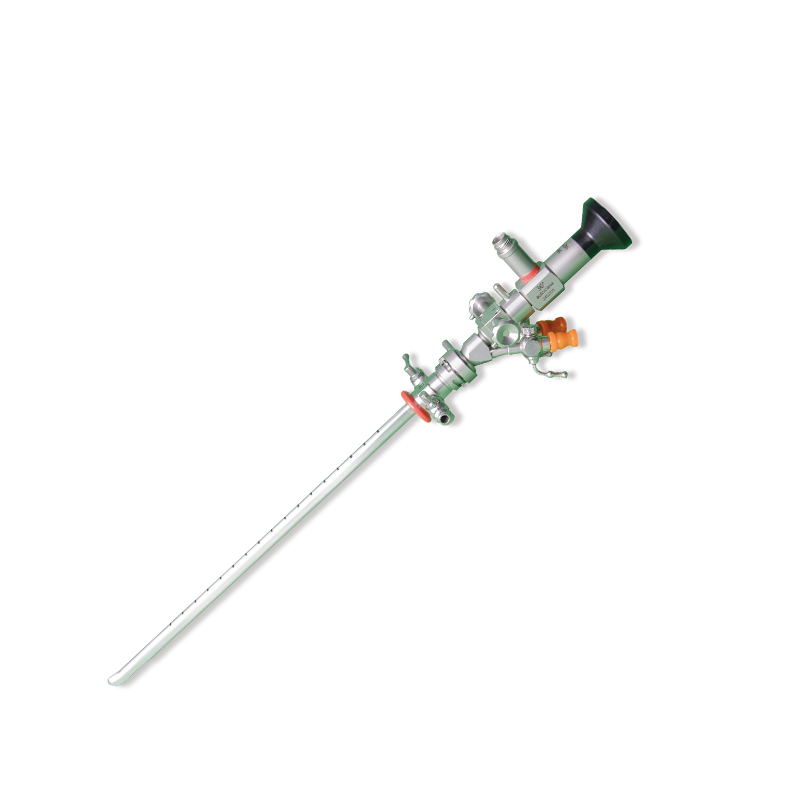
A cystoscope is a medical instrument used to examine the bladder and urethra. It's a long, thin tube that allows doctors to look inside these organs using a camera and light. There are two main types of cystoscopes:
Flexible cystoscopes: These are bendable and usually used in outpatient settings for comfort.
Rigid cystoscopes: These don’t bend and are typically used in hospitals for more detailed examinations or surgeries. The cystoscope has a light, camera, and a tube that helps doctors see inside the bladder and urethra. Flexible cystoscopes are ideal for quick procedures, while rigid ones are best for more in-depth diagnostics and treatments.
A cystoscope serves both diagnostic and therapeutic purposes. It helps doctors diagnose various urinary tract issues like bladder infections, bladder cancer, and urinary tract blockages. Some common reasons for using a cystoscope include:
Investigating blood in urine or frequent UTIs.
Diagnosing bladder cancer or other growths.
Assessing bladder stones or strictures. Cystoscopes aren’t just for diagnosis. They can also be used to treat certain conditions, such as removing bladder stones or taking biopsies from abnormal tissue. They can also treat specific bladder issues directly, like using medication to stop urine leakage.
The cystoscope is inserted through the urethra, which is the tube that carries urine from your bladder. It gently slides into the bladder, allowing the doctor to view the inside using a high-definition camera.
Insertion: The doctor applies a numbing gel to the urethra to minimize discomfort. Then, the cystoscope is carefully inserted.
Examination: Once in place, the cystoscope's camera transmits real-time images to a monitor. The doctor can closely examine the bladder and urethra for any abnormalities like tumors, stones, or infections.
Additional Features: Some cystoscopes use saline to expand the bladder, helping the doctor see more clearly. These high-definition images allow the urologist to make accurate diagnoses, whether it’s identifying a tumor, stone, or another issue.
There are two main types of cystoscopes, each with different uses and advantages:
Flexible Cystoscopes:
These are bendable and more comfortable for patients.
Often used in outpatient settings, allowing for quicker procedures.
Ideal for less invasive tests and routine check-ups.
Rigid Cystoscopes:
Stiff and used in hospitals for more detailed examinations.
Often needed for surgeries or biopsies, as they can handle additional instruments.
Commonly used for tumor removal or other surgical procedures. Rigid cystoscopes can also assist in removing stones or taking tissue samples, making them useful for more complex treatments.
A cystoscope plays a crucial role in diagnosing various bladder and urinary tract conditions. It provides doctors with a clear view of the bladder, urethra, and surrounding areas. Some common conditions diagnosed include:
Bladder Cancer: The cystoscope can detect early signs of cancer or growths in the bladder.
Bladder Stones and Polyps: It helps identify stones or abnormal tissue that might cause pain or blockages.
Urethral Strictures and Fistulas: The cystoscope helps doctors spot narrowing or abnormal passages that might cause issues.
Painful Urination or Blood in Urine: It can also be used to investigate the cause of discomfort or unusual symptoms in the urinary tract. Cystoscopy is especially helpful in confirming conditions like bladder cancer, chronic urinary tract infections (UTIs), and disorders affecting bladder function, such as interstitial cystitis.
Beyond diagnosis, cystoscopes are often used to treat various conditions. Some common therapeutic uses include:
Biopsy: The cystoscope allows doctors to take tissue samples from abnormal areas for further examination.
Removing Bladder Stones or Blockages: If stones are detected, the cystoscope can help remove them without requiring surgery.
Treating Bladder Conditions: Doctors can use the cystoscope to apply medication or treat issues like bladder inflammation or narrowing of the urethra. The cystoscope is a versatile tool, enabling treatment for simple conditions like bladder stone removal, as well as more complex procedures like dilating urethral strictures.
Before your cystoscopy, you’ll receive some instructions from your doctor. You may be asked to fast for a certain period, especially if sedation is used. It’s also common for your doctor to recommend stopping certain medications temporarily. In some cases, you might need to provide a urine sample before the procedure. It’s crucial to inform your doctor about any allergies or medications you're currently taking, as these could affect the procedure.
Additional Information: If you have a urinary tract infection (UTI), your doctor may treat it first to prevent complications during the cystoscopy.
During the procedure, your healthcare provider will apply a numbing gel to your urethra. This reduces any discomfort when the cystoscope is inserted. The cystoscope, a thin tube with a light and camera, will be carefully inserted into the urethra and moved into the bladder. You may feel some pressure or mild discomfort, and the sensation of needing to urinate is common. To help doctors get a better view, saline is often used to gently expand the bladder.
Additional Information: The cystoscope transmits real-time images to a monitor, allowing your doctor to examine the bladder and urethra.
After the cystoscopy, you may feel a bit sore, and some blood-tinged urine is normal. It’s also common to feel a frequent urge to urinate for the first day or so. Your doctor may recommend drinking plenty of water to flush out the bladder and ease any discomfort. You might be prescribed antibiotics to prevent infections.
Additional Information: Most patients go home the same day. However, if other procedures were done during the cystoscopy, you may need to stay for a short observation period.
Like any medical procedure, cystoscopy comes with some risks. Although it’s generally safe, complications can occur. Some common risks include:
Infections (UTI): The procedure can sometimes introduce bacteria into the urinary tract, leading to a urinary tract infection.
Bladder Spasms and Cramps: You may experience cramps or bladder spasms after the procedure.
Injury to the Bladder or Urethra: In rare cases, the cystoscope can cause damage to the bladder or urethra, like scarring or perforation. These risks are uncommon, but they can occur, especially if the procedure is more invasive.
To reduce the risk of complications, there are a few things you can do:
Follow Pre-procedure Instructions: Make sure to follow any instructions your doctor gives you, such as fasting or stopping certain medications.
Discuss Your Medical History: Let your doctor know about any existing conditions or medications, as this helps them plan the procedure more safely.
Additional Information: The chances of complications are low, but by following your doctor’s guidelines and being open about your health, you can further minimize the risks.
During a cystoscopy, you might feel some mild discomfort. Many patients report a sensation of urgency to urinate, which is normal.
Discomfort: While the cystoscope is being inserted, some mild pressure or slight discomfort may occur.
Use of Anesthesia: Doctors apply numbing gel to the urethra to reduce discomfort. In some cases, sedatives may be used for added comfort.
Recovery: After the procedure, you might feel a bit sore. Some blood-tinged urine or frequent urination is also common.
Additional Information: Most people experience only mild discomfort. However, if pain continues or if you have trouble urinating, it’s important to talk to your doctor right away.
A typical diagnostic cystoscopy usually takes between 5 to 10 minutes. During this time, your doctor will insert the cystoscope and examine the bladder and urethra. If additional procedures are needed, like taking a biopsy or treating a condition, the time may increase.
Biopsies: Removing tissue samples can add a few extra minutes to the procedure.
Treatments: If your doctor performs treatments, like removing bladder stones, this could take longer.
Additional Information: Most cystoscopies are quick, but if more extensive treatments are required, the procedure could take up to 20 minutes or longer.
Cystoscopy offers several benefits when diagnosing and treating urinary tract issues:
Less Invasive: Unlike other bladder examinations, cystoscopy requires only a small tube and is much less invasive.
Quick and Precise: It provides fast, accurate results, allowing doctors to diagnose issues in real-time.
Minimal Recovery Time: Compared to surgery, cystoscopy involves a quick recovery, often with little downtime.
Additional Information: Cystoscopes offer real-time visualization of the bladder, enabling immediate diagnosis and treatment. Other methods may require follow-up procedures, making cystoscopy a more efficient option.
Cystoscopy is often recommended when other diagnostic methods don’t provide clear answers. Some common conditions or symptoms that may require a cystoscopy include:
Blood in Urine: If you notice blood in your urine, a cystoscopy can help find the cause.
Difficulty Urinating: Trouble emptying the bladder completely might need further examination.
Frequent UTIs: If urinary tract infections keep coming back, cystoscopy can help rule out underlying causes. Cystoscopy is also used after surgeries or injuries near the urinary tract to ensure everything has healed properly.
Additional Information: If symptoms like blood in the urine continue without a diagnosis, or when other treatments have failed, a cystoscopy is often the next step.
Before your cystoscopy, there are a few things you should do to ensure the procedure goes smoothly:
What to Bring: Bring your ID, insurance information, and any medical records your doctor may need.
What to Expect: You might be asked to fast for several hours before the procedure, especially if sedation will be used. Your doctor may also advise stopping certain medications temporarily.
Arrangements for Post-Procedure: If you're going to be sedated during the cystoscopy, make sure to arrange transportation. You won’t be able to drive yourself home afterward.
Additional Information: It's very important to have someone drive you home if you’re receiving sedation. You may still feel groggy even after the procedure.
During the cystoscopy, the urologist will look for any abnormalities in the bladder or urethra. They’ll check for signs of:
Bladder Cancer: Tumors or abnormal tissue growth.
Bladder Stones: Signs of stones or blockages.
Infections: Any signs of infection or inflammation. If a biopsy is taken during the procedure, it may take up to two weeks to get the lab results.
Additional Information: The urologist may share preliminary findings right after the procedure, but detailed results, especially from biopsies, will take longer.
After your cystoscopy, it’s important to schedule follow-up visits. Your doctor will discuss the results and the next steps. If any abnormal findings are detected, further procedures might be necessary.
Follow-up Visits: These allow your doctor to monitor your recovery and discuss any issues found.
Additional Imaging or Treatment: If something concerning is found, your doctor may recommend more tests or treatments.
Additional Information: Follow-up visits are critical to ensure any detected issues are addressed properly and promptly.
A cystoscope is a tool used to examine the bladder and urethra. It helps diagnose and treat urinary tract issues. Cystoscopy provides quick, accurate results with minimal risks. If you experience symptoms like blood in urine or frequent UTIs, consult your healthcare provider. Early diagnosis is crucial for treating bladder and urinary tract conditions.
A: A flexible cystoscope is bendable, making it more comfortable for outpatient use. A rigid cystoscope is stiff and used for more detailed examinations or surgeries in hospitals.
A: Yes, cystoscopy is generally safe, though risks like infections or bladder spasms can occur.
A: Yes, cystoscopy is commonly used to detect bladder cancer by examining the bladder for tumors or abnormal tissue.
A: Most people recover within one or two days, although more extensive procedures may require longer recovery.
A: Sedation may be used for some procedures, but many people undergo cystoscopy with only numbing gel.


