
Language


Views: 0 Author: Site Editor Publish Time: 2026-06-20 Origin: Site


Endourology is undergoing a massive transformation today. We see an accelerating shift from reusable scopes to single-use platforms. Persistent clinical and operational challenges drive this change. Surgeons and hospitals constantly battle scope damage. They also face patient cross-contamination risks and unpredictable repair bills. Historically, urologists relied heavily on reusable scopes for diagnostic procedures. Today, digital disposable alternatives have matured technologically. They rival reusable models in almost every category. They provide high-definition visuals and excellent maneuverability. They achieve this without the traditional reprocessing burden. We aim to provide hospital procurement teams a practical framework. Urologists and surgical directors will also find this useful. You will learn how to evaluate the clinical impact of adopting these devices. We will explore how modern devices optimize workflow. By the end, you can make an evidence-based decision for your urology department.
Single-use platforms eliminate the risk of patient-to-patient cross-contamination and the complex logistics of sterilization.
Transitioning shifts the financial model from capital expenditure (CapEx) with unpredictable repair costs to predictable operational expenditure (OpEx) per case.
Modern single-use digital scopes offer clinical parity in maneuverability and image quality compared to standard reusable models, without performance degradation over time.
Procurement evaluation must balance per-case costs against eliminated reprocessing overhead, while factoring in environmental waste mitigation strategies.
Traditional reusable endoscopes carry significant hidden financial burdens. Hospitals often overlook these daily expenses. A standard reusable scope requires a massive initial investment. Repair and maintenance add substantial ongoing financial strain. You must account for these variables during budget forecasting. Administrators frequently struggle to predict annual expenditures accurately.
Reusable scopes are notoriously fragile instruments. A typical device often survives only ten to twenty procedures. After this short lifespan, it requires extensive repair. Surgeons frequently encounter damaged laser channels. They also face broken deflection mechanisms during complex stone cases. Original equipment manufacturer repairs cost thousands of dollars per incident. Third-party repairs offer slight savings but still drain departmental budgets. These frequent breakdowns create severe financial unpredictability. The cycle of breaking and repairing never truly ends.
Reprocessing overhead further drains critical hospital resources. High-level disinfection requires intensive daily labor. Central sterile processing technicians spend hours on each unit. They use expensive, harsh chemicals. They also operate highly specialized cleaning equipment. Hospitals pay for the water, electricity, and chemical consumables required. Technicians must transport contaminated scopes carefully. They log each device into a tracking system. They perform manual leak testing. They brush the working channels meticulously. Finally, they place the unit in an automated endoscope reprocessor. You must factor these daily operational drains into your financial strategy.
Adopting a single use digital flexible ureteroscope creates a flat, predictable per-case expense. You eliminate capital depreciation entirely from your ledger. Hospitals completely avoid unexpected maintenance budget overruns. Administrators can perfectly forecast their annual endourology expenditure. They simply base their budget on projected surgical case volumes. Financial planning becomes remarkably straightforward under this model.
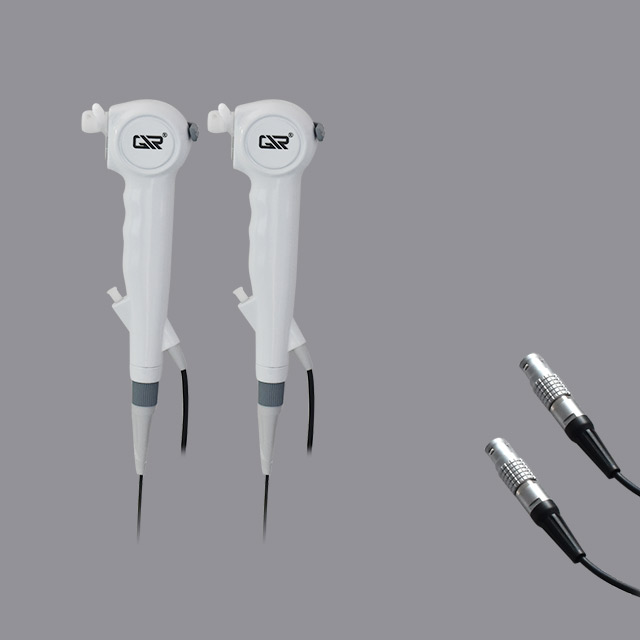
Industry watchdogs heavily scrutinize endoscope reprocessing methods today. Biofilm retention remains a critical danger for vulnerable patients. Biofilms are colonies of bacteria. They adhere tightly to internal channels. Traditional brushing often misses them entirely. They survive chemical baths easily. Reusable devices contain tiny, intricate working channels. Even rigorous cleaning protocols sometimes fail. They cannot always remove microscopic biological debris. Single-use devices guarantee absolute sterility out-of-the-box. They present zero risk of cross-contamination between patients. This factor alone heavily influences modern procurement decisions. Patient safety remains the ultimate priority.
Reusable scopes suffer inevitable performance degradation over time. Repeated sterilization cycles cause severe material fatigue. Surgeons often struggle against lost deflection capability. They cannot reach the lower renal pole effectively. Fiber optics and camera sensors degrade over months of heavy use. Conversely, a disposable flexible ureteroscope guarantees pristine performance every time. You get maximum deflection capability for every procedure. You experience optimal image quality from start to finish. The instrument feels brand new because it is brand new.
Current-generation disposable scopes utilize highly advanced digital CMOS sensors. These sophisticated chips provide incredible high-resolution visualization. Surgeons need precise imagery for complex stone management. They use it to navigate intricate renal anatomies safely. Clear digital imaging ensures highly accurate diagnostic procedures. It allows urologists to identify tiny mucosal abnormalities quickly. The visual fidelity matches or exceeds standard reusable models.
Immediate out-of-the-box sterility eliminates patient infection risks entirely.
Consistent 270-degree deflection improves difficult lower pole calyx access.
High-definition CMOS sensors replace outdated, fragile fiber-optic bundles.
Zero cumulative material wear guarantees reliable laser fiber advancement.
No risk of broken internal mechanisms during critical surgical moments.
Operating room time costs hospitals thousands of dollars per hour. Traditional reusable scopes often cause severe scheduling bottlenecks. Eliminating the wait time for scope reprocessing transforms department workflow. Operating room turnover becomes significantly faster. Staff clear the room quickly. They prepare for the next patient immediately. This speed increases daily case capacity. It drastically reduces expensive operating room downtime. You maximize your surgical schedule efficiently. Hospitals can treat more patients in a single day.
Inventory availability directly impacts daily scheduling. A single-use model ensures a sterile scope remains always ready. Emergency cases demand immediate surgical intervention. Obstructing ureteral stones require fast action. Surgeons no longer wait on central sterile processing department turnaround times. You simply grab a new package from the supply room. This eliminates delays during critical moments. Patient care happens exactly when needed. Nurses avoid frantically searching for available sterile instruments.
Ergonomics play a massive role during prolonged surgical procedures. Retrograde intrarenal surgery physically exhausts urologists. Disposable handles are remarkably lightweight. They lack heavy, cumbersome camera-head setups. Traditional equipment causes severe hand fatigue over time. This ergonomic design reduces physical strain significantly. Surgeons maintain precision during lengthy stone dustings. They experience less muscle fatigue at the end of their surgical day. Better ergonomics translate directly into better surgical outcomes.
Evaluating a new platform requires strict criteria. Procurement committees must act carefully. Surgeons must test specific clinical efficacy metrics first. They look for smooth 270-degree bidirectional deflection. They evaluate irrigation flow rates carefully. They test these rates while inserting various tools into the working channel. They also evaluate monitor compatibility and digital image latency. The device must perform flawlessly during active surgery. A poor evaluation leads to frustrated surgical staff.
Integration and physical footprint matter deeply. Teams must assess how the processing unit integrates. It should easily connect into existing operating room tower infrastructure. Minimizing equipment clutter keeps the operating room safe. It prevents tripping hazards and organizes the workspace. The cables should route cleanly away from the surgical field.
Supply chain resilience serves as another critical factor. Committees must evaluate the vendor's manufacturing capacity. Delivery reliability prevents disastrous surgical backorders. You must ensure consistent inventory deliveries. This prevents any disruption in daily surgical schedules. Ask your vendor about their historical delivery fulfillment rates. A reliable partner ensures you never cancel a surgery due to missing equipment.
Staff training requirements drop significantly under this model. Operating room nurses need minimal onboarding. Technicians simply learn how to plug in the device. They learn basic biohazard disposal methods. This contrasts sharply against traditional methods. Reusable scopes require rigorous, error-prone reprocessing training. You save countless administrative hours on staff education. New staff members integrate into the workflow much faster.
Evaluation Category |
Reusable Scope Baseline |
Single-Use Scope Paradigm |
|---|---|---|
Clinical Efficacy |
Variable performance degrades over its lifespan. |
Consistent, factory-new performance guaranteed every case. |
OR Integration |
Utilizes standard camera heads and tall towers. |
Requires a compact, dedicated processing unit. |
Supply Chain |
Relies heavily on internal SPD turnarounds and staffing. |
Depends entirely on consistent vendor delivery metrics. |
Staff Training |
Extensive, ongoing sterilization protocols required constantly. |
Simple plug-and-play setup and standard disposal. |
Infection Control |
High risk of biofilm retention if protocols fail. |
Zero risk of cross-contamination between patients. |
Transitioning to disposable technology introduces valid medical waste concerns. Hospitals worry about their growing environmental footprint. You must carefully evaluate vendor recycling programs. Compare the generated plastic waste against traditional methods. Reusable reprocessing requires hazardous chemicals. It also consumes hundreds of gallons of water annually. Both modalities carry distinct environmental impacts. Manufacturers increasingly break down used devices. They separate the plastics from the electronics. They recycle the CMOS sensors. They responsibly incinerate biological components. We encourage facilities to partner exclusively with eco-conscious vendors.
High-volume surgical centers face different financial realities. We must provide transparent assumptions here. Some ultra-high-volume centers operate highly optimized reprocessing programs. They experience very low scope damage rates. For them, strict per-case costs of single-use platforms might eventually exceed traditional models. You must analyze your own internal data carefully. Evaluate your monthly case volume accurately. Review your exact repair invoices from the past year. Do not rely on generic industry averages alone.
Physical storage space requires logistical planning. Warehousing a massive fleet of single-use scopes consumes valuable hospital space. Supply rooms must accommodate boxes of individually packaged units. Procurement teams must calculate exact par levels. This prevents over-ordering and optimizes shelf space. You might need to redesign your supply closets slightly. Work closely with inventory managers during the transition phase.
We recommend a strategic hybrid approach. It serves as a highly practical transition strategy. Use single-use scopes for high-risk or infected patients. Deploy them during highly complex lower-pole stone cases. Reserve reusable units for simple, standard procedures. This shortlisting logic maximizes clinical safety. It perfectly balances your operational budgets during the transition phase. It allows your staff to adapt slowly.
Audit your current monthly case volumes and damage rates thoroughly.
Identify high-risk procedures prone to causing severe scope damage.
Introduce disposable units exclusively for these complex surgical cases.
Train your staff on the new digital interface and workflow.
Gradually expand adoption as older reusable scopes permanently retire.
The single-use digital paradigm solves major clinical challenges. It is no longer a compromise on quality. It serves as a highly strategic alternative to outdated practices. It eliminates cross-contamination risks entirely. It also removes frustrating operational and safety bottlenecks. Operating rooms run smoother and faster. Surgeons experience less physical fatigue. Patients receive safer, more reliable care.
To move forward effectively, follow these actionable steps. Conduct a localized cost-benefit analysis based on your institution's specific repair history. Review internal infection rates carefully. Analyze your central sterile processing constraints. Audit your monthly case volume to determine baseline usage requirements. Finally, request a multi-week vendor trial. Gather hands-on surgeon feedback before finalizing any procurement decisions. Proper planning ensures a seamless, highly successful departmental transition.
A: Yes. Modern single-use scopes use advanced digital CMOS sensors. They offer comparable high-definition resolution to standard reusable digital scopes. This modern technology completely avoids the frustrating "honeycomb" effect seen in older fiber-optic models. Surgeons enjoy clear, bright, and highly detailed visual fields during every procedure.
A: Low-to-medium volume centers typically see immediate ROI. They eliminate massive capital outlays and sudden repair costs entirely. High-volume centers must carefully calculate their breakeven point. They balance bulk disposable purchasing discounts against their in-house reprocessing efficiency. Every hospital must analyze its specific data to find the optimal strategy.
A: Hospitals dispose of them according to standard biohazard protocols. However, leading manufacturers increasingly offer specialized take-back and recycling programs. These initiatives reclaim valuable internal electronics safely. They help mitigate the environmental impact of medical plastic waste. Ask your vendor about their specific sustainability initiatives.
A: No. Most single-use systems require their own proprietary processing unit. These units are typically very compact. They are specifically designed to plug directly into the hospital's existing external OR monitors. They use standard HDMI or DVI connections. You avoid replacing your expensive operating room screens.


