
 English

 English
Views: 0 Author: Site Editor Publish Time: 2025-07-28 Origin: Site


The rigid endoscope is a pivotal instrument in modern medical diagnostics and surgical procedures. Its ability to provide high-resolution images of internal body structures has revolutionized fields such as gastroenterology, otolaryngology, and urology. Understanding how a rigid endoscope works is essential for medical professionals who utilize this technology to enhance patient outcomes. This article delves into the intricate workings of rigid endoscopes, exploring their components, functionalities, and applications in various medical specialties.
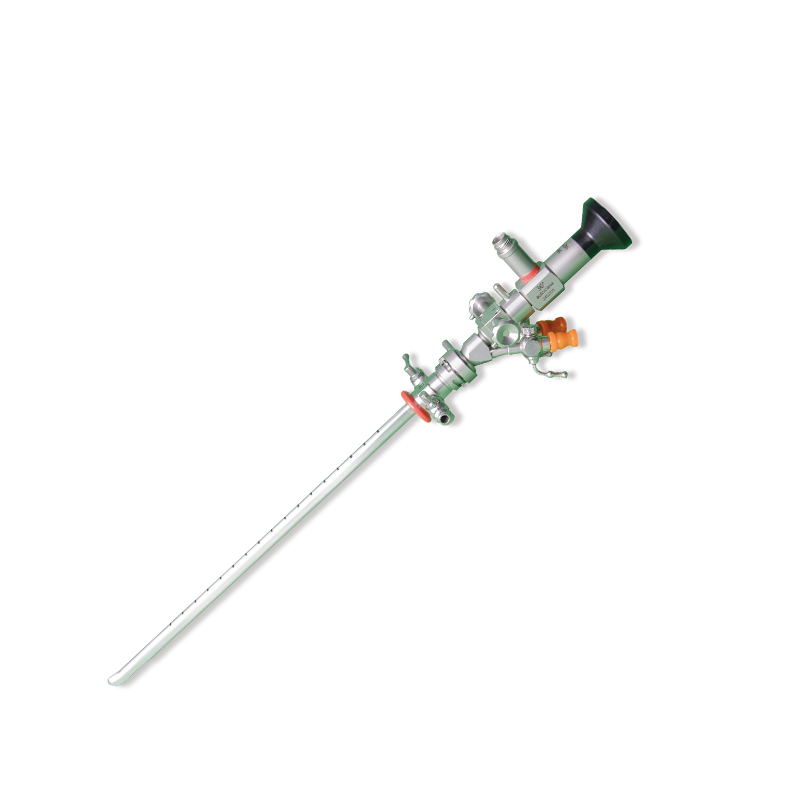 Basic Structure of a Rigid Endoscope
A rigid endoscope is comprised of a rigid tube that houses an optical system for visualization. The tube is constructed from durable, medical-grade materials to withstand sterilization processes. Inside the tube, a series of lenses relay light and images between the body cavity and the external viewing system. This optical assembly is crucial for transmitting high-quality images during diagnostic and surgical procedures.
The optical system in a rigid endoscope utilizes rod lenses arranged in a specific configuration to transmit images. These lenses are precisely aligned to minimize distortion and maximize light transmission. The use of rod lenses, as opposed to fiber optics in flexible endoscopes, allows for superior image clarity and brightness. This is particularly important in procedures where detailed visualization is critical.
Illumination is provided by an external light source connected to the endoscope via a fiber optic light guide. High-intensity light, often from xenon or LED sources, is essential for illuminating internal structures without causing tissue damage. The integration of advanced lighting technology enhances visibility, allowing clinicians to perform intricate procedures with greater precision.
Rigid endoscopes serve as both diagnostic and therapeutic tools. Their robust design allows for the insertion of surgical instruments through additional channels, facilitating minimally invasive surgeries. For instance, in laparoscopy, rigid endoscopes enable surgeons to operate within the abdominal cavity through small incisions, reducing patient recovery time and surgical risks.
In diagnostics, rigid endoscopes provide high-resolution images that aid in the identification of abnormalities such as tumors, ulcers, or foreign bodies. The clarity of the images allows for accurate assessments and biopsy procedures. Studies have shown that the use of rigid endoscopes improves diagnostic accuracy by up to 30% in certain specialties compared to traditional imaging techniques.
Therapeutically, rigid endoscopes facilitate a range of procedures, including polypectomies, stone removals, and tissue resections. Their design supports the integration of laser fibers, graspers, and scissors, expanding their utility in surgical interventions. The precision afforded by rigid endoscopy contributes to better patient outcomes and reduced complication rates.
Advancements in rigid endoscope technology have significantly enhanced their capabilities. The incorporation of 4K and 3D imaging systems provides surgeons with unprecedented visual detail. According to recent research, 3D endoscopic visualization improves depth perception and spatial orientation during surgery, leading to a 20% reduction in operative time.
Modern rigid endoscopes are often integrated with digital imaging systems that allow for image and video capture. This integration is vital for documentation, teaching, and telemedicine applications. The ability to record procedures enhances collaborative efforts and contributes to ongoing medical education.
The ergonomic design of current rigid endoscopes reduces operator fatigue and enhances maneuverability. Innovations such as lightweight materials and intuitive handle designs have been implemented based on feedback from medical professionals. These improvements contribute to increased efficiency and user satisfaction.
Proper sterilization of rigid endoscopes is crucial to prevent cross-contamination and infection. The instruments must withstand high-temperature autoclaving without degradation. Research indicates that adherence to strict sterilization protocols reduces post-operative infection rates by up to 15%. Maintenance involves regular inspection of optical components to ensure optimal performance.
Autoclaving involves subjecting the endoscope to pressurized steam at temperatures exceeding 121°C. This process effectively eliminates microbial life. Manufacturers of rigid endoscopes provide guidelines to ensure that the instruments are not damaged during sterilization. Compliance with these guidelines is essential for the longevity of the equipment.
Routine equipment checks involve assessing the integrity of the lens system and the mechanical components. Calibration of the optical system is necessary to maintain image clarity. Institutions often employ biomedical engineers to conduct these assessments, ensuring that the endoscopes remain in optimal working condition.
While both rigid and flexible endoscopes have their place in medical practice, rigid endoscopes offer specific advantages. The superior image quality and durability make them ideal for certain procedures. A study comparing the two types found that rigid endoscopes provided better visualization in arthroscopic surgeries, leading to improved surgical outcomes.
Rigid endoscopes are generally more durable due to their solid construction. This durability translates to a longer lifespan and, ultimately, cost savings for medical facilities. The initial investment in a high-quality rigid endoscope is offset by reduced repair and replacement costs over time.
The image quality of rigid endoscopes surpasses that of their flexible counterparts in many applications. The rigidity allows for the use of larger optical components, which enhances resolution and brightness. Precision in surgical procedures is paramount, and the clarity provided by rigid endoscopes supports this necessity.
Design InnovationsInnovations such as smaller diameter endoscopes and enhanced tip designs are being developed to mitigate discomfort and reduce risk. These advancements aim to expand the applicability of rigid endoscopes to a broader range of procedures while maintaining their inherent advantages in image quality and durability.
The future of rigid endoscopy is promising, with ongoing research focusing on enhancing functionality and patient safety. Developments in robotic-assisted endoscopy and artificial intelligence are set to revolutionize the field. These innovations hold the potential to further improve surgical outcomes and expand the capabilities of rigid endoscopes.
Understanding how a rigid endoscope works is fundamental for medical professionals engaged in endoscopic procedures. The device's intricate optical system, durable construction, and versatility make it indispensable in modern medicine. While challenges exist, ongoing technological advancements and enhanced training methodologies continue to expand its applications. The rigid endoscope remains a cornerstone instrument, significantly contributing to improved patient care and surgical outcomes.


