


loading


loading
| Availability: | |
|---|---|
| Quantity: | |
GEIWRE


Urological Surgery: Transurethral Resection of the Prostate (TURP) for benign prostatic hyperplasia (BPH), transurethral resection of bladder tumors (TURBT), and treatment of urethral strictures or bladder stones.
Gynecological Surgery: Resection of uterine fibroids, endometrial ablation for abnormal uterine bleeding, and treatment of cervical lesions or vaginal cysts.
Other Specialized Procedures: Minimally invasive tissue resection in selected cases of pelvic floor dysfunction and genital tract malformations.
Enhanced Surgical Safety: Eliminates the risk of "grounding errors" and unintended thermal injury, reducing operative complications such as tissue necrosis, bleeding, and infection by up to 40% compared to monopolar alternatives (based on clinical data from leading urological centers). It enables resection with normal saline, significantly lowering the risk of Transurethral Resection (TUR) syndrome—a critical safety upgrade for urological procedures. Additionally, its minimal tissue penetrability remarkably reduces obturator nerve stimulation, while the reduced depth of tissue denaturation and minimized carbonization further prevent damage to surrounding tissues.
Superior Precision & Optimal Efficiency: The localized energy field, combined with precisely concentrated current, enables surgeons to dissect delicate tissues with submillimeter accuracy, ensuring meticulous control over every cutting step. While maintaining the safest current parameters, it delivers exceptional cutting efficiency, balancing safety and operational performance perfectly. This precision preserves critical structures (e.g., erectile nerves in prostate surgery) and improves post-operative quality of life.
Optimized Workflow: Rapid hemostasis reduces operative time by 20-30% on average; the irrigation/aspiration system maintains clear surgical视野 (visual field) by removing smoke and debris in real time.
Patient-Centric Benefits: Minimized tissue trauma translates to shorter hospital stays (often 1-2 days vs. 3-5 days for traditional surgery), less post-operative pain, faster urinary continence recovery, and lower readmission rates.
Versatility & Compatibility: Compatible with various endoscope brands and supports both reusable and single-use components, adapting to different hospital infection control protocols and surgical preferences.
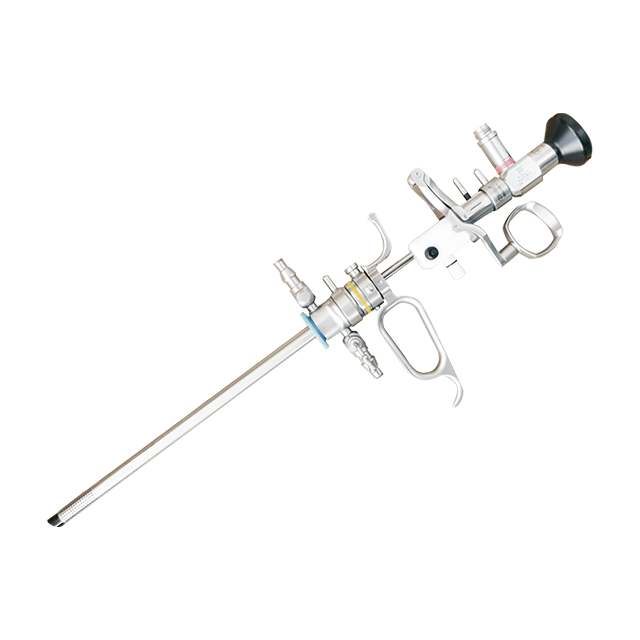
Endoscope body: including objective lens system, optical transmission/image transfer system, light fiber, etc., used to acquire and transmit images so that the doctor can observe the inside of the ureter.
Working channel: used to insert various therapeutic instruments, such as lithotriptic instruments, lithotomy forceps, biopsy forceps, etc., in order to perform corresponding therapeutic operations.
Operating lever: connects the main body and the handle, and is used to control the movement and operation of the mirror body. The doctor can adjust the Angle and direction of the mirror body through the operating lever, so that the doctor can better observe and treat the diseased part.
Handle: It is the part that the doctor holds and operates. It is usually equipped with various function buttons to facilitate the doctor to perform various operations during the operation.
1. What is an autoclavable rigid ureteroscope?
An autoclavable rigid ureteroscope is a high-precision medical instrument used for diagnosing and treating urinary tract conditions. It is designed to withstand high-temperature sterilization in an autoclave, making it reusable and cost-effective.
2. Is this ureteroscope reusable?
Yes, this rigid ureteroscope is made from durable materials (such as medical-grade stainless steel) and can be sterilized multiple times, allowing for repeated use in clinical settings.
3. How should the ureteroscope be sterilized?
The device is compatible with autoclave sterilization (steam sterilization at 121°C–134°C for 15–30 minutes). Follow the manufacturer’s guidelines for optimal sterilization parameters.
4. Can it be disinfected with chemical sterilants?
While autoclaving is the preferred method, some chemical sterilants (e.g., ethylene oxide or hydrogen peroxideplasma) may be used if autoclaving is unavailable. Always check the manufacturer’s recommendations before using alternative sterilization methods.
5. How many sterilization cycles can it endure?
The ureteroscope is designed for long-term use, typically enduring hundreds of sterilization cycles if handledproperly. Regular inspection for wear and damage is recommended.
6. How should the ureteroscope be stored after sterilization?
Store in a clean, dry, and dust-free environment, preferably in a sterile pouch or container to maintain sterility until the next use.
7. What are the key advantages of an autoclavable rigid ureteroscope?
Cost-effective (reusable, reducing long-term expenses)
Eco-friendly (minimizes medical waste compared to single-use alternatives)
High durability (withstands repeated sterilization)
Reliable sterility (autoclaving ensures complete pathogen elimination)
8. How do I check for damage or wear?
Before each use, inspect:
Optical clarity (ensure no scratches or fogging)
Structural integrity (check for bends, cracks, or loose components)
Movement of controls (ensure smooth operation of deflection mechanisms, if applicable)
9. Can the ureteroscope be repaired if damaged?
Yes, many manufacturers offer repair and refurbishment services for rigid ureteroscopes. Contact the supplier for servicing options.
10. Where can I purchase replacement parts?
Replacement parts (e.g., light cables, seals, or lenses) are typically available through the original manufacturer or authorized distributors.
11. Is training required to use this ureteroscope?
Yes, proper training in handling, sterilization, and operation is essential to ensure patient safety and prolong the device’s lifespan.
12. What is the typical warranty period?
Warranty terms vary by manufacturer but generally cover 1–2 years for defects in materials or workmanship (not including damage from improper use).


