


Views: 0 Author: Site Editor Publish Time: 2025-11-27 Origin: Site


The upper gastrointestinal (GI) tract, which includes the esophagus, stomach, and duodenum, plays a crucial role in the body’s digestive system. When something goes wrong in this area, it can lead to a variety of symptoms such as abdominal pain, chronic heartburn, difficulty swallowing, nausea, or even vomiting blood. While many of these symptoms are common and may be caused by something as simple as indigestion, they can also be indicative of more serious underlying conditions. To identify the root cause of these problems, doctors often turn to diagnostic gastroscopy.
Gastroscopy, also known as upper endoscopy or esophagogastroduodenoscopy (EGD), is a diagnostic procedure that uses a flexible tube with a camera (called an endoscope) to view the inside of the upper GI tract. This procedure allows doctors to observe any abnormalities or diseases in the esophagus, stomach, and duodenum in real time, making it a valuable tool for diagnosing various conditions and guiding treatment decisions.
In this article, we will explore the power of diagnostic gastroscopy as a tool for detecting upper GI tract diseases, its benefits, and the conditions it can help diagnose. We will also walk you through what to expect during the procedure, its potential risks, and why it’s such a significant advancement in gastrointestinal care.
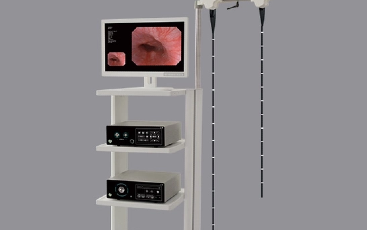
Diagnostic gastroscopy is a procedure that allows healthcare providers to examine the upper gastrointestinal tract. The procedure involves the use of a gastroscope, which is a long, flexible tube with a light and a camera at the tip. This device is inserted through the mouth and passed into the esophagus, stomach, and duodenum, enabling the physician to directly visualize the lining of these organs.
The primary purpose of diagnostic gastroscopy is to identify abnormalities in the upper GI tract, such as inflammation, ulcers, tumors, infections, or bleeding. It is an essential tool for diagnosing a range of gastrointestinal conditions and plays a key role in early detection and treatment.
The upper GI tract is critical for the digestive process, but because it is not easily visible through standard imaging methods like X-rays or CT scans, it can be difficult to diagnose problems in this area. Diagnostic gastroscopy provides a direct, real-time view of the inside of the GI tract, offering several advantages over other diagnostic methods.
The ability to see the actual lining of the esophagus, stomach, and duodenum in real-time allows the doctor to make an accurate diagnosis. This is especially important for detecting conditions like ulcers, gastritis, and esophageal cancer, which may not be clearly visible on other imaging tests.
During the procedure, the doctor can take tissue samples (biopsies) from any abnormal areas for further analysis. This is particularly useful for diagnosing conditions like Helicobacter pylori infections, gastric cancer, or inflammatory bowel disease (IBD). Biopsies are often essential for confirming a diagnosis and determining the appropriate treatment.
In addition to its diagnostic value, gastroscopy also has therapeutic uses. For instance, the doctor can treat certain conditions during the procedure, such as:
Controlling bleeding: If there is active bleeding from an ulcer or varices, the doctor can stop the bleeding using the gastroscope by applying clips or cauterizing the area.
Removing polyps: If a polyp (a small growth) is detected, it can be removed during the procedure, reducing the risk of cancer in the future.
Dilation of strictures: If there are narrow areas in the esophagus or stomach, the doctor can use the endoscope to widen these areas, improving swallowing and digestion.
Gastroscopy is an invaluable tool for detecting diseases in their early stages, when they are easier to treat. For example, it is often used to detect esophageal cancer, gastric cancer, and Barrett's esophagus (a condition that can lead to esophageal cancer if left untreated). Early detection can greatly improve the effectiveness of treatment and the patient’s prognosis.
Diagnostic gastroscopy can help identify a wide range of conditions affecting the upper GI tract. Below are some of the most common diseases and disorders diagnosed with this procedure:
Gastritis refers to inflammation of the stomach lining, which can be caused by factors like infections, stress, excessive alcohol consumption, or the use of nonsteroidal anti-inflammatory drugs (NSAIDs). Symptoms include upper abdominal pain, nausea, and vomiting. Gastroscopy allows doctors to observe the degree of inflammation and take biopsies to test for bacterial infections like Helicobacter pylori.
Peptic ulcers are open sores that develop on the inner lining of the stomach or the duodenum. They are often caused by H. pylori infection or the long-term use of NSAIDs. Gastroscopy helps doctors visualize ulcers, assess their size, and determine if they are actively bleeding.
GERD occurs when stomach acid repeatedly flows back into the esophagus, causing symptoms like heartburn, regurgitation, and chest pain. Over time, untreated GERD can lead to esophageal ulcers, strictures, and Barrett’s esophagus. Gastroscopy allows the doctor to check for damage to the esophagus and stomach lining and evaluate the severity of the disease.
Esophageal cancer can be difficult to detect in its early stages because its symptoms, such as difficulty swallowing, heartburn, and weight loss, are often mistaken for other less serious conditions. Gastroscopy is an effective method for visualizing the esophagus and identifying any abnormal growths or lesions that could indicate cancer.
Barrett's esophagus is a condition in which the cells lining the esophagus undergo changes due to long-term acid reflux. These changes increase the risk of developing esophageal cancer. Gastroscopy is used to examine the esophagus for signs of Barrett’s esophagus, and biopsies are often taken to assess the degree of cell changes.
Celiac disease is an autoimmune disorder that causes damage to the small intestine when gluten is consumed. Symptoms can include diarrhea, weight loss, and abdominal pain. Gastroscopy can help identify signs of damage to the small intestine lining, and biopsies can confirm the diagnosis.
If a patient has difficulty swallowing, it may be caused by a stricture (narrowing) of the esophagus, achalasia (a condition where the esophagus has trouble moving food into the stomach), or esophageal cancer. Gastroscopy allows the doctor to identify the cause of swallowing difficulties and determine the best course of treatment.
While the thought of having a gastroscopy can be intimidating, it is a relatively quick and simple procedure. Here’s what you can expect during the process:
Preparation: You will need to fast for 6-8 hours before the procedure to ensure your stomach is empty.
Sedation: The procedure is usually done under sedation to make you comfortable. Most people feel relaxed and drowsy during the procedure.
The Procedure: A flexible tube with a camera (the gastroscope) will be inserted through your mouth and passed into your upper GI tract. The procedure typically lasts between 15-30 minutes.
Post-Procedure: After the procedure, you will be monitored for a short time while the sedative wears off. It’s normal to feel mild discomfort, such as a sore throat or bloating, which usually goes away within a few hours.
While gastroscopy is generally safe, like any medical procedure, it carries some risks. These include:
Perforation (a tear in the GI tract)
Bleeding (especially if biopsies are taken)
Infection
Adverse reaction to sedation
However, serious complications are rare, and the benefits of the procedure typically outweigh the risks.
Diagnostic gastroscopy is an invaluable tool in the detection and treatment of various upper gastrointestinal diseases. By providing direct visualization of the esophagus, stomach, and duodenum, it allows for accurate diagnoses and early detection of potentially life-threatening conditions. Whether it’s used to diagnose gastritis, ulcers, esophageal cancer, or GERD, gastroscopy offers physicians the ability to investigate and treat upper GI tract issues with a high degree of precision.
For healthcare professionals seeking high-quality diagnostic gastroscope systems, Xuzhou Hengjia Electronic Technology Co., Ltd. offers advanced, reliable solutions. Their products are designed to meet the needs of modern medical practices, providing superior image quality, durability, and ease of use, ensuring that doctors can make accurate diagnoses and deliver effective care for their patients.


